How To Treat An Allergic Reaction To A Skincare Product is a valuable skill to have as a user of skincare products. Even the products of the high quality of ingredients might not be suitable to all the types of skin. In some instances a reaction occurs due to your skin being sensitive to a given ingredient and in other scenarios it occurs when the active ingredients are combined in excess quantities. A light skin care routine with the right products like Suganda Skincare can be used to take care of the skin and recover even after the irritation has decreased.
The majority of the reactions of skincare are mild and can be healed through appropriate care. The most valuable steps to restore the natural balance of your skin is to recognize the initial symptoms, discontinue using the product that introduced an issue to your skin, and to give your skin time to recover.
Understanding an Allergic Reaction to Skincare Products
An allergic reaction happens when your immune system reacts to an ingredient that it considers harmful. Despite the fact that most skincare products are intended as gentle, each designated skin is individual. What is effective in one person, might be reddening or irritating in another.
Ordinarily typical activators are perfumes and conservatives, essential oils, colorants, and some of the active components. In others, the combination of multiple strong products can lead to weakening the skin barrier and leave the skin more prone to acceptability than normal.
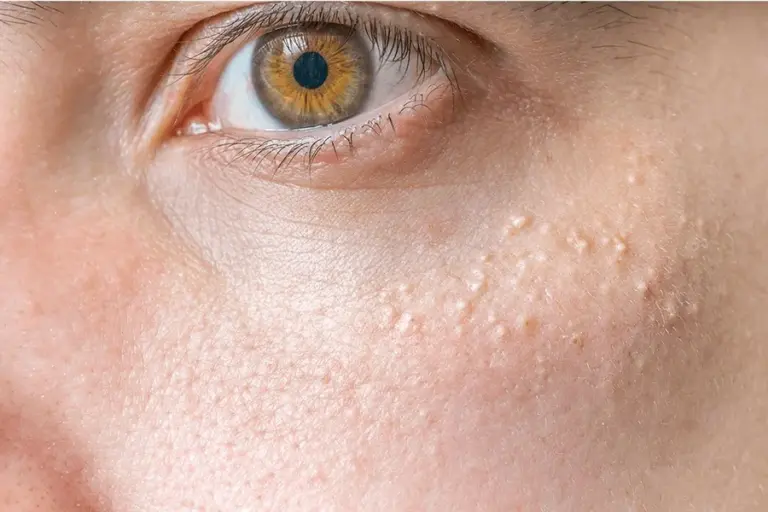
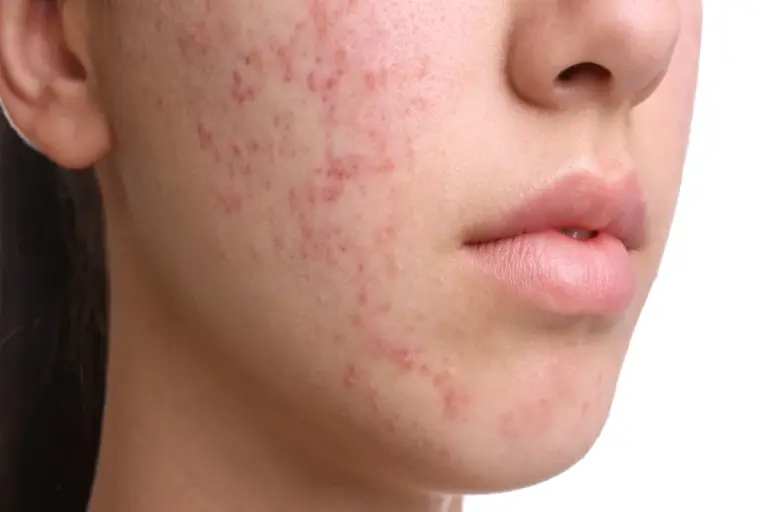
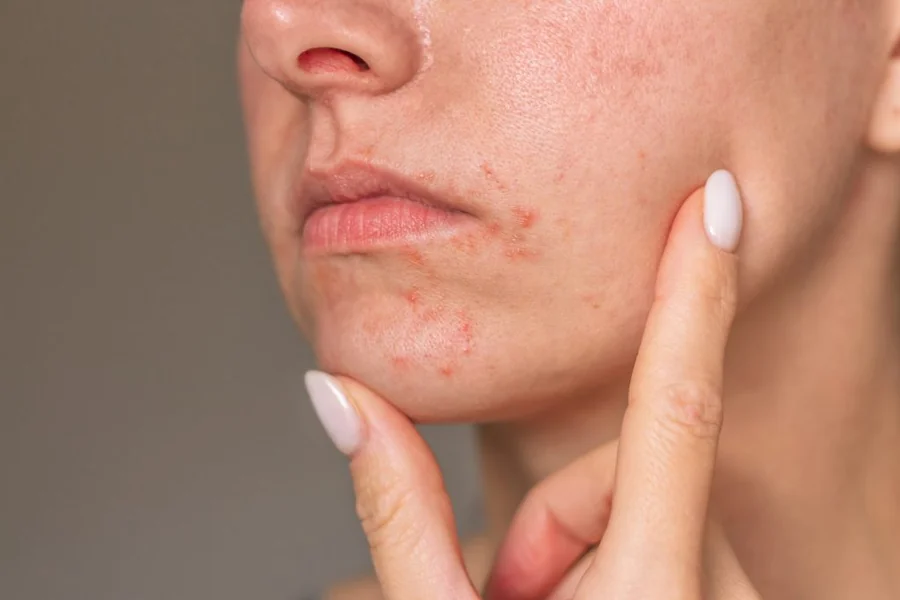
Symptoms may occur as soon as a product is applied or they can manifest a few hours afterwards. You might experience redness, itchiness, swelling, burning, dryness, tenderness or small rashes. In case of the reaction being severe or in case it is coupled with difficulty breathing, or even swelling in the face and throat, make emergency medical care as soon as possible.
By learning to pay attention to these symptoms at an early stage, you will be able to react to them before irritation escalates.
The First Steps to Calm Your Skin
You should discontinue the use of a skincare product in case you think that it has triggered an allergic reaction. Further use of the product can further aggravate and slow down recovery.
Wipe the affected area with a soft stream of lukewarm water to get rid of it. Hot water should also be avoided as it can aggravate the inflammation and make the skin even more uncomfortable. The skin should not be scrubbed or exfoliating products used during the recovery process as well.
Keep your skincare as minimal as you can at this time. Until your skin feels normal again, a mild cleanser and a fragrance-free moisturizer and sunscreen are usually sufficient during the day.
Even though it can be tempting to use various calming products, it is generally safe to leave your skin to rest on its own.
How Suganda Skincare Can Fit into Your Routine
After your skin is completely healed, you can slowly resume your skincare regime. Suganda Skincare is the company that provides us with the products that people are ready to buy due to their considerate formulations and skin-friendly ingredients. Nevertheless, all new skincare items must be presented only cautiously, irrespective of the brand.
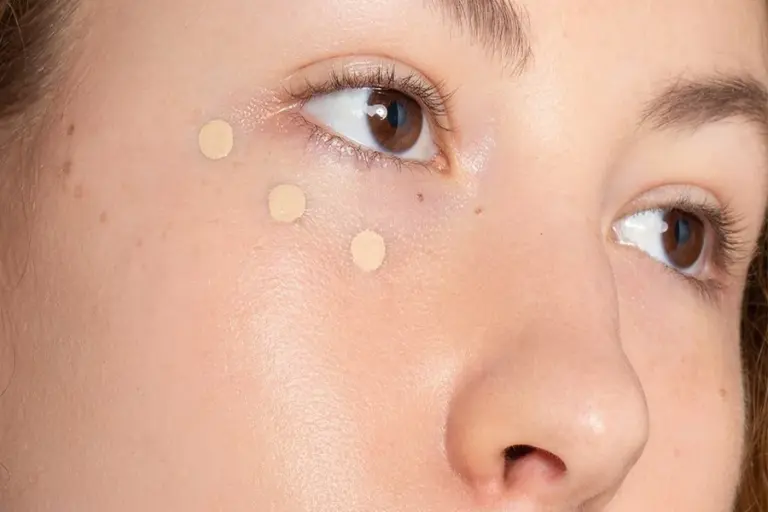
Conduct a patch test on a little patch of skin before applying a new product on your whole face. Wait at least 24-48 hours to observe any redness, itching, or irritation. This easy practice will assist you in realizing potential sensitivities before they will influence a bigger region.
The fact that it is also much easier to conclude on the product that is triggering the reaction in case irritation arises in future with the addition of the product individually also helps.
Simplifying the habit and opting not to use several active ingredients at once is usually beneficial to producing a healthier skin barrier.
Supporting Skin Recovery After a Reaction
It takes time before your skin barrier can fix itself once an allergic reaction has taken place. Hydration and gentle treatment should be the focus during this period rather than intensive treatments.
Applying a moisturizer on a regular basis can also help lessen skin dryness and enhance the natural skin defense mechanism. Properly hydrated skin tends to be more comfortable and recovers faster.
You should also ensure that you do not use harsh exfoliants, alcohol-based toners, strong acids, retinoids or physical scrubs until your skin is fully healed. The products have the ability to add sensitivity in case they are released early.
Another step that is important is sun protection. Sensitive skin is normally more susceptible to ultraviolet radiations and therefore a broad-spectrum sunscreen applied every morning aids in preventing further irritation and assists in the healing process.
One of the best aspects of recovery is patience. Giving your skin time to rest can work wonders, as opposed to trying various products in a short amount of time.
Preventing Future Allergic Reactions
Although allergic reactions cannot always be avoided, certain habits can greatly reduce the risk.
Never buy a new skin-care product without reading the list of ingredients, particularly, when you know that there are some ingredients you are sensitive to. Presenting a single new production is much simpler to determine the origin of any unforeseen response.
Patch testing has to be a part of any skincare routine, even when the products of the brands trusted are used. Skin alters as time passes, and what used to work on the skin sometimes may lead to sensitivity in the future.
Purchasing products at legitimate retailers will also assist in assuring yourself of the real skincare products put in the right conditions.
A healthy routine of light cleansing, consistent moisturizing, and sunscreen on a daily basis can fortify the skin barrier and strengthen your skin in the long run.
Read More: How to Stay Healthy While Working From Home
Final Thought
The following article: What To Do to an Allergic Reaction of a Skincare Product can be useful to act promptly and avoid additional irritation of your skin. The best strategy is to cease using the questionable product, minimize on your skincare, regularly moisturize your skin, and provide your skin with some time to recuperate.
When your skin is healed, slowly incorporating products like Suganda Skincare into your routine, with the use of patch tests to check the reaction, will allow minimizing the chances of future flare-ups. Also, keep in mind that healthy skin is not constructed, but based on consistency.
The best ways to contribute to long-term skin health include listening to your skin, selecting carefully, and having a light daily routine.
FAQs
Is it normal to have an allergic reaction to a skincare product?
Yes. Even well-formulated skincare products may cause allergic reactions in some people because every person’s skin responds differently to ingredients.
How long does a mild allergic reaction usually last?
Many mild reactions begin improving within a few days after the product is discontinued, although recovery time varies depending on the individual.
Should I stop all skincare products during a reaction?
It is usually best to keep your routine simple by using only a gentle cleanser, a moisturizer, and sunscreen if your skin can comfortably tolerate them.
Can I use Suganda Skincare after my skin heals?
Yes. Once your skin has recovered, you can gradually introduce Suganda Skincare products. Performing a patch test first is always recommended.
How can I prevent future allergic reactions?
Reading ingredient lists, introducing one new product at a time, patch testing every product, and maintaining a gentle skincare routine can help reduce the risk.
When should I see a doctor?
You should seek medical advice if your symptoms become severe, continue to worsen, spread rapidly, or are accompanied by swelling around the face or difficulty breathing.