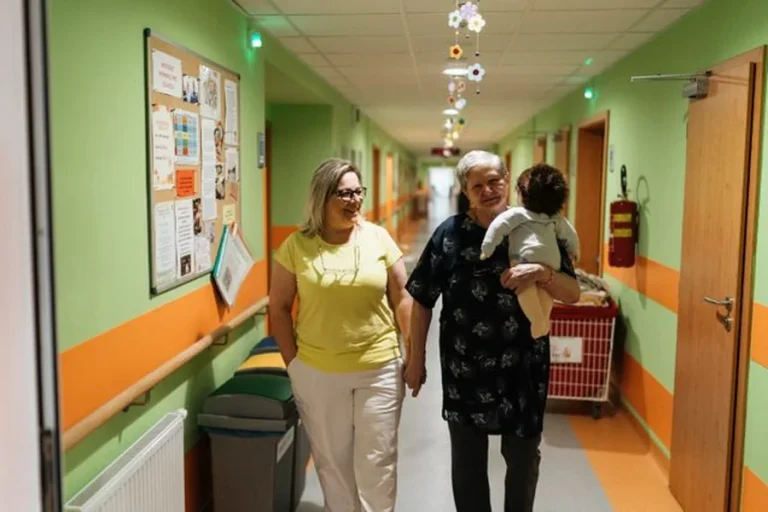
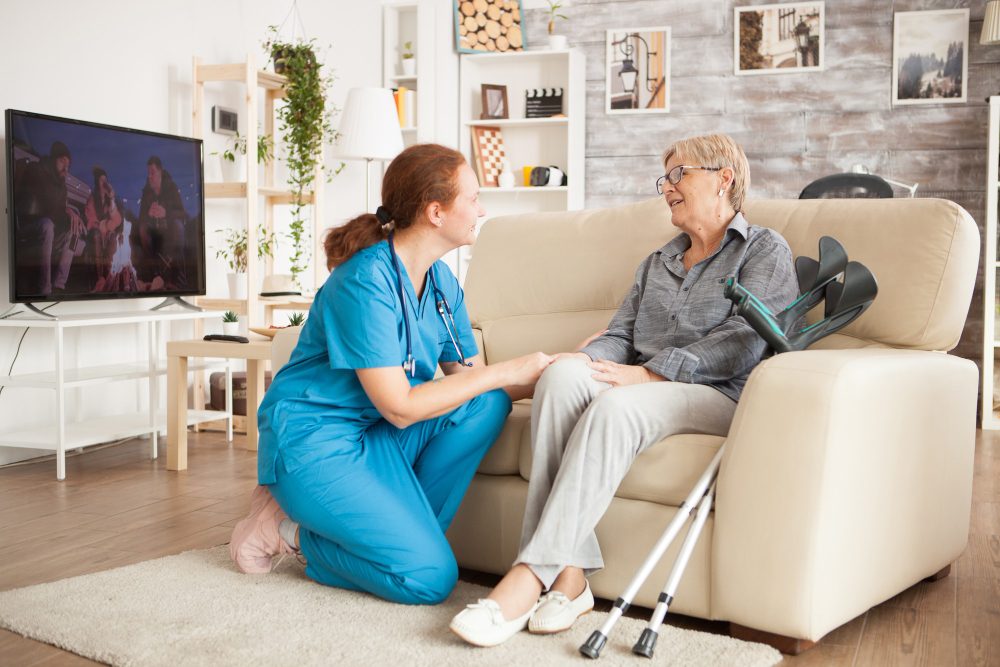
Families often worry about what happens when an older parent or loved one starts spending more time alone. A move to a new home can bring many changes, but one of the biggest concerns is social isolation. Assisted Living in British Columbia can help reduce this risk by giving seniors regular chances to meet people, join activities, share meals, and stay connected with others.
For families, the benefit goes beyond having support with everyday needs. A senior who lives alone may have fewer chances to talk with friends, take part in activities, or leave the house. In an assisted living community, social contact can become part of the regular routine. Familiar faces, group activities, family visits, and shared spaces can give older adults more opportunities to build relationships and feel connected.
Regular Social Interaction Becomes Part of the Routine
Living alone can make social contact less frequent. A senior may spend much of the day at home, especially when driving becomes difficult or physical limitations make going out harder. Over time, fewer opportunities to talk with friends, neighbours, or family can lead to a smaller social network.
Assisted living creates more natural opportunities for interaction. Residents may see the same people at meals, activities, common areas, and community events. These repeated encounters can make conversations easier and help residents become familiar with the people around them.
Shared Meals Create Opportunities for Connection
Mealtimes can offer more than food and nutrition. They give residents a chance to sit with others, talk about their interests, and develop friendships. A shared dining setting can also create a sense of routine for someone who previously ate most meals alone.
These simple conversations can matter. A resident may talk about family, hobbies, past experiences, or plans for the week. Over time, these small interactions can become meaningful relationships.
Group Activities Help Seniors Meet People
Assisted living communities often provide activities based on different interests and abilities. These may include exercise sessions, games, music, arts and crafts, educational programs, celebrations, and group outings.
Activities give residents a reason to leave their suites and spend time with others. They can also make it easier for someone who feels shy or unsure about starting a conversation to meet people. A shared interest provides a natural starting point for friendship.
Social activities can also support a sense of belonging. Canadian research has found that older adults with a low sense of belonging to their local community have a higher risk of loneliness. The same research suggests that accessible social activities can help increase social relationships and informal support networks.
Support Can Make Social Participation Easier
Health and mobility changes can make social participation harder. A senior may want to attend an event but struggle with transportation, walking long distances, or managing certain everyday tasks. These barriers can gradually reduce contact with friends and community groups.
Assisted Living in British Columbia can reduce some of these barriers by bringing housing, support, meals, and social opportunities into one setting. Residents do not always need to travel far to find an activity or meet another person. This can make social participation more practical for seniors who need some support but still want an active social life.
Family Connections Still Matter
Moving into assisted living does not mean family relationships become less important. In fact, a senior living in a community may have more opportunities to share experiences with family members. Relatives can visit, join celebrations, share meals, or take part in activities when the community allows it.
Staff can also help families stay aware of activities and events that may interest their loved one. Regular family contact, combined with friendships inside the community, can give seniors more than one source of social support.
Seniors Can Build Friendships at Their Own Pace
Not every senior wants a busy social calendar. Some people prefer quiet conversations or smaller groups rather than large events. Good senior living communities can offer different ways to connect, allowing residents to decide how much social activity feels comfortable.
This matters because social connection should not mean forcing someone into activities. A short conversation over coffee, a shared hobby, or sitting with another resident at lunch may be enough to create a connection. Over time, familiar faces can become trusted friends.
Social Connection Supports Quality of Life
Social participation is linked with better health and well-being among older adults. Canadian public health research has found that social participation, including leisure activities, volunteering, and socializing, is associated with better health among seniors.
Assisted living cannot prevent loneliness for every resident. A person may still feel lonely even when surrounded by other people. However, a supportive community can create more opportunities for connection and make it easier for seniors to take part in social life.
For families considering Assisted Living in British Columbia, social connection should be one part of the decision. Ask about group activities, shared dining, outings, resident clubs, family events, and opportunities for residents to form friendships. The right community can give seniors a comfortable place to live while also creating more chances to talk, participate, and feel connected.