What does it truly mean to help someone maintain their dignity and independence when memory loss affects everyday life? For individuals living with Alzheimer’s disease, dementia, and other cognitive conditions, specialized memory care offers support that goes beyond basic assistance. Modern memory care communities focus on safety, engagement, personalized support, and meaningful relationships, helping residents experience comfort, purpose, and quality of life throughout their journey.
1. Understanding Memory Care as a Person-Centered Approach
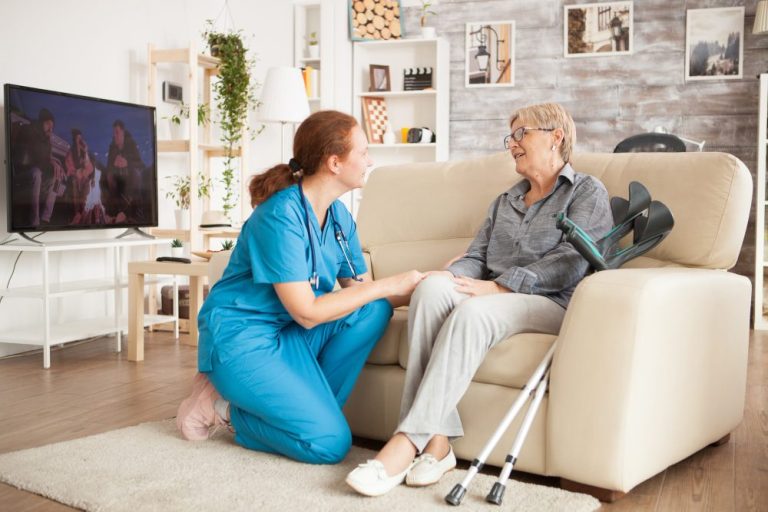
Memory care differs from traditional care settings because it focuses on the whole person rather than solely on cognitive symptoms. Specialized memory care communities recognize that memory loss affects daily routines, communication, emotional well-being, relationships, and confidence.
Team members receive specialized dementia training that helps them understand the unique challenges residents experience. This enables them to communicate with patience, respond thoughtfully to changing needs, and create positive experiences throughout the day.
By focusing on the individual’s strengths, preferences, and personal history, memory care programs help residents maintain a sense of identity while receiving the support they need.
2. Creating Supportive Physical Environments
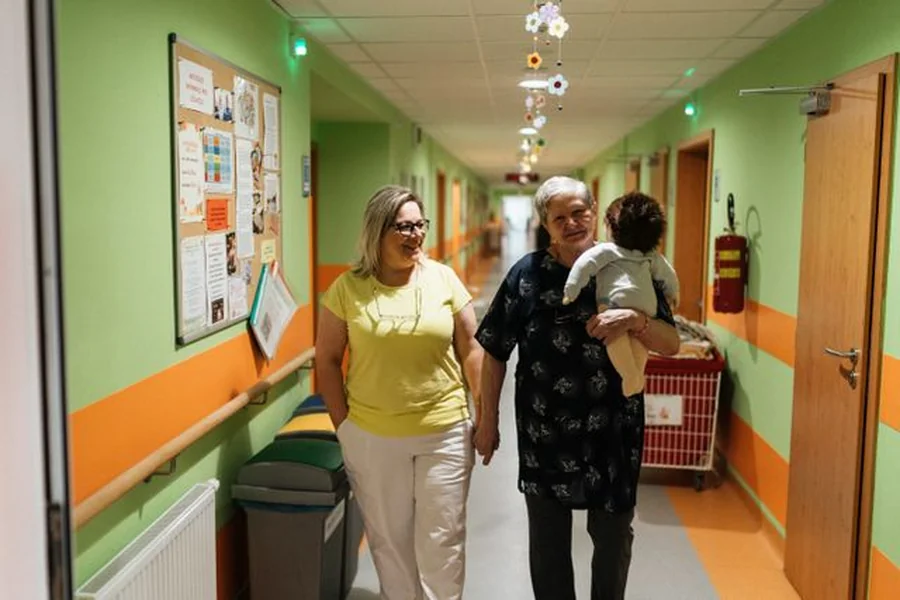
The environment plays an important role in helping residents feel comfortable and secure. Modern memory care neighborhoods are intentionally designed to reduce confusion and encourage confidence while supporting safety.
These thoughtfully designed environments can help reduce stress and provide residents with opportunities to remain engaged in daily life. Access to safe outdoor spaces is especially valuable, allowing residents to enjoy fresh air, movement, and nature in a secure setting.
3. Supporting Meaningful Daily Routines and Activities
Purposeful engagement is a cornerstone of quality memory care. Daily programs are often tailored to residents’ interests, abilities, and life experiences rather than following a standardized approach.
Many memory care communities emphasize routines because familiarity can provide comfort and stability. Structured schedules help residents know what to expect throughout the day, which may reduce anxiety and encourage participation.
For families seeking a personalized and engagement-focused approach, SHINE® Memory Care in Trinity, FL offers Memory Care programming designed to provide meaningful daily experiences, individualized support, and opportunities for residents to remain engaged according to their unique interests and abilities.
4. Strengthening Family Connections
Memory loss affects the entire family, not only the person receiving support. Modern memory care communities recognize the importance of maintaining strong family relationships and often encourage ongoing involvement.
Many communities provide:
- Regular communication with families
- Care planning meetings
- Educational resources about dementia
- Family support groups
- Community events and celebrations
- Opportunities for family participation in activities
These resources help families remain informed, involved, and connected. Professional guidance can also help family members better understand the changes associated with dementia and develop communication strategies that support meaningful interactions.
Memory care is most effective when families and community team members work together as partners in supporting the resident’s well-being.
5. Providing Specialized Health and Wellness Support
Individuals living with memory loss often require additional assistance with medication management, nutrition, wellness monitoring, and coordination of healthcare services. Specialized memory care professionals are trained to recognize subtle changes that may indicate a health concern.
Residents may benefit from:
- Medication management support
- Wellness monitoring
- Assistance with daily routines
- Nutritional support
- Collaboration with healthcare providers
- Ongoing observation of physical and cognitive changes
Because some individuals may have difficulty communicating discomfort or symptoms, trained team members play an important role in identifying concerns and helping residents receive appropriate support promptly.
6. Preserving Dignity, Choice, and Independence
A central goal of quality memory care is preserving dignity while promoting as much independence as possible. Even when support is needed, residents should continue to have opportunities to make choices about their daily lives.
Examples may include selecting:
- Clothing and personal belongings
- Meal preferences
- Activities and programs
- Daily routines whenever possible
Person-centered care recognizes that individuals are much more than a diagnosis. Residents bring unique life experiences, relationships, achievements, and interests that deserve recognition and respect.
Memory care communities often use personal history information, family stories, photographs, and preference profiles to better understand each resident and create more meaningful interactions. This approach helps preserve a sense of self while supporting overall well-being.
Conclusion
Specialized memory care helps improve quality of life by combining personalized support, thoughtfully designed environments, meaningful daily engagement, wellness oversight, family collaboration, and a strong commitment to dignity. Rather than focusing solely on the challenges of cognitive decline, modern memory care communities emphasize residents’ strengths, preferences, and opportunities for connection.
When families evaluate memory care options, they should look for communities that provide individualized programming, specialized team member training, engaging daily experiences, and strong family partnerships. These elements work together to create an environment where residents can experience comfort, purpose, safety, and meaningful moments throughout each stage of their journey.