Fiber rarely gets the spotlight that protein or vitamins do, yet it plays a central role in digestion, heart health, and long-term wellness. Most people fall short of daily fiber recommendations without realizing it. Here’s a closer look at which foods deliver the most fiber and why it matters.
What Is Dietary Fiber?
Fiber is a type of carbohydrate the body can’t fully digest. It comes in two main forms, and most fiber-rich foods contain a mix of both.
Soluble Fiber
Dissolves in water to form a gel-like substance. It helps slow digestion and can support healthy cholesterol and blood sugar levels. Found in oats, beans, apples, and citrus fruits.
Insoluble Fiber
Adds bulk to stool and helps food move through the digestive system more efficiently. Found in whole grains, nuts, and vegetable skins.
Top Fiber-Rich Foods
Legumes
Beans, lentils, and chickpeas are among the most concentrated fiber sources available. A single cup of cooked lentils provides roughly 15 grams of fiber — more than half the daily recommendation for most adults.
Whole Grains
- Oats
- Quinoa
- Brown rice
- Barley
- Whole wheat products
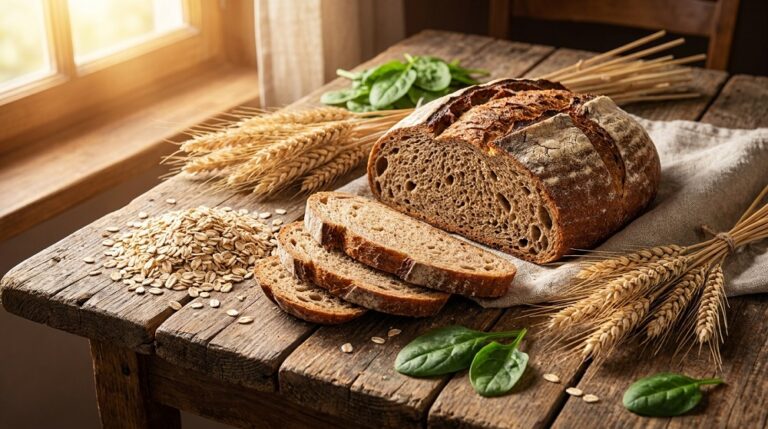
Choosing whole grains over refined versions retains the bran and germ layers, where most of the fiber resides.
Fruits
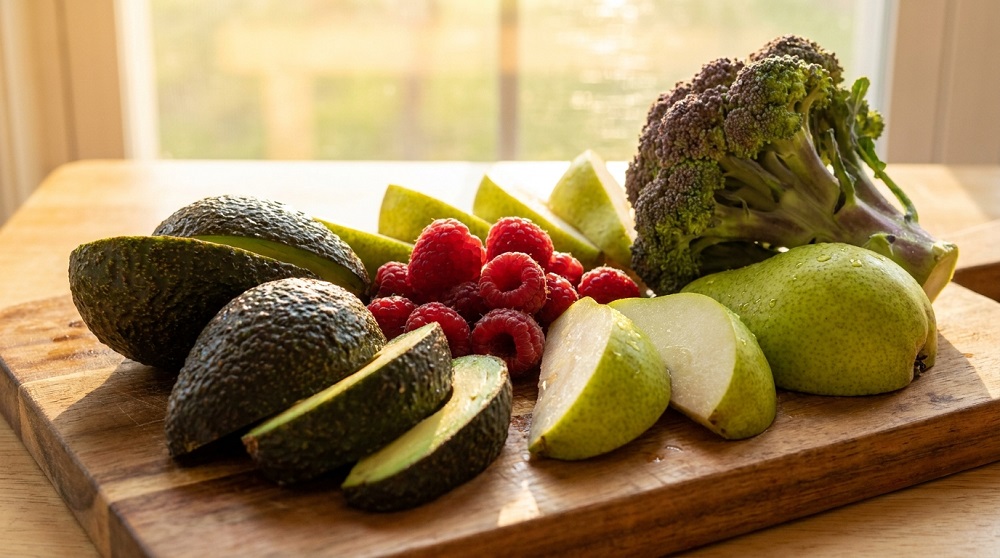
- Raspberries and blackberries
- Pears (with skin)
- Apples (with skin)
- Bananas
Vegetables
- Broccoli
- Brussels sprouts
- Artichokes
- Carrots
Nuts and Seeds
Chia seeds and flaxseeds are particularly fiber-dense, with chia seeds providing about 10 grams per ounce, along with beneficial omega-3 fatty acids.
Health Benefits of a High-Fiber Diet
Digestive Health
Fiber adds bulk to stool and supports regular bowel movements, helping prevent constipation. It also feeds beneficial gut bacteria, supporting a healthier microbiome.
Heart Health
Soluble fiber has been shown to help lower LDL (“bad”) cholesterol levels by binding to cholesterol particles in the digestive tract and helping remove them from the body.
Blood Sugar Control
Fiber slows the absorption of sugar into the bloodstream, helping prevent the sharp spikes and crashes associated with refined carbohydrates. This is particularly beneficial for those managing or preventing type 2 diabetes.
Weight Management
High-fiber foods tend to be more filling and take longer to digest, which can naturally reduce overall calorie intake by promoting satiety.
Reduced Disease Risk
Diets rich in fiber have been associated with lower risks of certain conditions, including heart disease and some digestive disorders, largely due to fiber’s role in inflammation reduction and gut health.
How Much Fiber Do You Need?
General recommendations suggest:
- Women: approximately 25 grams per day
- Men: approximately 38 grams per day
Most people in developed countries consume significantly less than this — often closer to 15 grams daily.
Tips for Increasing Fiber Intake
- Swap refined grains for whole-grain versions
- Add beans or lentils to soups and salads
- Keep the skin on fruits and vegetables when possible
- Snack on nuts, seeds, or fresh fruit instead of processed snacks
- Increase fiber gradually and drink plenty of water to avoid digestive discomfort
The Bottom Line
Fiber is one of the most underrated nutrients for long-term health, supporting everything from digestion to heart function. Incorporating a variety of legumes, whole grains, fruits, and vegetables into daily meals is a simple, sustainable way to close the fiber gap.
This article is for general informational purposes and isn’t a substitute for personalized advice from a registered dietitian or physician.