Calorie counting works for some people, but it’s not the only path to healthy eating — and for many, it’s not sustainable long-term. Portion control offers a more intuitive alternative, using visual cues and simple habits to manage intake without tracking every number.
Why Portion Control Works
Even healthy foods can contribute to weight gain when eaten in excessive amounts. Learning to recognize appropriate portions helps regulate intake naturally, without the mental effort of logging every meal.
Visual Portion Guides
One of the easiest ways to gauge portions without measuring tools is comparing food to familiar objects.
Simple Comparisons
- Protein (meat, fish, poultry): About the size of a deck of cards or your palm
- Carbohydrates (rice, pasta, potatoes): About the size of a clenched fist
- Vegetables: Roughly two clenched fists, since most vegetables are low-calorie and can be eaten more generously
- Fats (oils, nut butter, cheese): About the size of your thumb or a golf ball
- Nuts and seeds: A small handful, roughly cupped in your palm
The Plate Method
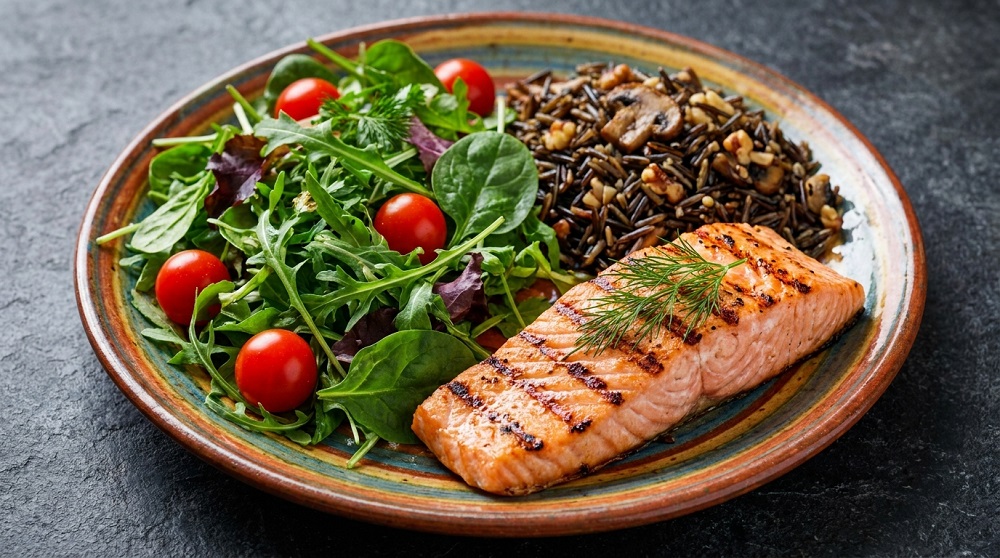
A simple, widely recommended visual approach involves dividing your plate into sections without any measuring required.
How to Build a Balanced Plate
- Fill half the plate with non-starchy vegetables
- Fill one quarter with lean protein
- Fill one quarter with whole grains or starchy vegetables
- Add a small amount of healthy fat, such as olive oil or avocado
This method naturally controls portions of higher-calorie foods while allowing generous servings of lower-calorie vegetables.
Practical Portion Control Habits
Use Smaller Plates and Bowls
Research suggests that people tend to serve and eat more food when using larger dishware, even without realizing it. Switching to smaller plates can naturally reduce portion sizes.
Serve Meals in the Kitchen, Not at the Table
Plating food in the kitchen rather than serving family-style at the table reduces the temptation for second helpings taken out of habit rather than actual hunger.
Slow Down While Eating
It takes roughly 20 minutes for the brain to register fullness. Eating slowly and pausing between bites gives the body time to signal satiety before overeating occurs.
Pre-Portion Snacks
Eating directly from a large bag or container makes it easy to lose track of how much has been consumed. Portioning snacks into small bowls or bags beforehand creates a natural stopping point.
Read Hunger and Fullness Cues
Rating hunger on a simple scale before and during a meal (from very hungry to overly full) can help identify a comfortable stopping point rather than eating until a plate is empty out of habit.
Portion Control While Eating Out
Restaurant portions are often significantly larger than typical serving sizes, making mindful strategies especially useful when dining out.
Helpful Strategies
- Ask for a to-go box at the start of the meal and portion off half immediately
- Share entrées when dining with others
- Start with a salad or vegetable-based appetizer to help moderate overall intake
- Order appetizer-sized portions as a main course when appropriate
Mindful Eating as a Long-Term Tool
Eliminate Distractions
Eating in front of screens often leads to mindless overeating, since attention is focused elsewhere rather than on hunger and fullness cues.
Engage the Senses
Paying attention to the taste, texture, and aroma of food increases satisfaction from meals, which can naturally reduce the tendency to overeat.
Avoid Extreme Hunger
Arriving at a meal overly hungry often leads to eating quickly and past the point of comfortable fullness. Regular, balanced meals help prevent this cycle.
The Bottom Line
Portion control offers a flexible, sustainable alternative to calorie counting, relying on visual cues, mindful habits, and simple environmental adjustments rather than constant tracking. Over time, these strategies can become second nature, supporting balanced eating without the mental load of counting every calorie.
This article is for general informational purposes and isn’t a substitute for personalized advice from a registered dietitian or physician.