One of the biggest challenges in managing weight is hunger — restrictive eating often backfires because it leaves people feeling deprived and eventually overeating. The good news is certain foods are naturally low in calories while still being highly satisfying, thanks to their fiber, water, and protein content.
What Makes a Food Filling Despite Being Low-Calorie?
Foods that promote fullness relative to their calorie content typically share a few key traits: high fiber, high water content, and/or significant protein. These properties slow digestion, increase feelings of satiety, and help regulate blood sugar, making it easier to feel satisfied without consuming excess calories.
High-Volume, Low-Calorie Vegetables
Non-starchy vegetables are among the most calorie-efficient foods available, offering significant volume and nutrients for relatively few calories.
Top Picks
- Leafy greens (spinach, kale, arugula)
- Broccoli and cauliflower
- Bell peppers
- Zucchini
- Cucumbers
- Tomatoes
- Mushrooms
These vegetables can be eaten in generous portions, adding bulk and volume to meals that naturally promote fullness.
Protein-Rich, Lower-Calorie Options
Protein is one of the most filling macronutrients, helping regulate hunger hormones and promote satiety.
Lean Protein Sources
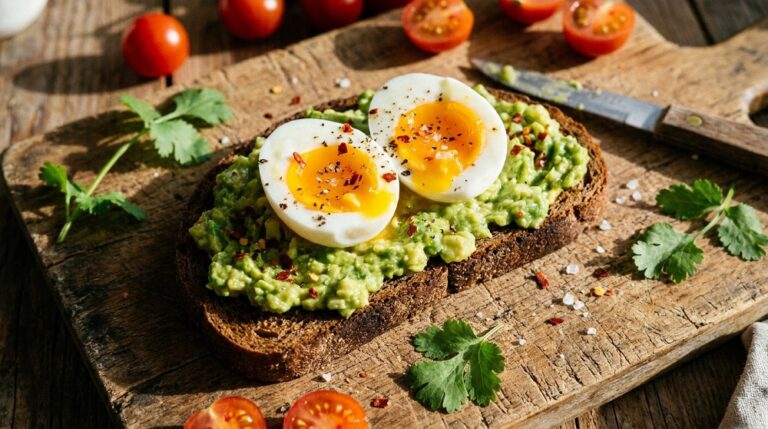
- Egg whites or whole eggs
- Skinless chicken breast
- White fish (cod, tilapia, haddock)
- Greek yogurt (plain, non-fat or low-fat)
- Cottage cheese
- Tofu and tempeh
- Legumes (lentils, chickpeas, black beans)
Fiber-Rich Fruits
While fruit contains natural sugars, many options are relatively low in calories while offering substantial fiber and water content that supports fullness.
Filling Fruit Choices
- Berries (strawberries, raspberries, blackberries)
- Apples (with skin)
- Pears
- Grapefruit
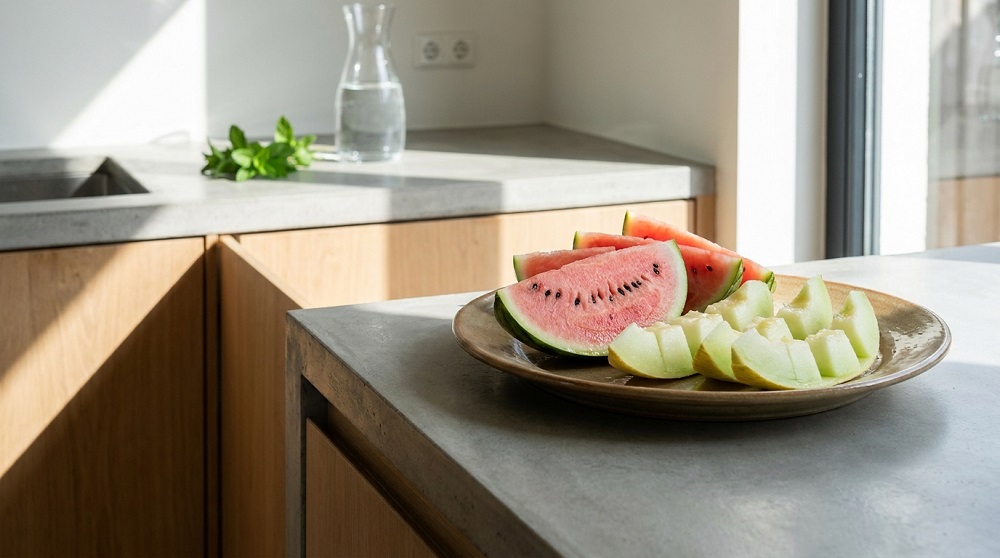
- Watermelon and other melons (high water content)
Whole Grains and Legumes
While slightly higher in calories than vegetables, whole grains and legumes provide substantial fiber and protein that promote lasting fullness.
Filling Whole-Food Carbohydrates
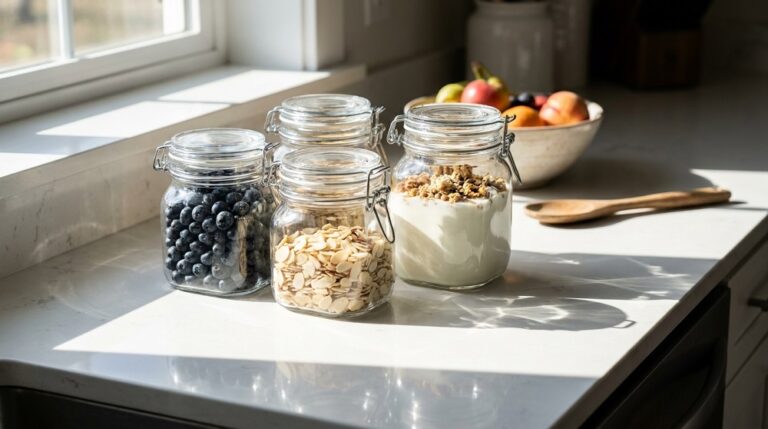
- Oats
- Quinoa
- Lentils
- Chickpeas
- Black beans
- Barley
Soups and Broths
Broth-based soups, particularly those loaded with vegetables, offer significant volume and warmth that can enhance satisfaction for relatively few calories, especially compared to cream-based alternatives.
Popcorn (Air-Popped)
Air-popped popcorn is a whole grain that offers considerable volume and fiber for its calorie count, making it a satisfying snack option compared to many processed alternatives.
Building Filling Meals
Combine Categories for Maximum Satiety
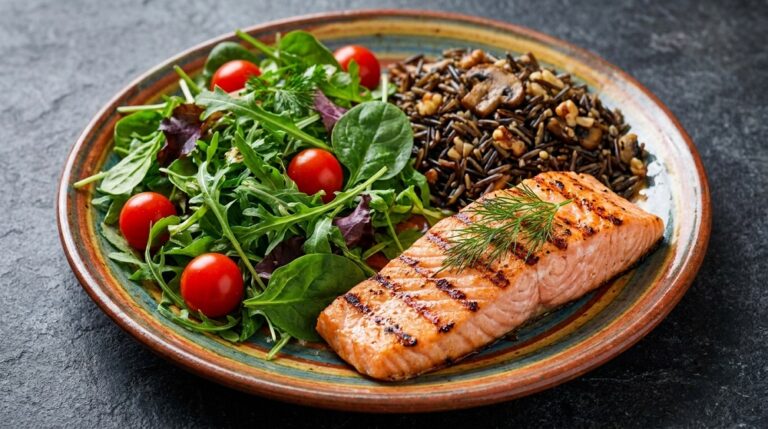
Pairing a lean protein with high-volume vegetables and a modest portion of whole grains creates meals that are both nutrient-dense and genuinely filling.
Example: Grilled chicken breast with a large serving of roasted vegetables and a small portion of quinoa.
Prioritize Whole, Minimally Processed Foods
Whole foods generally offer more fiber and volume per calorie compared to processed alternatives, which tend to be more calorie-dense while being less filling.
Don’t Fear Healthy Fats Entirely
While fats are more calorie-dense, small amounts of healthy fat (avocado, olive oil, nuts) added to meals can improve satisfaction and help meals feel more complete, supporting better adherence over time.
A Note on Sustainable Eating
Focusing exclusively on low-calorie foods without regard for overall balance and enjoyment can be difficult to sustain long-term. The most effective approach incorporates these filling, nutrient-dense foods as a foundation while still allowing flexibility and enjoyment in eating.
The Bottom Line
Certain foods offer a favorable balance of volume, fiber, and protein relative to their calorie content, making it possible to eat satisfying portions while supporting weight management goals. Building meals around vegetables, lean proteins, and whole grains provides a sustainable foundation for feeling full without excess calories.
This article is for general informational purposes and isn’t a substitute for personalized advice from a registered dietitian or physician.