The scale is often the default way people measure fitness progress — and one of the least reliable. Body weight fluctuates daily due to water retention, food intake, and hormones, telling only a small part of the story. Effective progress tracking requires a broader set of tools that capture the full picture of improvement.
Why the Scale Isn’t Enough
Weight alone doesn’t distinguish between fat loss, muscle gain, or water fluctuation. It’s possible to lose fat and gain muscle simultaneously while the scale barely moves — a common source of frustration for people who feel they’re making progress but see no change in weight.
Better Ways to Track Progress
Body Measurements
Taking measurements of the waist, hips, chest, arms, and thighs every few weeks can reveal changes in body composition that the scale misses entirely.
Tips for consistency:
- Measure at the same time of day, ideally in the morning
- Use the same measuring tape and technique each time
- Track every 2–4 weeks rather than daily
Progress Photos
Visual changes often become apparent in photos before they show up on the scale or in measurements.
Tips for consistency:
- Use the same lighting, location, and poses each time
- Wear similar clothing for accurate comparison
- Take photos every 2–4 weeks
Strength and Performance Metrics
Tracking performance provides an objective, motivating measure of progress that isn’t tied to appearance.
What to track:
- Weight lifted for key exercises
- Number of reps completed at a given weight
- Time to complete a set distance (running, rowing, cycling)
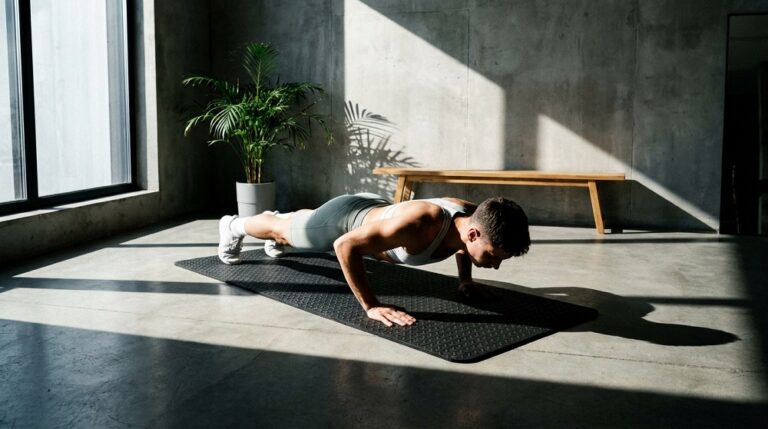
- Number of push-ups, pull-ups, or other bodyweight exercises completed
How Clothes Fit
A simple, low-effort way to gauge body composition changes over time, particularly useful for those who prefer not to measure or weigh regularly.
Energy Levels and Recovery
Improved fitness often shows up as better energy throughout the day, faster recovery between workouts, and improved sleep quality — all valuable, if less quantifiable, indicators of progress.
Using Technology to Track Progress
Fitness Trackers and Wearables
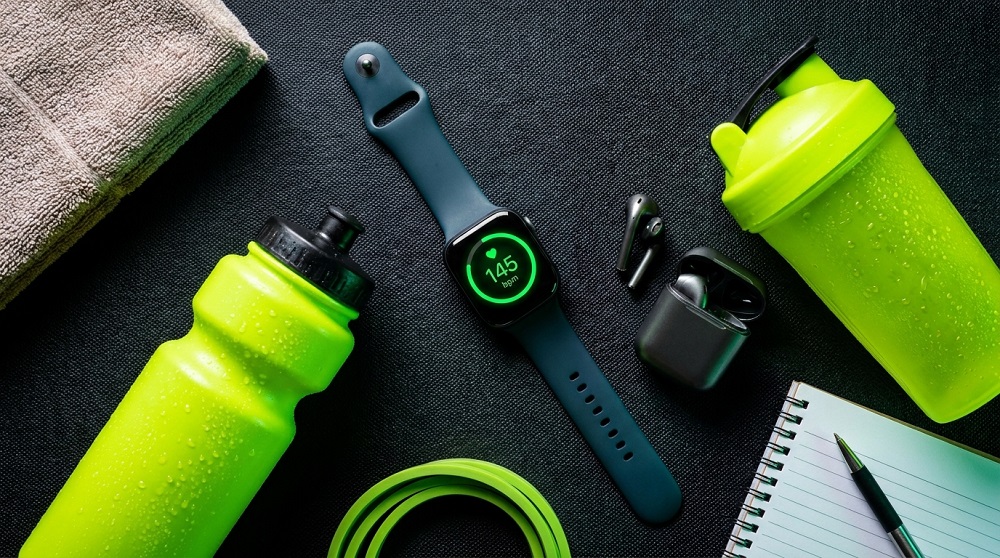
Devices that track steps, heart rate, and workout intensity can provide useful data on activity levels and cardiovascular trends over time.
Workout Apps and Logs
Logging workouts — sets, reps, and weights — creates a clear record of strength progression and helps identify plateaus early.
Body Composition Scales
Some smart scales estimate body fat percentage and muscle mass in addition to weight, offering a more complete (though not perfectly precise) picture than weight alone.
Setting Meaningful Benchmarks
Rather than fixating on a single number, effective tracking involves setting specific, measurable goals tied to what actually matters for your objectives.
Example Benchmarks
- Increase squat weight by 10% over 8 weeks
- Complete a 5K run 2 minutes faster
- Add 5 more push-ups to a max set
- Reduce waist measurement by 2 inches
How Often Should You Track?
Tracking too frequently can create unnecessary stress and obscure meaningful trends behind daily noise.
General Guidelines
- Weight (if tracking): Daily or every few days, focusing on weekly averages rather than single readings
- Measurements and photos: Every 2–4 weeks
- Strength/performance metrics: Every workout, reviewed for trends every few weeks
- Overall assessment: Monthly check-ins to evaluate multiple metrics together
Avoiding Common Tracking Pitfalls
- Relying on a single metric (like the scale) as the only indicator of progress
- Comparing daily fluctuations rather than long-term trends
- Setting unrealistic timelines that don’t match sustainable progress rates
- Ignoring non-scale victories like improved energy or better sleep
The Bottom Line
Effective fitness tracking goes far beyond the number on a scale. Combining measurements, photos, performance metrics, and how you feel provides a much more complete and motivating picture of progress — helping sustain long-term commitment even when the scale doesn’t tell the whole story.
This article is for general informational purposes and isn’t a substitute for personalized advice from a fitness professional or physician.