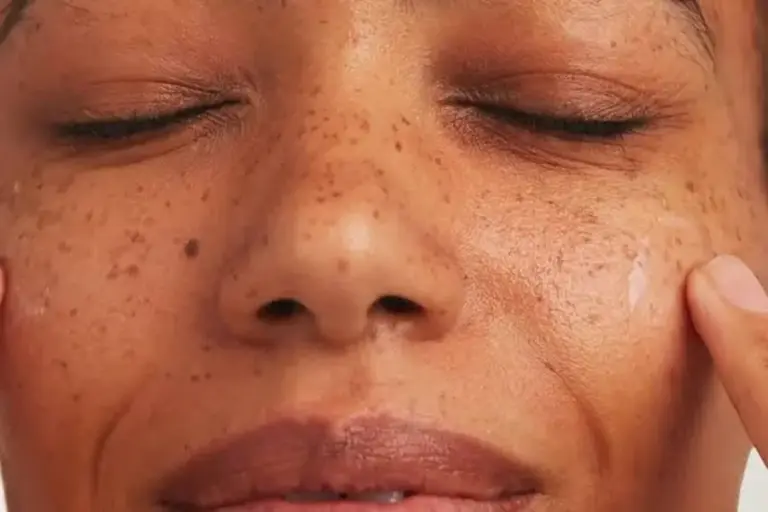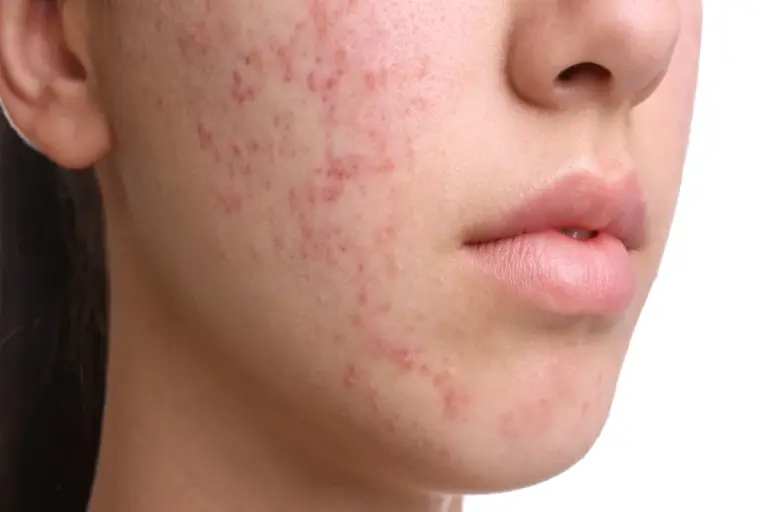
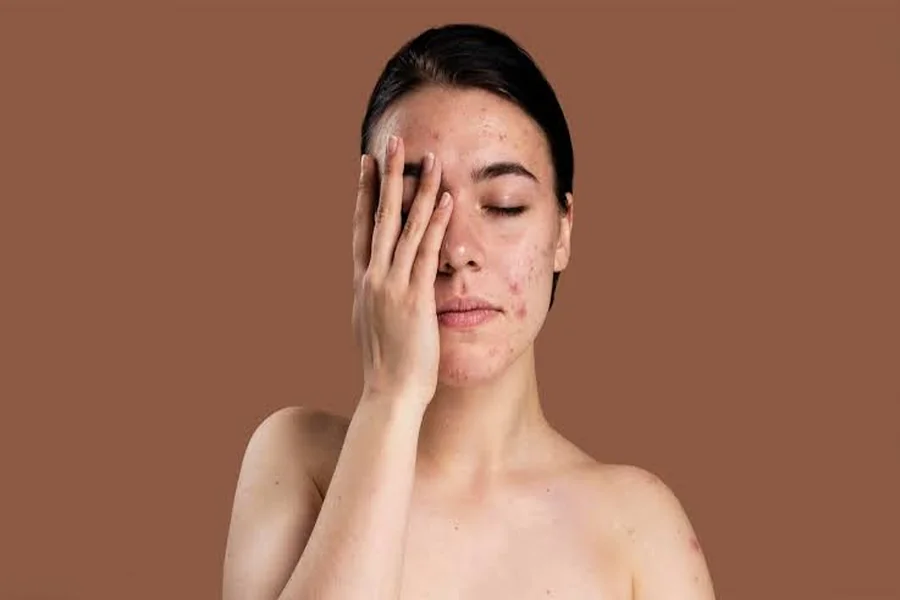
Pigmentation For Oily Skin can be very frustrating, particularly when one notices dark spots when acne breaks out or when there is a long-time exposure to the sun. Oily skin tends to have too much sebum that could result in blocked pores resulting to acne that is frequent. When the blemish heals, the skin may be left with post-inflammatory hyperpigmentation, which results in an uneven skin colour that can only go away after weeks or even months.
Luckily, due to proper skincare routine, regular sun protection, and ingredients that help address the discoloration with no greasy skin feel, pigmentation on the oily skin can be addressed. The trick lies in the possibility to select the products which regulate the oil production and contribute to healthy skin renewal.
In this guide, the author includes details about the causes of pigmentation in oily skin, the most suitable treatment options, ingredients to consider, and tips applicable to prevent dark spots in the future.
What Causes Pigmentation on Oily Skin?
Pigmentation is an effect caused by the skin producing an excess amount of melanin in specific areas causing patches or spots on the skin to be darker than the surrounding skin.
Acne is a common cause of the skin of people with oily skin. Post-inflammatory hyperpigmentation occurs after pimples, blackheads, and inflamed breakouts heal.
Too much oil does not cause pigmentation per se but it promotes the growth of acne that tends to result in discoloration.
Another significant factor is sun exposure. Existing dark spots, which are stimulated by ultraviolet rays, become even darker.
Pigmentation can also be a result of hormonal changes. Hormonal changes are usually associated with conditions like melasma that are more prominent when exposed to the sun.
Squeezing or picking pimples has been found to aggravate the inflammation and predispose to persistent marks.
Pigmentation may also be caused by certain skin wounds, allergic reactions or pigmentation produced by harsh skincare products.
An understanding of the cause will guide you to select the best course of treatment.
Building the Right Skincare Routine
Regular skincare routine has a significant impact in pigmentation reduction and maintaining the balance of oily skin.
Use a light cleanser that will get rid of any excess oil, dirt and makeup without taking away the natural moisture barrier in the skin.
Once cleansed, use a lightweight toner, provided it matches your skin type. Do not use formulas that are too heavy in alcohol, which can irritate or be too dry.
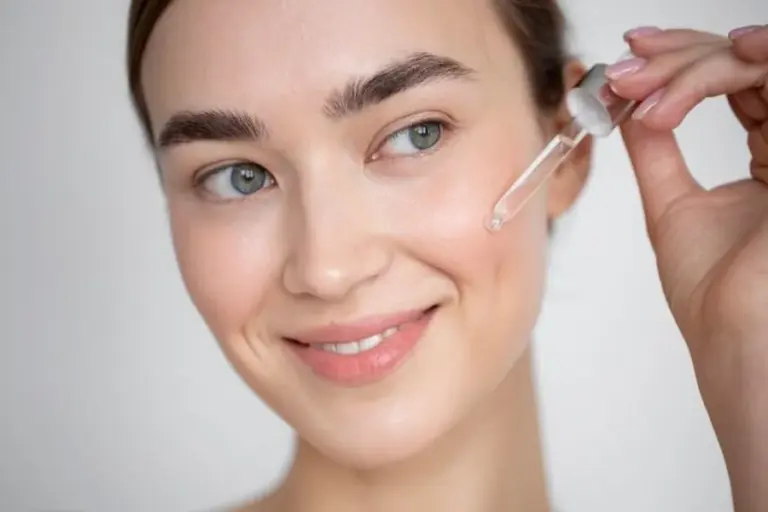
Next, a treatment serum with a combination of ingredients that address pigmentation can be used. Lightweight, non-comedogenic formulas are usually the best choice for oily skin.
Apply an oil-free hydrator afterwards. Oily skin requires moisture and by not using the moisturizer, the skin will tend to generate more oil.
Complete all your morning routine with a broad-spectrum sunscreen.
Repeat the cleansing process at night and use products that help to support the skin renewal process during the sleep.
It is better to be consistent than using numerous products. Even a simple everyday routine can be of more beneficial results than a change of skin care products that is done regularly.
Ingredients That Help Reduce Pigmentation
There are a number of skincare products that are renowned to be effective in enhancing uneven skin tones.
Among the most preferred ones is vitamin C that properties brightness to the skin and shields against environmental destruction by free radicals.
Still another great oily skin ingredient would be niacinamide. It assists in controlling oil production and decreasing the number of dark spots and aiding the skin barrier.
Azelaic acid is usually prescribed to individuals struggling with acnes as well as pigmentation as it helps to decrease the discoloration and soothes the inflammation.
Retinoids promote increased cell turnover to the skin, and over time fades acne marks as well as enhances skin texture.
Alpha hydroxy acids like glycolic acid exfoliate the skin gently and help in flattening skin and giving a brighter complexion.
Salicylic acid continues to be a popular choice with the oily skin due to its ability to penetrate pores, minimise breakouts, and aid in smooth skin.
Many pigmentation treatments also contain licorice root extract and tranexamic acid as they aid in reducing excess melanin production.
Introductions of active ingredients should be slow to minimize the chances of irritation.
Professional Treatments for Stubborn Pigmentation
Over-the-counter skincare has a good effect on some pigmentation, whereas deeper discoloration might require professional intervention.
The chemical peels shed off the dead layers of skin forms, stimulating the new skin cell to regenerate pigmented areas.
Microneedling can encourage collagen growth and can potentially be helpful in the appearance of acne scars and inaccurate complexion.
Laser session aims at excess pigment based on light energy. Depending on the kind of pigmentation and depth, there are various laser technologies.
The Intense Pulsed Light also known as IPL is also capable of reducing some forms of discoloration as a result of sun diseases.
In cases where pigmentation is more intractable, dermatologists may prescribe more potent topical drugs that include hydroquinone, retinoids or combination therapy.
Qualified skincare professionals should always conduct a professional treatment or monitor it and advise on the most suitable choice to be made regarding your skin type.
Consultation is useful in coming up with the most effective and safe treatment plan.
Preventing Future Pigmentation
It is sometimes simpler to prevent the development of pigmentation than to treat dark spots.
The most crucial step is using sunscreen daily. Ultraviolet rays are capable of enhancing pigmentation as well slowing the fading process even during a cloudy day.
Select a sunscreen that has a wide spectrum with sufficient sun protection and reapply it in the case of spending a lot of time in the sunlight.
Do not pick pimples or touch active acne as it becomes inflamed and may result in post-inflammatory hyperpigmentation.
Early treatment will help eliminate the likelihood of the formation of long-lasting marks once the breakouts have been treated.
Wash with soft skincare items instead of aggressive scrubs that can cause irritations on the skin.
Always have a regular skincare regime and do not change products too often.
Healthy lifestyle also helps in improving the skin. Proper hydration, stress management, enough sleep, and a balanced diet contribute to the natural healing process of the skin.
It is important to be patient as pigmentation may not vanish overnight but may fade gradually.
Final Thought
Treating Pigmentation For Oily Skin involves both correct skin care, sun protection, and time. Women have an oily skin that is likely to get acne, therefore, trying to avoid an acne breakout is some of the solutions in minimising future pigmentation. Meanwhile, vitamin C, niacinamide, azelaic acid and retinoids can be used to brighten existing dark spots and improve overall skin texture.
In case of severely persistent pigmentation that does not respond to conventional skincare, professional interventions like chemical peels, microneedling, or laser therapy can be beneficial under the care and oversight of a dermatologist.
by maintaining a regular routine with expectations that ought to be realistic, most individuals experience gradual changes in skin tone with time. The most effective approach to appear clearer and even has always been good skincare practices, coupled with the use of sunscreen on a daily basis..
FAQs
What causes pigmentation on oily skin?
Pigmentation is commonly caused by acne, inflammation, sun exposure, hormonal changes, and skin injuries that increase melanin production.
Can oily skin make pigmentation worse?
Oily skin itself does not directly cause pigmentation, but it increases the risk of acne, which often leads to post-inflammatory dark spots.
Which ingredient is best for pigmentation on oily skin?
Vitamin C, niacinamide, azelaic acid, retinoids, and salicylic acid are commonly recommended depending on your skin’s needs.
How long does pigmentation take to fade?
Mild pigmentation may improve within several weeks, while deeper discoloration can take several months with consistent treatment.
Is sunscreen necessary for treating pigmentation?
Yes. Daily sunscreen helps prevent existing pigmentation from becoming darker and protects the skin while it heals.
Can professional treatments remove pigmentation?
Yes. Chemical peels, laser treatments, microneedling, and dermatologist-prescribed medications may improve stubborn pigmentation.
Should I pop pimples if I have oily skin?
No. Picking or squeezing pimples increases inflammation and raises the risk of developing long-lasting pigmentation.