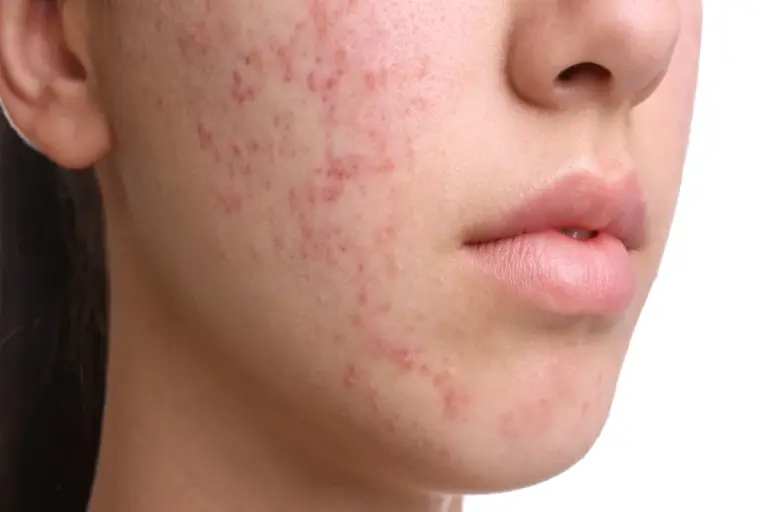
A lot of individuals seeking natural remedies to skincare question, Does Rosehip Oil Reduce Acne Spots and Scars? The acne can clear with time but the scars and other marks that it causes may be lasting. That is why the rosehip oil has taken a trendy place in most skincare regimens. Rosehip oil, extracted out of the seeds of wild rose bushes, is abundant in vitamins, antioxidants, and essential fatty acids which can help maintain healthier-looking skin.
Though rosehip oil does not qualify as a miracle ingredient, it has had hype due to its capacity to hydrate the skin, enhance its texture, and fade the post-acne residues over time. Combined with a regular skincare schedule and expectations, it can prove to be an effective supplement to individuals who currently have acne spots and minor scarring.
This guide clarifies how rosehip oil functions, what modifications it might serve, how it may be applied securely, and what you ought to anticipate, prior to incorporating it into your skincare regimen.
What Is Rosehip Oil and Why Is It Popular?
Rosehip oil is produced using the seeds and fruits of wild rose plants and not the petals of the flowers.
Rosehip oil is light in texture (compared to most heavier facial oils) and it absorbs relatively fast into the skin. It possesses a number of naturally produced constituents which have endowed it with commercial fame in skincare products as well as natural beauty routines.
Linoleic acid, which is an essential fatty acid and aids in maintaining the protective layer of the skin, is one of its major ingredients. It has also lower levels of oleic acid that makes the skin soft and moist.
Antioxidants, such as vitamin e and carotenoids, are abundantly present in rosehip oil. These ingredients will protect the skin against environmental stress which come about through pollution and our daily encounters with the environment.
The other reason why it is so popular is due to its natural source of the provitamin A compounds that are cited as possessing in relation to skin renewal. In comparison to prescription retinoid, rosehip oil offers a significantly gentler alternative to numerous individuals.
It is lightweight, thus it applies to a wide range of skin types, including combination or those with oily skin.
How Rosehip Oil May Help Acne Spots and Scars
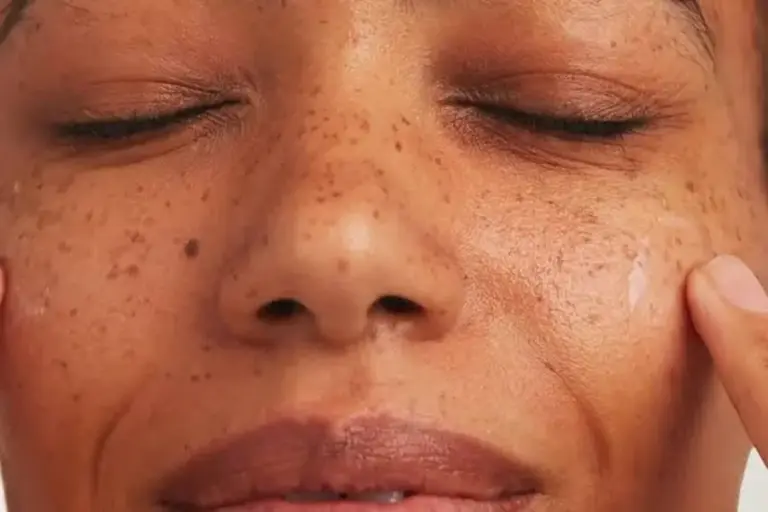
Acne spots are an example of post-inflammatory hyperpigmentation that is one of the largest concerns following acne. These dark spots or red marks may linger on long after the breakouts has subsided.
The Rosehip oil can be used to improve the appearance of these marks in the following ways.
Its antioxidants play a role in maintaining healthy skin by eliminating the effects of free radicals. The healthy body skin repair mechanism helps promote an equal complexion with time.
The fatty acids are necessary to support the skin barrier, and in this way, the skin is kept more hydrated. Smooth and healthy-looking skin is a recommendation of being well-hydrated.
In rosehip oil, there are natural sources of vitamin A that can promote normal skin cell renewal. With the continuous replacement of the older skin cells with new ones, the traces of discoloration caused by past acne might fade gradually.
Rosehip oil could also help to increase the overall appearance of the skin, and because of this the shallow acne scars will feel softer in the long term.
It should be known that more severe scars left by acne due to the severe loss of collagen typically need professional remedies like laser treatment, microneedling, or chemical peels to increase the amount of change.
Rosehip oil is not a propofol but a component of a prolonged skincare.
Benefits Beyond Acne Scar Care
Some individuals also use rosehip oil after acne scars have disappeared due to other benefits associated with its usage in skincare.
Its hydrating effect steers clear of making the skin too dry.
Its capacity to leave the skin soft and at the same time give it lightweight finish is a favorable attribute of many users.
Antioxidants that are found naturally in rosehip oil promote healthy-looking skin by aiding in protection against environmental influences.
In some individuals, the general skin tone is improved after regular use.
Dehydration may also lead to fine lines which can be less visible since moist skin may appear smoother.
Rosehip oil commonly features on nighttime routines since this kind of oil can be used together with the moisturizers in assisting skin repair during the night.
The fact that it is multi-purpose makes it adaptable to the individuals who want a multi-purpose facial oil and not limited to a single concern-based product.
Although the outcomes of the treatment differ among the users, a beneficial effect on the texture and the skin and decreased acne mark appearance is welcomed by a large number of users.
How to Use Rosehip Oil Correctly
When rosehip oil is used correctly, chances are high that it will deliver good results.
Start with clean skin, make sure to wash your face with a light cleanser that fits your skin type.
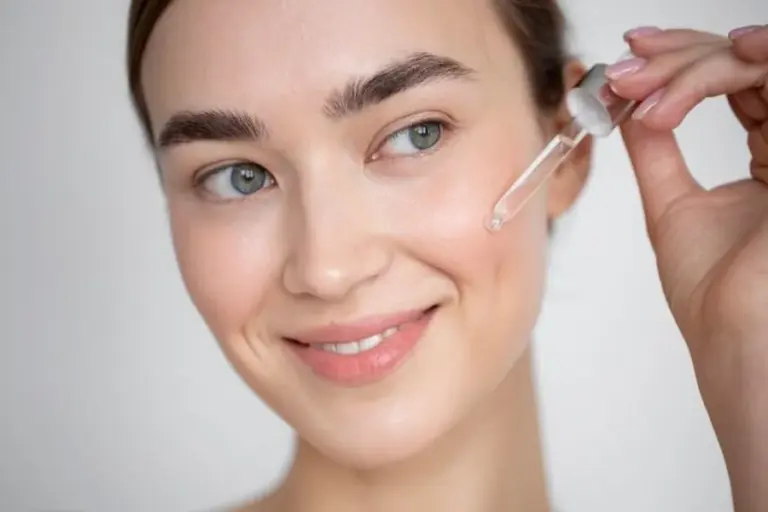
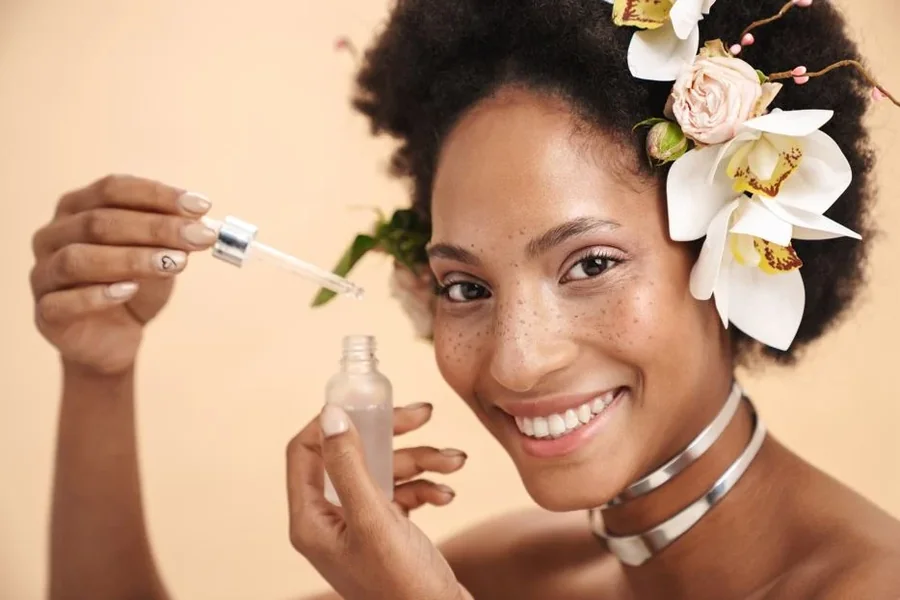
Use a couple of drops of rosehip oil on slightly damp skin or apply on top of a hydrating serum.
Apply circles of oil upwardly on your face in gentle movements.
Use a moisturizer to follow in case it requires more water.
There are quite a number of individuals who apply the rosehip oil at night and leave it uninterrupted as the product has around several hours to be absorbed by the skin.
Should you want to use it on a daytime use it and then put sunscreen on. A protective Ultraviolet sun protection is always needed when dealing with acne spots as discoloration may take more time due to ultraviolet exposure.
Apply rosehip slowly at first applying it a few times per week and then frequency can be increased provided your skin adapts.
If a patch test should also be done prior to being used with an eye to ensure individual sensitivity.
Regular use is of lesser significance than consistency. The enhancement is usually a process that occurs in a number of weeks or months.
Choosing the Right Rosehip Oil and Managing Expectations
All rosehip oil products are not creative.
The cold-pressed rosehip oil is normally preferred since this type of extracting oil tends to preserve most of the naturally occurring nutrients of the oil.
Dark glass bottles prevent light exposure of the oil to freshness deterioration with time.
Look out products with superfluous scents or irritating components in the occasion that you possess delicate or acne-sensitive skin.
Keep the bottle in a cool place and put a tight cap after every usage.
Another thing is to set realistic expectations.
Deep acne scars cannot be completely removed, or overnight alterations made with rosehip oil.
Currently evident improvements normally take regular practice throughout the couple of weeks, and a total skincare regimen, comprising of cleansing, moisturizing, and day-in day-out sun protection.
Should acne persist or scarring be severe, a dermatologist visit might offer support to a treatment tailored better to your personal skin issues.
Rosehip oil is not the solution, it is only a component of a comprehensive skincare strategy.
Final Thought
Can Rosehip Oil Help Combat Acnes Spots And Scars Can Rosehip Oil Help Combat Acnes Spots And Scars The answer is it can as long as prompted use as part of a well-balanced skincare routine. It is a good choice among those who want natural skincare that works without being toxic due to its natural antioxidants, essential fatty acids, and pro-vitamin A compounds.
Rosehip oil cannot remove deep acne pits or substitute professional dermatological procedures and cannot fix the skin texture and its hydration and uneven coloration immediately, yet on the long run, may help to improve these aspects. The selection of a good quality product, proper application, keeping off the sun, and realistic expectation are all considered in achieving the most optimal outcomes.
Healthy skin is built with regular maintenance and not with expediency. Rosehip oil may be a very nice addition to your skincare routine, with patience and a considered routine.
FAQs
Can rosehip oil remove acne scars completely?
No. Rosehip oil may improve the appearance of mild acne marks and skin texture, but deep scars usually require professional treatments.
Is rosehip oil suitable for acne-prone skin?
Many people with acne-prone skin tolerate rosehip oil well because it is lightweight, but individual reactions vary.
How long does it take to see results?
Some users notice gradual improvements after several weeks of consistent use, while more noticeable changes may take a few months.
Should I use rosehip oil every day?
Many people use it once daily, especially in the evening, but it is best to introduce it gradually and monitor your skin’s response.
Can I apply rosehip oil with other skincare products?
Yes. It is commonly used alongside cleansers, hydrating serums, moisturizers, and sunscreen as part of a complete skincare routine.
Does rosehip oil help with dark acne spots?
It may gradually improve the appearance of post-inflammatory hyperpigmentation by supporting healthy skin renewal and hydration.
Do I still need sunscreen when using rosehip oil?
Yes. Daily sunscreen is important because sun exposure can make acne spots appear darker and last longer.