One of the easiest and most significant processes of keeping skin healthy is Moisturise Right. Regardless of your skin type, hydration can make your skin appear smooth, comfortable and covered all day long. Typically, people think that only dry skins require a moisturizer and the reality is that everybody must moisturise every time to assist the natural barrier on the skin and ensure a balanced look.
An effective moisturizing system does not just result in soft skin. It assists in the keeping of water, the protective layer of the skin and forms the perfect base of the remaining skincare products. When you know how to moisturize properly, it can make a significant change, in both the general health and the appearance of your skin.
Why It Is Important to Moisturise Every Day
Your skin is also dehydrating naturally during the day because of the environmental factors, weather and washing as well as because of your daily activities. The skin can either dry out, become rough, irritated or dull without sufficient hydration.
Moisturizing replenishes hydration lost and enhances the skin barrier. The skin barrier is healthy in defence of pollutants, bacteria, and loss of moisture.
Maintaining skin moisture, assisting the skin in its natural barrier, making skin softer, decreasing the effects of skin dryness, contributing to smoother skin, and promoting a healthy skin complexion, are some of the primary advantages of moisturizing every day. Depending on the type of skin, be it with oil, dry, mix or sensitive skin, the application of the right moisturizer can ensure that the skin remains balanced during the year.
How to Moisturise Right for Different Skin Types
To select the ideal moisturizer, it is important to learn the type of skin you have.
Dry-skinned people can usually use creams that are richer when it comes to giving them a long time of hydration and anti-flaking.
Oily skin individuals might enjoy gel and water-based moisturizers that are not greasy.
Balanced formulas that deliver hydration without being heavy are generally good to combination skin.
Fragrance-free moisturizers with calming agents can be useful to sensitive skin and help eliminate irritation.
In spite of the type of skin, it is always better to use moisturizer than to use huge quantities at some point in time.
Best Practices for Applying Moisturizer
Knowing when and how to apply moisturizer can improve its effectiveness.
Ideally, moisturizing should be done immediately after the skin has been cleansed when it is still a bit moist. This assists in holding moisture and enhances hydration.
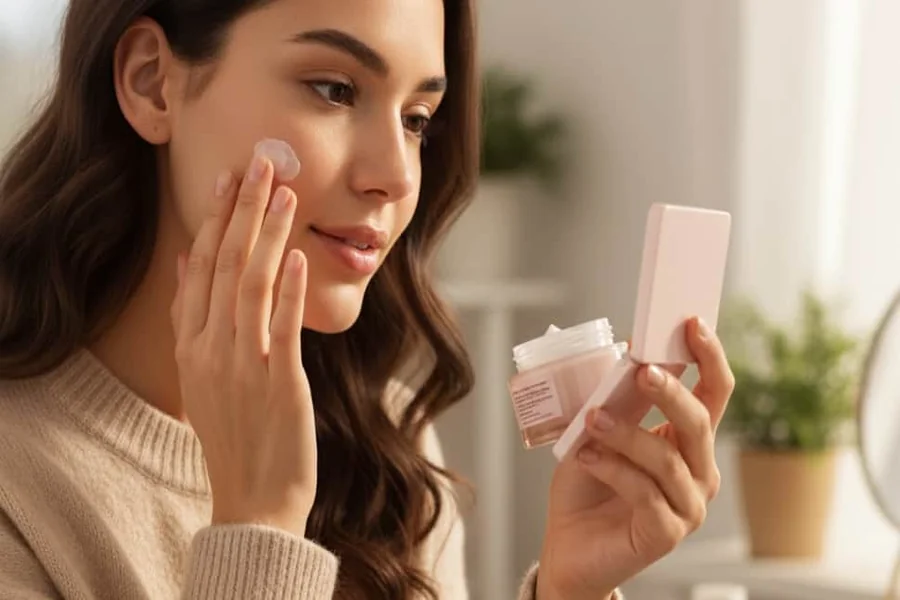
Take a little and rub it over your face and neck in an upward movement. One must not rub the skin violently since it can lead to the unnecessary irritation.
The best results are typically obtained with morning and evening applications. Use your moisturizer with a broad spectrum sunscreen to keep your skin safe during the day by avoiding exposure to harmful UV rays.
Use any treatment products like serums, apply them first and then complete your routine with moisturizer to aid in sealing in moisture.
Common Moisturizing Mistakes to Avoid
Despite the simplicity of the moisturizing procedure, there are a couple of frequently made mistakes that diminish the effectiveness.
One of the greatest myths is not using moisturizer on the grounds that your skin is oily. The oily skin still requires a lot of hydration, and skipping out on moisturizer can lead to a further increase in the production of oil by the skin.
Excessive use of product may not always enhance the results. A standard amount of the suggested amount is often sufficient in order to moisturize the skin.
The second error is to select products that are not suitable to your type of skin. Lightweight gels might not hydrate very dry skin and heavy creams can be uncomfortable on oily skin.
Expost facto: wearing sunscreen will also have an impact on the health of your skin (when applying moisturizer), since UV radiation is a contributing factor to skin dullness, pigmentation and aging.
Lastly, alternating moisturizers might not help you achieve any consistent results.
Building a Complete Hydrating Skincare Routine
Moisturizing is most useful when used in conjunction with other healthy skin care practices.
Start a day by using a mild cleanser that does not take away the natural oils of the skin.
To use specific ingredients like Vitamin C, niacinamide, or hyaluronic acid serums, apply them on before the moisturizer.
Consume adequate water during the day and dietary balance containing vitamins and antioxidants that promote healthy skin.
Too hot showers should be avoided since they may strip off the natural oils leaving the skin dry.
Adequate sleep and reducing stress also help to maintain healthier-looking skin as they help the skin in its natural repair.
It is better to have a regular routine rather than spend some money on costly goods every now and then. The most prominent long-term changes are sometimes generated by small daily habits.
Final Thought
One of the simplest methods to enhance the appearance and health of your skin, in general, is to learn how to moisturise. Regular hydration aids in skin strengthening, softness, and defenses against daily environmental pressures. No matter what type of skin you have, be it dry, be it oily, be it the combination, or be it sensitive, it is important to understand the type of moisturizer to use and apply it properly and it will go a long way. By having an easy every day routine and good skincare practices, you can spend the year having smoother, easier, and healthier-looking skin.
FAQs
Why is it important to moisturise every day?
Daily moisturizing helps maintain hydration, strengthens the skin barrier, and keeps the skin feeling soft, smooth, and healthy.
Can oily skin skip moisturizer?
No. Oily skin still needs hydration. Choosing a lightweight moisturizer can help maintain balance without making the skin feel greasy.
When is the best time to apply moisturizer?
The ideal time is immediately after cleansing while your skin is still slightly damp to help lock in moisture.
Should I moisturize before sunscreen?
Yes. Apply moisturizer first, then finish your morning routine with sunscreen for daily UV protection.
How often should I moisturize my face?
Most people benefit from moisturizing twice a day, once in the morning and again before bedtime.
Can moisturizer help improve dry skin?
Yes. Regular use of a suitable moisturizer helps reduce dryness, improves skin texture, and supports a healthier skin barrier over time.