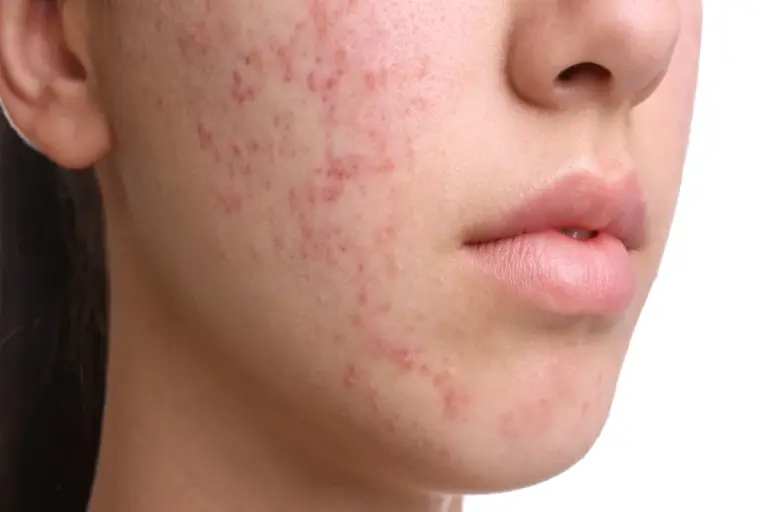
The question of What is Acne and What Causes Acnes is a common question with many people asking it particularly when they start seeing red pimples, blackheads, or sorely breaking out on their face, chest or back. One of the most widespread skin disorders in the world is acnes, which is found among both adolescents and adults. Acne can come on any age with some occasional experiences of pimples, but in other conditions of persistent inflammatory eruptions despite commonly being linked to puberty.
The reason behind the occurrence of acne is the initial step that will help in dealing with it. Acne is not merely due to uncleanliness. Rather it is generally caused when there is too much oil production, the pores are congested, the bacteria, inflammation, and change in hormones work together to affect the skin. Breakout frequency might also be influenced by lifestyle and genetics.
This guide talks about the definition of acne and what causes acne, the various types of acne, how to treat it and how you can practically minimize future outbreaks of the acne and still have healthy skin.
Understanding What Acne Is
Acne is a skin disorder which occurs as a result of the blockage of hair follicles by oil, dead skin cells and other waste products.
Every hair follicle has a sebaceous gland which secrete sebum, a natural oil that protect and moisturize the skin. Sebum is normally released through the pore to the surface of the skin. The pore may however be blocked when there is a mixture of excess oil and dead skin cells.
When this pore is clogged the bacteria that are naturally present on the skin may replicate themselves within the pore. This may cause inflammation and result in redness, swelling and pimples.
The common body areas where acne normally occurs are those body areas with the highest density of oil glands. These are the face, forehead, shoulder, chest, upper back, and neck.
Acne can be extremely severe or mild. There are those who only have a few blackheads and some have severe painful cysts which can cause scars unless attended to.
There are reasons why acne may need time to treat and be consistent and to understand how acne develops.
What Causes Acne?
Acne is caused by a number of factors.
One of the most widespread causes is the changes in hormones. With puberty, the sebaceous glands become active due to higher levels of hormones, which increase the amount of oil they make. The same hormonal changes can happen during pregnancy, menstruation or in some medical conditions.
Over production of oil predisposes a person to a blocked pore.
The dead skin cells are also significant. The failure of these cells to shed in the normal way may result in their combining with oil thus obstructing hair follicles.
The self occurring bacterium of the skin known as Cutibacterium acnes is capable of multiplying in clogged pores which causes an inflammatory response.
Acne is also genetically affected. When either or both parents had acne you might also have an increased risk to develop acne.
Stress does not bring out acne, but it can enhance current breakouts through the effects it has on hormone levels.
Certain cosmetics, hair products or skincare items that occlusive pores can cause acne in individuals who are susceptible.
Some drugs can also result in an outbreak of acne in others.
Acne is normally caused by multiple factors interacting instead of a single factor.
Different Types of Acne
There are various forms in which acne may be exhibited.
Blackheads are formed by the fact that the blocked out pores remain open, and the material that has been trapped is in contact with air, oxidizing to become dark.
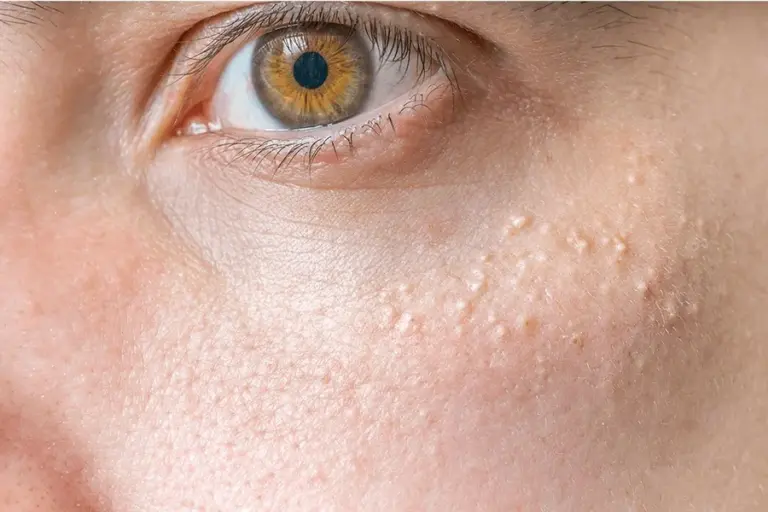
Whiteheads develop as blockages in the pores which are not open on the surface of the skin.
Papules are tiny, red, tender bumps, which cause inflammation.
Pustules are similar to the papules except that they have some pus that is visible at the center.
Nodules are bigger, more profound lumps that form over the skin. Inflammation spreads into deeper tissue, which causes them to often become painful.
The cystic acne is one of the most serious types. The cysts are large, painful and arise under the skin and can cause permanent scars in case of untreatment.
Understanding which acne subtype you are experiencing can guide you in the kind of treatment to utilize.
Effective Treatments for Acne
Treatment of acne is successful depending on how severe the problem is.
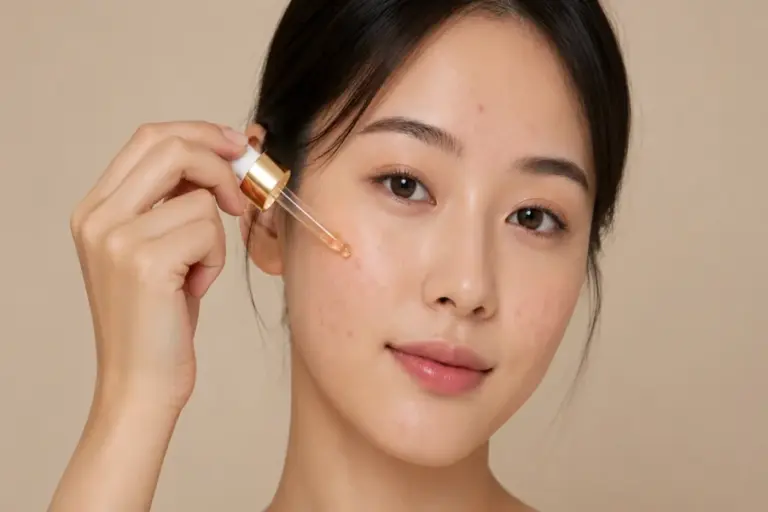
Women have mild acne which tends to react favorably to nonmedical skin care products that include benzoyl peroxide, salicylic acid or adapalene. These are ingredients that unclog the pores, reduce bacteria, and inflammation.
Can gently wash your face twice a day, avoiding irritation of the skin because of excess oil.
To treat moderate or severe acne, a dermatologist can prescribe topical or oral medications. These can be prescription retinoids, antibiotics, hormonal therapy to certain individuals, or other drugs based on the situation.
Other severe cases of cystic acne may necessitate more powerful treatments closely supervised by a doctor.
It must be consistent since it normally takes several weeks before acnes disease treatments show any improvement.
Do not squeeze or pick pimples because this inflames the pimple and the likelihood of being scarred and infected personalities.
With the assistance of a qualified healthcare professional, one can determine the treatment plan that will suit your skin most.
Tips to Help Prevent Future Breakouts
Acne cannot actually be totally helped, but healthy skincare practices can help lessen the number of break outs.
Wash your face softly and twice a day with a mild cleanser, which inhibits your skin type.
Do not cleanse too roughly since over washing can be irritating to the skin and aggravate inflammation.
Select non-comedogenic skin care products and less likely to clog pore cosmetics.
Wipe away makeup before bedtime to avoid overnight products.
Clean off the pillowcases, makeup and tools that get in touch with your face regularly.
Warm up and then shower a little after the workout in order to get the sweat and oil out of the skin.
A balanced diet, hydration, stress management, and sleep are helpful in maintaining the health of the skin.
Although there is no one food that has been found to cause acne to everyone, some people have reported seeing improvement after having been advised by a medical care specialist about their personal food triggers.
Having sensible expectations and a regular skincare routine can be the most effective in the long-run.
Final Thought
Knowing What Is Acne And What Causes Acne will assist you in dealing with this widespread skin condition with facts as opposed to legends. Acne occurs due to a combination of many factors that include; excessive secretions of oil, clogged pore, bacteria, inflammation, hormones and genetics. It does not just come as a consequence of bad hygiene.
However, there are numerous effective options, starting with the over-the-counter skincare products to prescription medications in more serious cases. Healing in healthy skincare habits and not using pore-clogging products, and consulting the professional advice as required will have a greater effect on the health of the skin in the long run.
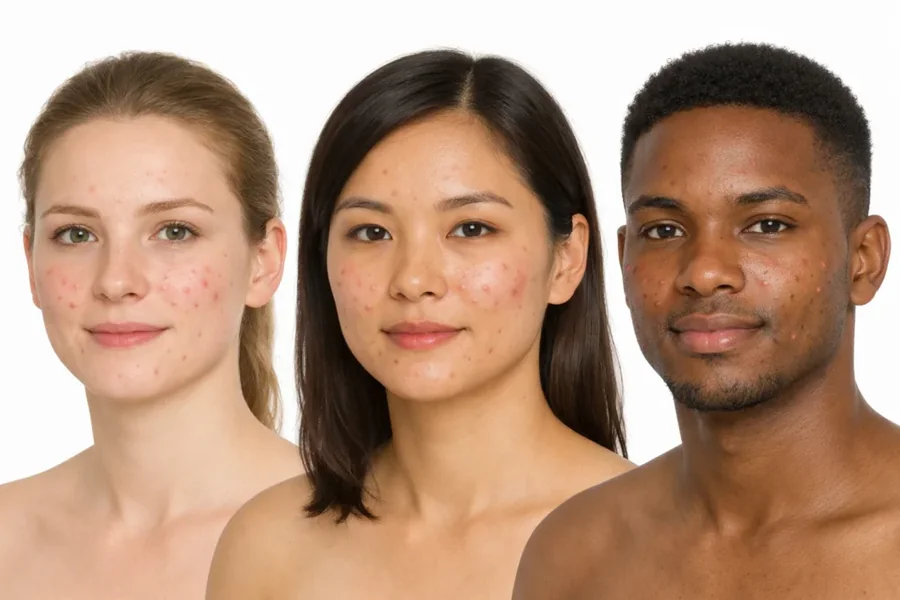
Since all individuals have different skin tones, it might take time to determine the suitable treatment. Through regular care and proper treatment strategy, majority of the individuals are able to handle acne and minimise chances of scarring permanently but also increase their self-esteem.
FAQs
What is acne?
Acne is a common skin condition that occurs when hair follicles become clogged with oil, dead skin cells, and bacteria, leading to pimples and other blemishes.
What causes acne?
Acne is usually caused by a combination of excess oil production, clogged pores, bacteria, hormonal changes, inflammation, and genetic factors.
Does poor hygiene cause acne?
No. Acne is not caused by poor hygiene. Overwashing or scrubbing the skin too harshly may actually worsen irritation.
Can adults get acne?
Yes. Acne can affect adults as well as teenagers, often because of hormones, genetics, stress, or certain skincare products.
Should I pop my pimples?
No. Squeezing pimples can increase inflammation, spread bacteria, and raise the risk of permanent scarring.
How long does acne treatment take to work?
Many treatments require several weeks of consistent use before significant improvement becomes noticeable.
When should I see a dermatologist?
If acne is severe, painful, causes scarring, or does not improve with over-the-counter treatments, it is a good idea to consult a dermatologist for personalized care.