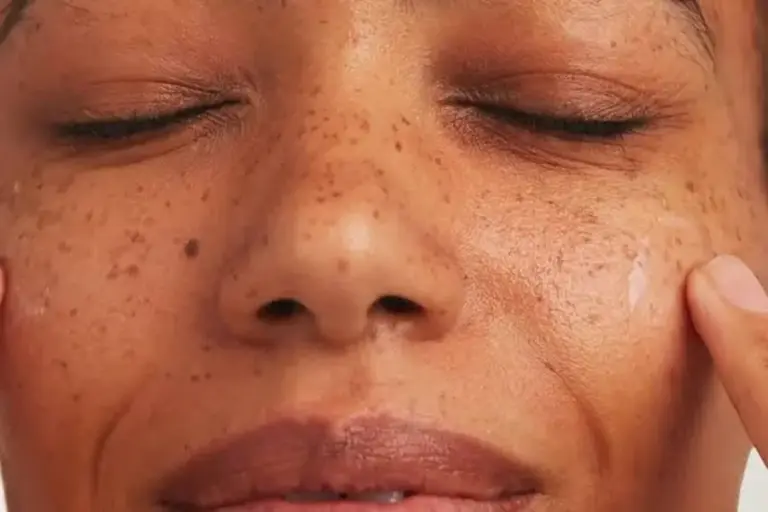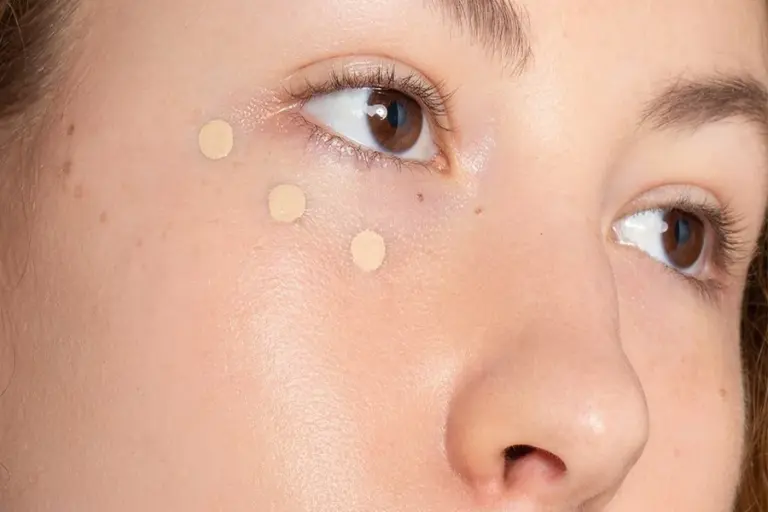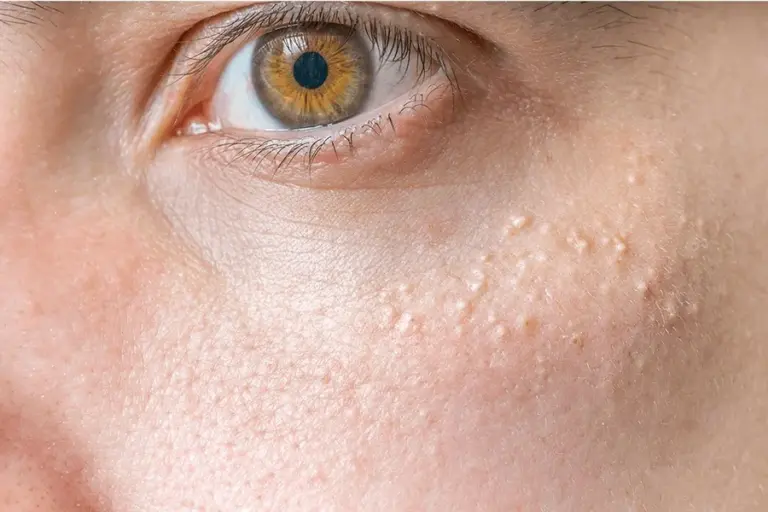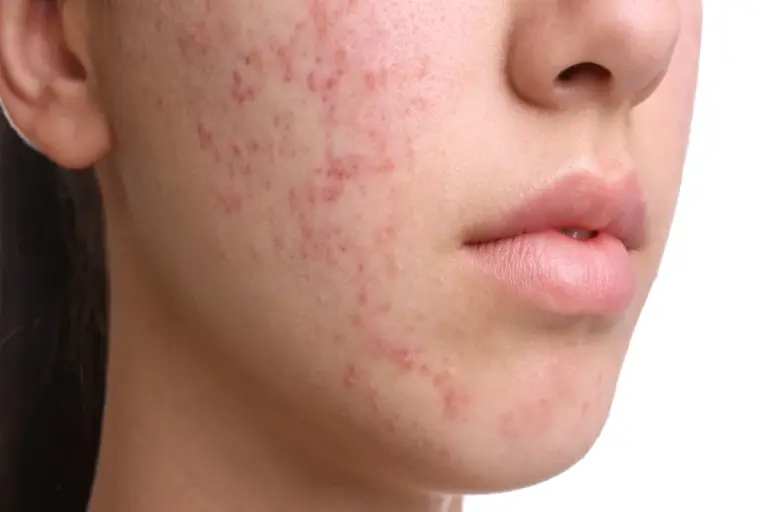
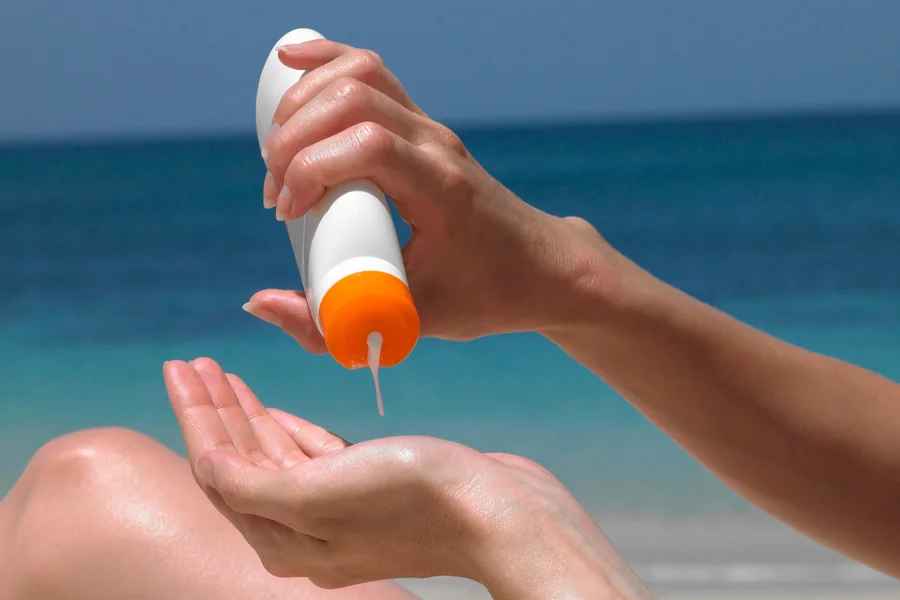
Common skin issues that can affect anyone of any age and any type of skin are pigmentation. Dark spots, irregular skin color, and discoloration patches tend to occur due to sun exposure, acne or hormonal fluctuations, or aging. Most skincare claims to eliminate these scars, but it might not be effective without effective sun protection. This is the reason why the Importance Of Sunscreens For Pigmentation cannot be overlooked. Sunscreen helps in covering the skin against the harmful ultraviolet rays which may aggravate pigmentation and delay healing.
The easiest and most effective method of avoiding pigmentation worsening and causing more spots to appear is to use sunscreen daily to ensure that the existing ones do not get darker. Whether you spend hours out or you just left your house and only spend 10 minutes outside, your skin is exposed to UV radiation which can destroy skin cells and cause excess production of melanin. Knowing the importance of sunscreen can make you develop a skin care routine that can make your skin brighter, healthier and even all over with time.
Why Importance Of Sunscreens For Pigmentation Matters
The Importance Of Sunscreens For Pigmentation becomes evident when you know the impact of sunlight on the skin. The UV radiation causes melanocytes, which produce melanin, to be stimulated. Although melanin is beneficial in defending the skin against sunburns, it may result in dark spots and uneven skin colour due to uncontrolled production.
Individuals affected by melasma, post-inflammatory hyperpigmentation or sunspots tend to observe that their pigmentation increases in darkness following even brief unprotected exposure to the sun. Sunscreen is a protective barrier which minimizes the effect of ultraviolet rays and aids in preventing additional discoloration.
The use of daily sunscreen also promotes the performance of pigmentation-brightening skincare items. Vitamin C, niacinamide, azelaic acid and retinol are ingredients that do not get absorbed efficiently when the skin is exposed to continuous sun damages. The effects of these treatments are likely to be minimized without the use of sunscreen since new pigmentation is being formed.
Wearing sun protection on a regular basis is not just necessary in summer. The UV rays are present all around the year and can penetrate through clouds and windows, thus making sunscreen an important component of daily skincare.
How Sunscreen Helps Reduce Pigmentation
Among the largest causes that cause people to be conscious of the Importance Of Sunscreens For Pigmentation, is the fact that sunscreen helps to stop pigmentation further worsening. It does not rid you of the already existing dark spots, but it preconditions the natural healing of the skin.
In cases where the skin is covered against ultraviolet radiation, too much melanin formation slows down. This enables the existing pigmentation to fade away slowly through the aid of the natural process of pigmentation in the skin. With time passing, the dark spots fade and the complexion looks smoother.
Sunscreen also shields against inflammation due to the exposure to the sun. Inflammation may cause more pigmentation, particularly in individuals with acne prone or sensitive skin. Sunscreen protects against chances of post-inflammatory hyperpigmentation worsening by reducing the amount of sun damage.
Most contemporary sunscreens have antioxidants and skin-moisturizing agents that aid in the general health of the skin. Such added benefits assist in preserving the skin barrier, enhancing hydration, and safeguarding against environmental stresses that aid in premature aging and uneven complexion.
Choosing the Right Sunscreen for Pigmentation
The proper choice of sunscreen is a significant detail of pigmentation control. Dermatologists usually suggest the use of a solid-spectrum sunscreen since it can guard against both UVB and UVA rays. The UVA rays are deeper penetrating rays and they are greatly related to pigmentation and premature aging, whereas UVB are the cause of sunburn.
The recommended level of SPF to use on a daily basis is 30 but higher SPF products can be used in the course of extended outdoor activities. The sunscreen should also be easy to wear on a daily basis since being consistent is the best recipe to success.
Oily skin patients might want to use light gel or fluid based formulas that do not sit on the skin and are absorbed easily. Dry-skinned people usually have an advantage over using creamy-based sunscreens that are moisturizing and make them hydrated during the day. Mineral sunscreens containing either zinc oxide or titanium dioxide would be gentler to individuals with sensitive skin.
Tinted sunscreens can also be useful to people with pigmentation since they can also have iron oxides that protect the skin against visible light which may cause certain forms of hyperpigmentation like melasma.
Read More: The Benefits Of The Buzzy Skincare Ingredient Cica for Healthier Skin
Tips for Using Sunscreen Effectively
Knowing the Importance Of Sunscreens For Pigmentation will also entail being able to apply sunscreen properly. Using less than adequate product decreases the degree of protection and heightens the chances of sunburns.
Putting sunscreen is the last thing you do when doing your skincare then makeup in the morning. It must cover the face, neck, ears and any uncovered parts of the skin. Using sunscreen after every two hours when outside can be used to keep safe particularly after sweating or swimming.
Sunscreen can also be useful even when you are staying indoors since ultraviolet rays can even penetrate through the windows. The daily use results in a regular protection habit that maintains long-term skin protection.
Using sunscreen together with protective clothing, sunglasses and wide brimmed hats offers extra protection against sun exposure. Not exposing pigmentation to direct sunlight during the afternoon can also decrease the chances of the pigmentation taking a darker tone.
The combination of a healthy skincare program (with mild cleansing and moisturizing and specific pigmentation therapies) and effective sun protection is most effective. Patience is key as pigmentation usually fades after several weeks or months of continuous treatment.
Final Thought
The Use of Sunscreens in Pigmentation is much more than sunburn prevention. Sunscreen keeps the skin out of the way of the ultraviolet, decreases the chance of new dark spots and makes the old ones fade better. It further aids in enhancing the functionality of skincare items that brighten and enhance the performance of the skin, which makes the skin healthy and even-toned.
One of the best choices you can make towards a long-term skin health is making sunscreen a daily habit. Together with a healthy skincare regimen and regular coverage against overexposure to sun, sunscreen can be used to achieve a fairer complexion and minimize the prospective pigmentation as age progresses.
FAQs
Why is sunscreen important for pigmentation?
Sunscreen protects the skin from ultraviolet rays that can worsen pigmentation and cause new dark spots.
Can sunscreen remove existing pigmentation?
Sunscreen does not remove pigmentation directly, but it helps prevent it from getting darker while supporting natural fading.
Which SPF is best for pigmentation?
Most dermatologists recommend using a broad-spectrum sunscreen with SPF 30 or higher every day.
Should sunscreen be used indoors?
Yes. Ultraviolet rays can pass through windows, so daily sunscreen use is still beneficial indoors.
Can I wear makeup over sunscreen?
Yes. Sunscreen should be applied before makeup as the final step in your skincare routine.
How often should sunscreen be reapplied?
Sunscreen should generally be reapplied every two hours during prolonged outdoor exposure or after swimming or sweating.