Cutting back on added sugar is one of the most common health goals — and one of the easiest to abandon. Most approaches fail because they rely on willpower alone, cutting out favorite foods cold turkey and triggering cravings that eventually win out. A more sustainable approach focuses on smart swaps and gradual changes rather than strict deprivation.
Understand Where Added Sugar Hides
Before making changes, it helps to know where most added sugar actually comes from. Contrary to popular belief, it’s often not from the sugar bowl.
Common Hidden Sources
- Flavored yogurts and granola bars
- Pasta sauces and salad dressings
- Bread and condiments like ketchup
- Sweetened beverages, including coffee drinks and juices
- “Healthy” cereals and protein bars
Reading nutrition labels for terms like high-fructose corn syrup, cane sugar, dextrose, and maltose can reveal surprising amounts of added sugar in seemingly savory foods.
Start With Beverages
Liquid sugar is one of the easiest places to cut back without noticing much difference in satisfaction, since drinks don’t offer the same textural satisfaction as food.
Simple Swaps
- Replace soda with sparkling water and a splash of fruit juice
- Gradually reduce sugar in coffee or tea rather than eliminating it overnight
- Choose unsweetened plant milks or reduce flavored syrup pumps
- Infuse water with citrus, cucumber, or mint for natural flavor
Retrain Your Palate Gradually
Taste preferences are adaptable. Sugar cravings often diminish within a few weeks of consistently reduced intake, as taste buds recalibrate to notice sweetness in smaller amounts.
Gradual Reduction Strategy
- Reduce added sugar in recipes by 25% at a time
- Mix sweetened and unsweetened versions of yogurt or cereal before fully switching
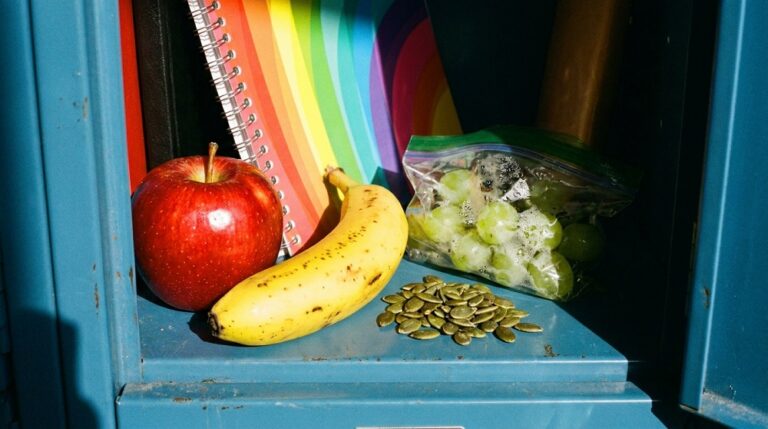
- Allow natural sweetness from fruit to satisfy cravings instead of restricting all sweetness
Focus on Satisfying Substitutes, Not Elimination
Deprivation often backfires because it treats sugar as entirely off-limits, which tends to increase cravings. A more effective approach replaces sugary defaults with naturally sweet or satisfying alternatives.
Smart Substitutions
- Fresh fruit instead of candy for a sweet craving
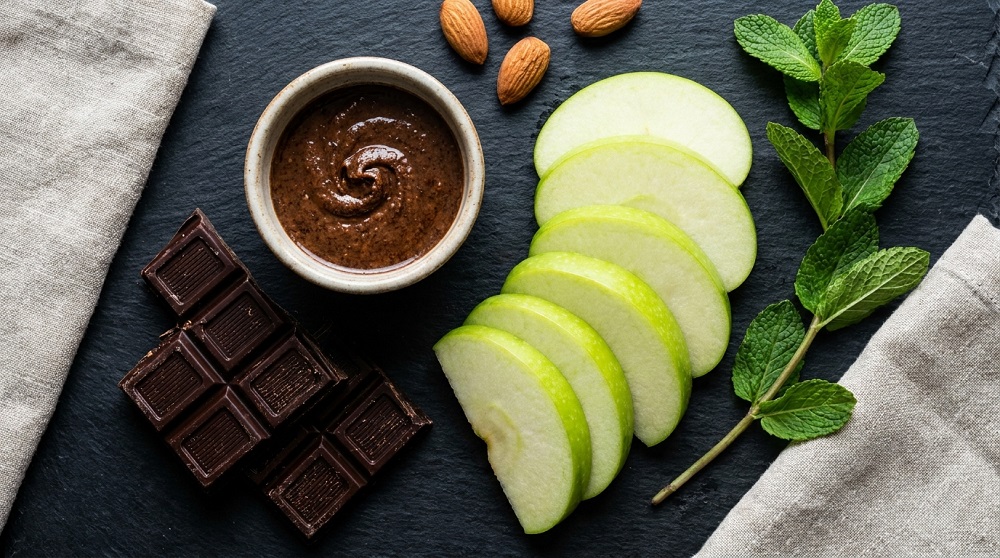
- Dark chocolate (70% or higher) instead of milk chocolate
- Cinnamon or vanilla extract to add flavor complexity without sugar
- Nut butter on fruit instead of sugary spreads
Build Balanced Meals to Curb Cravings
Sugar cravings often spike when blood sugar is unstable, which frequently happens after meals lacking protein, fiber, or healthy fats.
Craving-Reducing Habits
- Pair carbohydrates with protein or fat to slow sugar absorption
- Avoid skipping meals, which can trigger intense cravings later
- Stay hydrated, since thirst is sometimes mistaken for a sugar craving
Allow Flexibility for Treats
Completely eliminating dessert or favorite treats often leads to rebound overeating. A more sustainable approach allows planned indulgences in moderate portions, which helps prevent the all-or-nothing cycle that leads to bingeing.
A Practical Approach
- Choose smaller portions of favorite treats rather than “diet” versions that may not satisfy
- Save sugar intake for foods truly worth it (skip mediocre desserts, enjoy the ones you love)
- Practice mindful eating — slow down and actually savor sweet treats
The Bottom Line
Reducing added sugar doesn’t have to mean giving up sweetness altogether. Gradual changes, smarter substitutions, and balanced meals can meaningfully lower sugar intake while still allowing room for enjoyment — making the change far more likely to stick long-term.
This article is for general informational purposes and isn’t a substitute for personalized advice from a registered dietitian or physician.