Stress is often discussed in emotional terms, but its physical impact is just as significant — and for men, certain patterns of stress response and coping can create distinct health risks worth understanding. Recognizing how chronic stress manifests physically is an important step toward addressing it before it leads to more serious health consequences.
The Body’s Stress Response
When faced with stress, the body releases cortisol and adrenaline as part of the “fight or flight” response. This response is useful in short bursts, but when stress becomes chronic, sustained elevation of these hormones can have wide-ranging effects on physical health.
Cardiovascular Impact
Elevated Blood Pressure
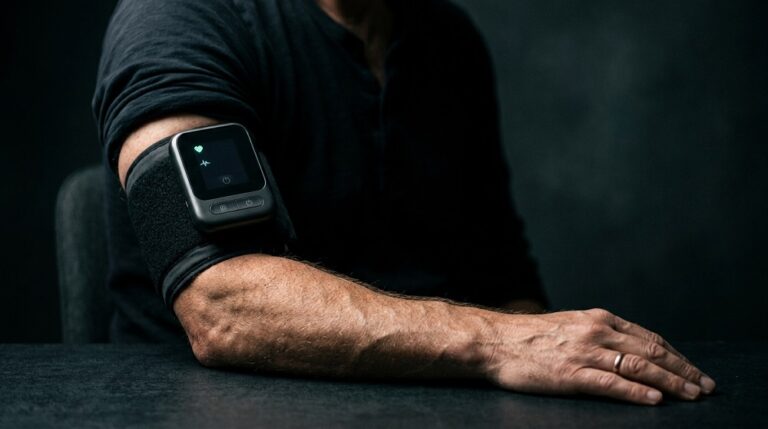
Chronic stress contributes to sustained increases in blood pressure, a significant risk factor for heart disease and stroke. Men statistically face higher rates of cardiovascular disease at younger ages compared to women, making stress management particularly relevant for heart health.
Increased Heart Disease Risk
Beyond blood pressure, chronic stress contributes to inflammation and unhealthy coping behaviors (like poor diet or smoking) that further elevate cardiovascular risk over time.
Hormonal Effects
Testosterone Suppression
Chronic elevation of cortisol has been shown to suppress testosterone production, potentially contributing to fatigue, reduced muscle mass, and decreased libido over time.
Impact on Metabolism
Stress hormones influence how the body stores fat, with chronic stress often associated with increased abdominal fat accumulation, which itself carries additional health risks.
Digestive Health
Chronic stress can disrupt digestive function, contributing to symptoms like stomach discomfort, acid reflux, and irregular bowel patterns. The gut and brain are closely connected through the nervous system, making stress a significant factor in digestive health.
Immune Function
Prolonged stress has been shown to suppress immune function, making the body more susceptible to illness and potentially slowing recovery from injury or infection.
Sleep Disruption
The Stress-Sleep Cycle
Stress often interferes with the ability to fall and stay asleep, while poor sleep, in turn, reduces the body’s capacity to manage stress effectively — creating a self-reinforcing cycle that can be difficult to break without intervention.
Musculoskeletal Tension
Chronic stress frequently manifests as physical muscle tension, particularly in the neck, shoulders, and jaw, sometimes leading to tension headaches or more persistent musculoskeletal discomfort.
Why Men May Be Particularly Affected
Underreporting Stress
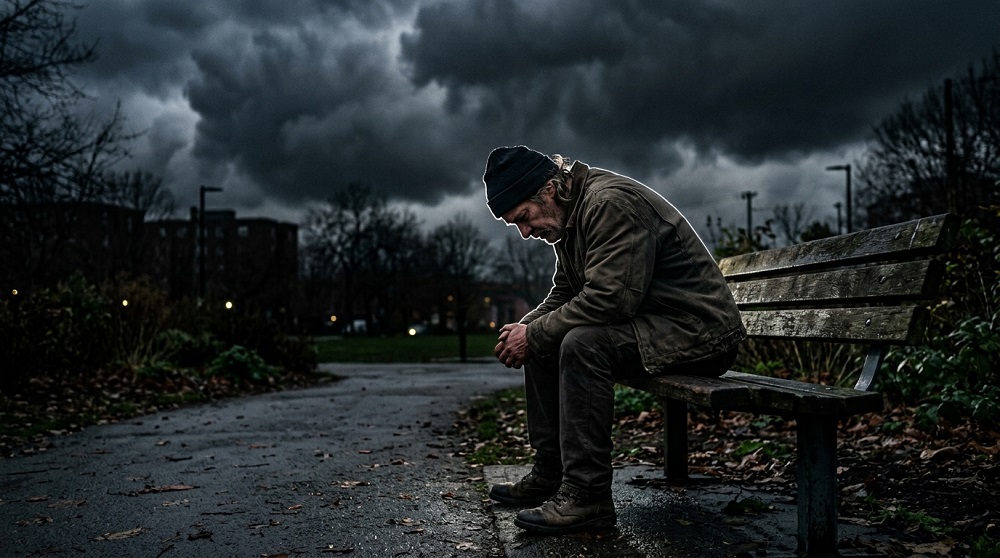
Men are statistically less likely to openly discuss stress or seek support for it, which can allow chronic stress to build without intervention, potentially amplifying its physical toll over time.
Coping Through Unhealthy Behaviors
Men may be more likely to cope with stress through behaviors like excessive alcohol use, overworking, or social withdrawal, rather than through more protective coping strategies, which can compound stress’s physical impact.
Recognizing Physical Signs of Chronic Stress
- Frequent headaches or muscle tension
- Digestive discomfort
- Elevated blood pressure
- Persistent fatigue
- Changes in appetite or weight
- Difficulty sleeping
- Increased susceptibility to illness
Effective Stress Management Strategies
Regular Physical Activity
Exercise remains one of the most effective tools for managing stress hormones and building physical and emotional resilience over time.
Prioritizing Sleep
Consistent, quality sleep strengthens the body’s capacity to handle stress and supports recovery from its physical effects.
Building Social Connection
Actively maintaining relationships and seeking support, rather than withdrawing during stressful periods, provides both emotional relief and practical problem-solving support.
Practicing Relaxation Techniques
Deep breathing, meditation, and other relaxation practices can help interrupt the physical stress response and build longer-term resilience with consistent practice.
Moderating Alcohol Use
While alcohol may feel like a stress reliever in the moment, it often exacerbates the physical effects of stress over time, including sleep disruption and hormonal imbalance.
When to Seek Professional Support
Persistent stress that’s affecting physical health, sleep, or daily functioning warrants a conversation with a healthcare provider or mental health professional, who can help identify effective strategies and address any related physical health concerns.
The Bottom Line
Chronic stress has significant, wide-ranging effects on physical health — from cardiovascular risk to hormonal balance to immune function. Recognizing these physical manifestations and proactively addressing stress through healthy coping strategies can meaningfully protect long-term health.
This article is for general informational purposes and isn’t a substitute for personalized advice from a healthcare provider or mental health professional.