
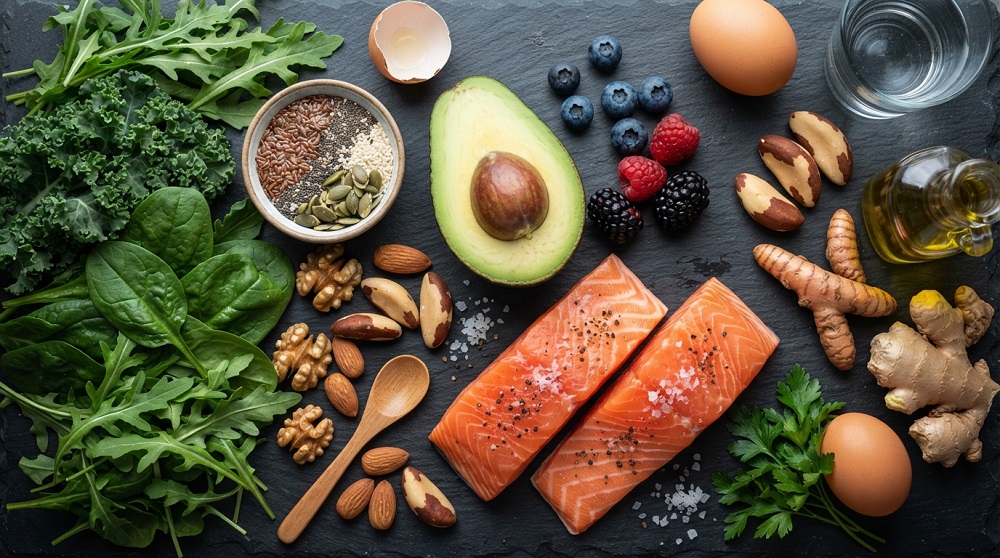
Hormones influence nearly every system in the body — metabolism, mood, energy, reproductive health, and stress response, among others. While hormonal health is influenced by many factors, including genetics, sleep, and stress, nutrition plays a meaningful supporting role. Certain foods and eating patterns can help create a foundation that supports healthy hormonal function.
Understanding the Diet-Hormone Connection
Hormones are produced and regulated through complex biological processes that rely on specific nutrients as building blocks and cofactors. Blood sugar stability, healthy fat intake, and micronutrient adequacy all play roles in supporting the systems responsible for hormone production and regulation.
Healthy Fats for Hormone Production
Why Fat Matters
Many hormones, including estrogen, testosterone, and cortisol, are synthesized from cholesterol and require adequate fat intake to be produced effectively. Overly restrictive low-fat diets can potentially interfere with healthy hormone production.
Beneficial Fat Sources
- Avocados
- Olive oil
- Fatty fish (salmon, mackerel, sardines)
- Nuts and seeds
- Eggs
Protein for Hormone Synthesis
Amino acids from protein serve as building blocks for many hormones and neurotransmitters. Including adequate protein at each meal supports steady blood sugar and provides the raw materials needed for hormone production.
Quality Protein Sources
- Lean meats and poultry
- Fish
- Eggs
- Legumes
- Greek yogurt and cottage cheese
Fiber-Rich Foods for Hormone Regulation
Supporting Estrogen Metabolism
Fiber helps the body eliminate excess hormones, including estrogen, through digestive processes. Diets low in fiber may allow for hormone reabsorption, potentially contributing to imbalance over time.
High-Fiber Options
- Cruciferous vegetables (broccoli, cauliflower, Brussels sprouts)
- Legumes
- Whole grains
- Flaxseeds
Cruciferous vegetables in particular contain compounds that support healthy estrogen metabolism through their effects on liver detoxification pathways. Alongside a nutrient-rich diet, a folic acid supplement amazon may be considered as an additional source of nutritional support when appropriate and recommended by a healthcare professional.
Foods That Support Blood Sugar Stability
Why Blood Sugar Matters for Hormones
Frequent blood sugar spikes and crashes place stress on insulin regulation, which can have ripple effects on other hormones, including cortisol and reproductive hormones.
Blood-Sugar-Friendly Choices
- Whole grains over refined carbohydrates
- Pairing carbohydrates with protein or fat
- Non-starchy vegetables
- Legumes, which combine fiber and protein
Micronutrients That Support Hormonal Health
Magnesium
Involved in hundreds of biochemical reactions, including those related to stress hormone regulation. Found in leafy greens, nuts, seeds, and whole grains.
Zinc
Important for reproductive hormone production and thyroid function. Found in shellfish, meat, legumes, and pumpkin seeds.
Selenium
Plays a key role in thyroid hormone metabolism. Found in Brazil nuts, seafood, and eggs.
Vitamin D
Functions similarly to a hormone in the body and is involved in numerous regulatory processes. Sources include fatty fish, fortified foods, and sun exposure.
Iodine
Essential for thyroid hormone production. Found in iodized salt, seaweed, and dairy products.
Foods and Habits That May Disrupt Hormonal Balance
Excess Added Sugar
Frequent high-sugar intake can contribute to insulin resistance over time, which may have broader effects on hormonal regulation.
Excessive Alcohol
Heavy alcohol consumption can interfere with liver function, which plays a key role in hormone metabolism and clearance.
Highly Processed Foods
Diets high in ultra-processed foods often lack the micronutrients needed for optimal hormone production while contributing to inflammation, which can negatively affect hormonal balance.
Building a Hormone-Supportive Eating Pattern
Rather than focusing on individual “superfoods,” the most effective approach involves an overall eating pattern that includes:
- Adequate protein at each meal
- Healthy fats throughout the day
- High-fiber carbohydrates, particularly vegetables and whole grains
- Minimal added sugar and highly processed foods
- Consistent meal timing to support blood sugar stability
When to Seek Professional Guidance
While diet plays a supportive role, significant hormonal imbalances often require medical evaluation and, in some cases, treatment beyond dietary changes. Symptoms like persistent fatigue, unexplained weight changes, irregular menstrual cycles, or mood changes warrant a conversation with a healthcare provider rather than diet alone.
The Bottom Line
While no single food can single-handedly balance hormones, a diet rich in healthy fats, quality protein, fiber, and key micronutrients provides meaningful support for the body’s hormonal systems. Combined with other lifestyle factors like sleep and stress management, nutrition serves as one important piece of a broader approach to hormonal health.
This article is for general informational purposes and isn’t a substitute for personalized advice from a registered dietitian or physician, particularly for those experiencing symptoms of hormonal imbalance.