Certain nutrient deficiencies occur more frequently in women due to a combination of biological factors, including menstruation, pregnancy, and hormonal fluctuations. Understanding these common gaps can help inform more targeted, effective nutrition choices — though any suspected deficiency should be confirmed through proper testing with a healthcare provider.
Iron Deficiency
Why Women Are More Susceptible
Menstrual blood loss makes women, particularly those with heavier periods, significantly more prone to iron deficiency compared to men. Pregnancy also substantially increases iron requirements to support increased blood volume and fetal development.
Signs of Iron Deficiency
- Fatigue and weakness
- Pale skin
- Shortness of breath
- Brittle nails
- Cold hands and feet
- Difficulty concentrating
Food Sources
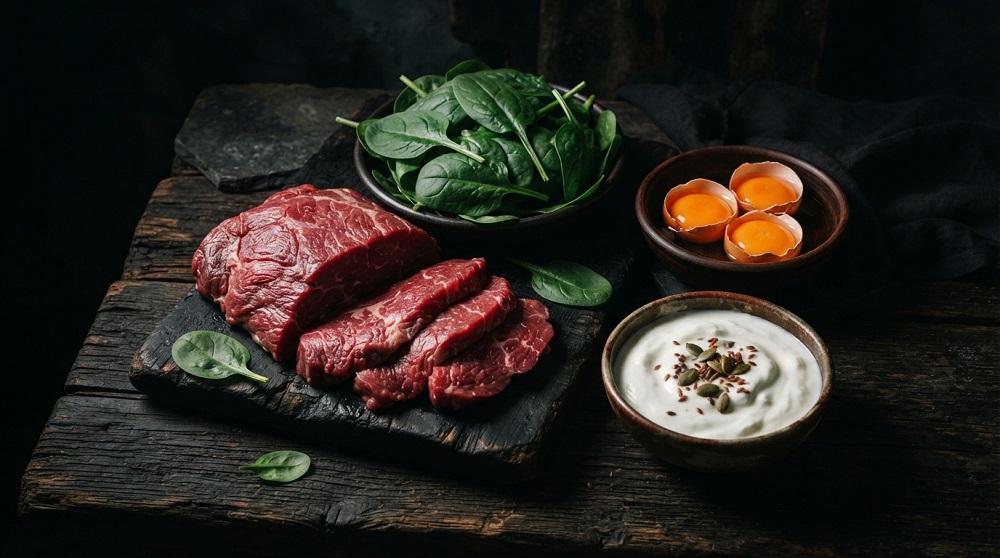
- Red meat and poultry
- Lentils and beans
- Spinach and leafy greens
- Fortified cereals
- Pairing plant-based iron sources with vitamin C (like citrus) improves absorption
Vitamin D Deficiency
Why It’s Common
Limited sun exposure, indoor lifestyles, and geographic location all contribute to widespread vitamin D deficiency, affecting a significant portion of the population regardless of gender, though it’s frequently identified in women during routine health screenings.
Signs of Deficiency
- Fatigue
- Bone pain or muscle weakness
- Mood changes
- Frequent illness
Food Sources
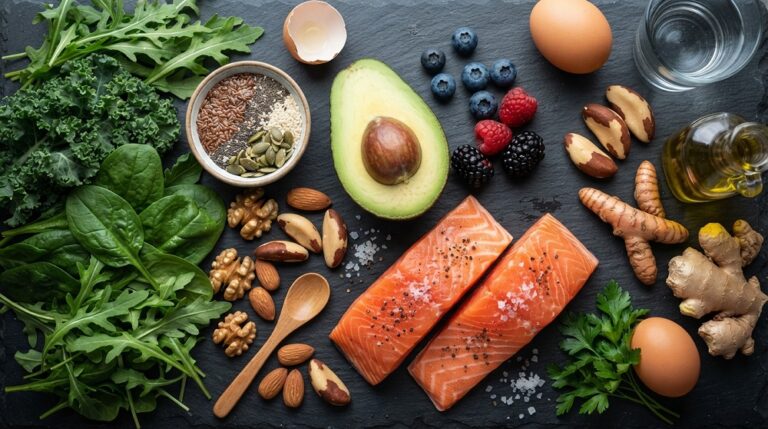
- Fatty fish (salmon, mackerel)
- Fortified milk and plant milks
- Egg yolks
- Sun exposure (with appropriate sun safety precautions)
Many people benefit from supplementation, particularly in regions with limited sunlight, though testing and guidance from a healthcare provider is recommended before starting.
Calcium Deficiency
Why It Matters for Women
Women face a higher lifetime risk of osteoporosis, particularly after menopause when declining estrogen accelerates bone density loss, making adequate calcium intake throughout life especially important.
Food Sources
- Dairy products
- Fortified plant milks
- Leafy greens
- Tofu made with calcium sulfate
- Canned fish with bones (sardines, salmon)
Folate (Vitamin B9) Deficiency
Why It’s Particularly Important
Folate is essential for cell division and is critical during pregnancy for preventing neural tube defects, making adequate intake especially important for women of reproductive age, even before pregnancy is confirmed.
Food Sources
- Leafy greens
- Legumes
- Fortified grains
- Citrus fruits
- Avocado
Vitamin B12 Deficiency
Who’s at Risk
Those following vegetarian or vegan diets are at higher risk, since B12 is found almost exclusively in animal products. Absorption issues, which can become more common with age, also contribute to deficiency risk.
Signs of Deficiency
- Fatigue
- Numbness or tingling in hands and feet
- Difficulty concentrating
- Mood changes
Food Sources
- Meat, fish, and poultry
- Eggs and dairy
- Fortified nutritional yeast or plant milks for those avoiding animal products
Magnesium Deficiency
Why It’s Common
Modern diets high in processed foods often fall short of magnesium needs, and magnesium is involved in numerous bodily processes, including muscle function, mood regulation, and menstrual symptom management.
Food Sources
- Leafy greens
- Nuts and seeds
- Whole grains
- Legumes
- Dark chocolate
Omega-3 Fatty Acid Deficiency
Why It Matters
Omega-3 fatty acids support cardiovascular health, brain function, and may help ease inflammation-related symptoms, including some associated with menstrual cycles.
Food Sources
- Fatty fish (salmon, mackerel, sardines)
- Flaxseeds and chia seeds
- Walnuts
- Algae-based supplements for those avoiding fish
Reducing Deficiency Risk
Eat a Varied, Nutrient-Dense Diet
Prioritizing whole foods across food groups reduces the likelihood of significant nutrient gaps compared to diets heavily reliant on processed foods.
Consider Life Stage Needs
Nutrient requirements shift during pregnancy, breastfeeding, and menopause, making it worthwhile to reassess dietary needs during these transitions.
Get Regular Screening
Routine bloodwork can identify deficiencies before they become symptomatic, allowing for proactive dietary adjustments or supplementation as needed.
When to Consider Supplementation
While a balanced diet is the foundation for meeting nutrient needs, certain life stages or dietary patterns may warrant supplementation. This decision is best made in consultation with a healthcare provider, based on individual bloodwork and health history, rather than through self-diagnosis.
The Bottom Line
Certain nutrient deficiencies occur more commonly in women due to biological and lifestyle factors, particularly related to menstruation and reproductive health. Understanding these common gaps — and confirming any suspected deficiency through proper testing — supports more targeted, effective nutrition strategies.
This article is for general informational purposes and isn’t a substitute for personalized advice from a registered dietitian or physician. Always consult a healthcare provider before starting any supplement regimen.