
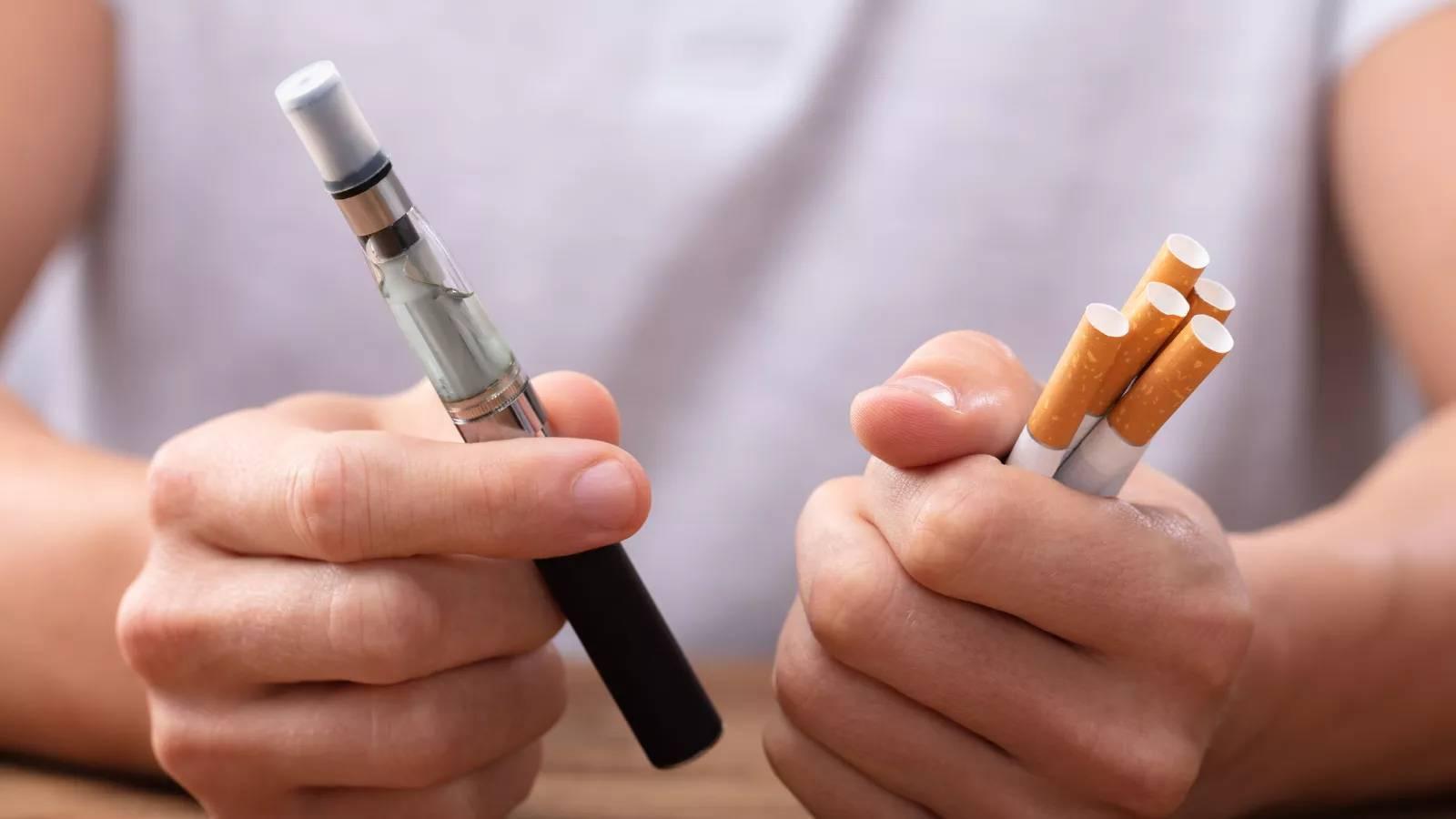
Smoking and vaping are often discussed together, but they are not identical. Both involve inhaling substances into the lungs, yet the products, processes, chemical exposure, and potential health effects can differ considerably.
Understanding these differences is important for making informed decisions. It is also worth remembering that vaping is not risk-free, and nicotine can be addictive. For people who do not smoke or use nicotine, starting to vape is not considered a healthy choice.
What Is Traditional Smoking?
Traditional smoking generally involves burning tobacco and inhaling the resulting smoke.
Combustion produces smoke containing thousands of chemicals, including many substances that can damage the lungs and cardiovascular system. Cigarette smoking is strongly associated with serious diseases, including lung cancer, heart disease, stroke, and chronic obstructive pulmonary disease.
One of the defining characteristics of smoking is combustion. Tobacco is burned at high temperatures, producing smoke that carries chemicals into the respiratory system.
This makes traditional cigarettes fundamentally different from electronic vaping devices.
What Is Vaping?
Vaping involves an electronic device that heats a liquid to create an aerosol that the user inhales. The liquid may contain nicotine, flavourings, and other ingredients, depending on the product.Vaping involves an electronic device that heats a liquid to create an aerosol that the user inhales. The liquid may contain nicotine, flavourings, and other ingredients, depending on the product. Modern vaping products come in different formats, including prefilled pod systems such as the HYOLA Pro Max 8000 Prefilled Pod Kit, which uses a rechargeable device and replaceable prefilled pods.
Unlike a conventional cigarette, a vape device does not burn tobacco to create smoke.
However, this does not mean that vaping is harmless.
Vape aerosols can contain nicotine and other potentially harmful substances, and the long-term health effects of vaping continue to be studied.
The differences between smoking and vaping therefore need to be understood without treating either activity as risk-free.
Smoking vs Vaping: The Main Differences
| Factor | Smoking | Vaping |
| Main process | Burns tobacco | Heats e-liquid |
| Produces | Smoke | Aerosol |
| Tobacco combustion | Yes | No |
| Nicotine | Usually present | Often present, depending on product |
| Exposure to chemicals | High number of chemicals from tobacco smoke | Exposure to chemicals in aerosol can vary |
| Health risk | Well-established serious health risks | Not risk-free; long-term effects are still being studied |
| Addiction potential | High when nicotine is present | Can be high when nicotine is present |
The most important distinction is the difference between burning tobacco and heating an e-liquid.
Why Combustion Matters:
Combustion is central to understanding the difference between cigarettes and many vaping products.
When tobacco burns, the combustion process generates smoke containing carbon monoxide, tar, and numerous other chemicals. Many of the serious health consequences associated with smoking are linked to exposure to these substances.
Vaping devices operate differently because they heat a liquid rather than burning tobacco.
This difference can change the types and quantities of chemicals to which a user is exposed. However, it does not remove health concerns associated with inhaling an aerosol.
Does Vaping Mean Better Wellness?
This is where the word wellness needs careful consideration.
Wellness generally involves broader lifestyle factors such as:
- Regular physical activity
- Adequate sleep
- Balanced nutrition
- Stress management
- Healthy social connections
- Preventive healthcare
- Avoiding harmful substance use
Vaping should not be presented as a wellness activity.
For an adult who already smokes cigarettes, switching completely away from combustible tobacco to vaping may reduce exposure to some harmful chemicals compared with continuing to smoke, according to public-health guidance such as that from the UK’s NHS. However, vaping still carries risks and is not appropriate for non-smokers.
The distinction between relative risk and no risk is therefore important.
Nicotine Is an Important Part of the Discussion:
Many cigarettes and vaping products contain nicotine.
Nicotine is highly addictive and can lead to dependence. Regular use can make stopping difficult, regardless of whether nicotine is delivered through smoking or vaping.
People sometimes focus heavily on the differences between cigarette smoke and vape aerosol while overlooking nicotine itself.
Understanding nicotine dependence is therefore essential when comparing these products.
Someone considering quitting nicotine may benefit from discussing evidence-based cessation options with a qualified healthcare professional.
How Vaping Products Have Evolved:
Modern vaping devices are very different from some of the earliest electronic cigarettes.
Today’s products can include:
- Compact pod systems
- Refillable devices
- Prefilled pods
- Adjustable-power devices
- Rechargeable batteries
- Digital displays
- Different coil technologies
Pod systems have become particularly common because they tend to be compact and relatively straightforward to operate.
However, more advanced technology does not necessarily mean a product is safer.
Features such as adjustable power, larger batteries, or different pod designs primarily change the device experience and functionality.
Why Product Information Matters:
Consumers who already use vaping products should understand what they are purchasing.
Important information can include:
- Nicotine concentration
- E-liquid ingredients
- Pod or cartridge compatibility
- Battery specifications
- Manufacturer instructions
- Age restrictions
- Local regulations
For example, adult consumers researching different pod formats may encounter products such as the SMOK Novo 6 Ultra, which combines a pod design with adjustable power and a touchscreen interface.
The key is to distinguish product features from health claims. A more sophisticated device should not automatically be interpreted as a healthier device.
Smoking, Vaping and Exercise:
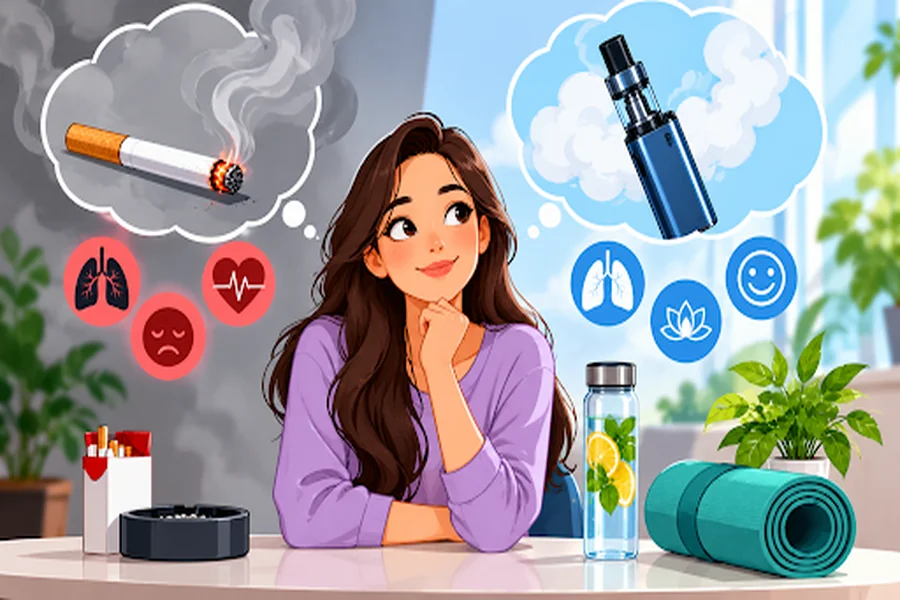
Physical activity is another area where smoking and vaping are sometimes discussed in relation to wellness.
Smoking is well established as harmful to cardiovascular and respiratory health and can impair physical performance.
Vaping does not carry the same combustion-related exposure as smoking, but that does not make it harmless or beneficial for exercise.
People who experience breathing difficulties, chest pain, persistent coughing, dizziness, or other concerning symptoms should seek appropriate medical advice rather than assuming symptoms are simply related to their vaping or smoking habits.
The Importance of Individual Circumstances:
There is no single answer that applies to every person.
Someone who has never smoked has a different risk profile from an adult who currently smokes heavily. Similarly, someone trying to quit nicotine has different needs from someone who does not use nicotine at all.
This is why comparisons should consider the person’s starting point.
For non-smokers, there is no health benefit to starting vaping.
For current smokers, completely switching from combustible cigarettes to vaping may reduce exposure to some harmful substances, but continuing to smoke while also vaping does not provide the same potential risk reduction as switching completely.
How to Think About Wellness More Broadly:
Wellness should not be reduced to a single product or habit.
A genuinely balanced approach considers the entire lifestyle.
For example:
Prioritise Physical Activity
Regular movement supports cardiovascular fitness, strength, mobility, and overall health.
Maintain Good Sleep Habits
Consistent, sufficient sleep is an important part of physical and mental wellbeing.
Eat a Balanced Diet
A varied diet can provide the nutrients the body needs for normal function.
Manage Stress
Healthy coping strategies can help people deal with everyday pressures.
Avoid Tobacco Smoke
Not smoking is one of the most important choices people can make for long-term health.
Seek Professional Advice When Needed
Healthcare professionals can provide personalised guidance, particularly for people trying to quit smoking or nicotine.
Smoking and Vaping Are Not the Same Thing:
The most useful takeaway is that smoking and vaping should not simply be treated as identical activities.
Smoking involves burning tobacco and producing smoke with numerous harmful substances. Vaping heats a liquid to produce an aerosol and generally exposes users to a different mixture of chemicals.
That distinction is scientifically important.
At the same time, different does not mean harmless.
Vaping can expose users to nicotine and other potentially harmful substances, and researchers continue to study its long-term effects.
Final Thoughts:
Smoking, vaping, and wellness are connected topics, but they should not be treated as interchangeable.
Smoking has well-established and serious health risks. Vaping does not involve tobacco combustion, but it still carries health risks and can lead to nicotine dependence.
For anyone who does not currently smoke or use nicotine, avoiding both is the healthiest approach. For smokers who want to quit, evidence-based cessation support can provide a clearer path toward better long-term health.