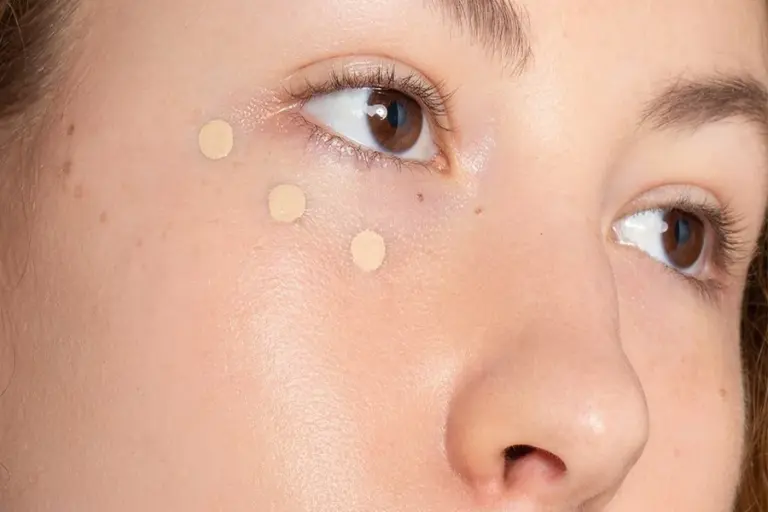

Discoloured skin, dark spots and post-inflammatory spots are typical skincare issues that occur in people across all ages. Although there are similar ingredients that are claimed to brighten skin, few have found widespread acceptance as able to increase pigmentation in a non-activating way. One of the most popular skincare ingredients is Tranexamic Acid as it assists in diminishing the discolouration appearance and promotes a healthier complexion. Whether it is acne scars, sunspots or melasma, having the knowledge about Tranexamic Acid will guide you to choose whether it should fit in your daily skincare routine.
What Is Tranexamic Acid?
Tranexamic Acid is a synthetically modified amino acid lysine. It was initially created in medicine, to assist in minimizing extreme blood loss in some scenarios. Researchers found out with time that it also possesses good advantages to enhance skin discoloration especially when incorporated in topical skin care products with proper direction.
Tranexamic Acid is mainly applied in skincare to minimize the occurrence of hyperpigmentation. It is unique to most conventional brightening ingredients since it assists in disrupting the activities of excess pigment formation as opposed to merely shedding off the skin. This is what makes it an attractive alternative to those that are interested in a more gentle method of dealing with uneven skin tone.
Tranexamic Acid can be encountered nowadays in serums, creams, and treatment products aimed at making the skin look clearer, and dark spots disappear that are difficult to eliminate. It is used commonly together with other products that complement the skin brightness and hydration, to make a complete skincare product that suits most skin types.
How Tranexamic Acid Benefits The Skin
Among the largest causes of the increased popularity of Tranexamic Acid, there is the fact that it allows enhancing the look of dark spots. Following sun exposure, hormonal changes, or skin irritation, hyperpigmentation may occur. Consistently using Tranexamic Acid can slowly decrease these observable spots and establish a more uniform complexion.
The other significant advantage is that it helps individuals affected with melasma. The melasma is a skin disorder, which results in dark spots, usually on the cheeks, forehead, and upper lip. Although treatment typically involves waiting, Tranexamic Acid has become one of the substances that have been suggested as part of a dermatologist-led skincare regimen to address such a condition.
Tranexamic Acid is not known to irritate many types of skin unlike some brightening agents that can be very noticeable when applied to the skin. It can also be used to alleviate the redness attributed to the past skin inflammation and make someone seem more relaxed and healthy.
Since the Tranexamic Acid works on the enhancement of the uneven pigmentation instead of harshly eliminating the layers of the skin, the Tranexamic Acid has become a well-liked option among individuals with the desire to see gradual and consistent changes in their skin tone.
How To Use Tranexamic Acid In Your Skincare Routine
It is quite easy to add Tranexamic Acid to a skincare routine. Most often it can be found in lightweight serums or creams applied after cleansing and in advance of moisturizing. It is used by many people once or twice a day according to the instructions containing the product.
A mild cleansing agent is used to cleanse your skin to eliminate excess oil, dirt and impurities and at the same time not harming the skin barrier. Tranexamic Acid serum should be applied uniformly around the face or where the pigmentation occurs, after cleansing. This should be followed with a humidifier to keep the skin hydrated and prevent the skin barrier.
The most crucial component of every brightening routine is using a sunscreen daily. Pigmentation may be aggravated by exposure to ultraviolet, eliminating the efficacy of treatment products. Using a general-purpose sunscreen in the morning is also a good measure to protect the skin and complement the effects of Tranexamic Acid.
Consistency is essential. Immediate changes are not perceived by most of the people and visibly improvements tend to build over a period of several weeks or months. Regular use of the product with shielding against sunlight to the skin is most likely to achieve long-term improvement.
Ingredients That Work Well With Tranexamic Acid
The good news about Tranexamic Acid is that it may be used in combination with various other skin care products in many instances. Niacinamide is contained in many formulations and enhances uneven skin tone, as well as strengthens the skin barrier. A combination of these ingredients can offer some complementary benefits to a brighter-looking skin.
Another commonly used ingredient that comes along with Tranexamic Acid is Hyaluronic acid as it contributes to hydration and makes the skin comfortable. When skin is hydrated, it tends to react more to active ingredients in skin-care products and is generally smoother in texture.
The other companion ingredient that has gained popularity is vitamin C as it gives antioxidant effect and maintains a brighter skin. But those with sensitive skin might want to apply one active ingredient at a time first before applying a combination of treatments.
Retinoids or light exfoliating acids can also be used with Tranexamic Acid, depending on your skincare routine and dermatologist. It is recommended to introduce such products slowly to reduce chances of irritation and give time to the skin to adapt.
Prudent selection of products and not overloading with active ingredients simultaneously can be a way of having a balanced skincare regimen that promotes a healthy skin.
Who Can Benefit From Tranexamic Acid?
Tranexamic Acid could help many individuals and in particular individuals who have issues with asymmetrical complexion. People who have post-acne spots tend to prefer this ingredient as it aids in reducing the residual discoloration following the healing of the breakout.
Individuals with melasma can also get the benefit of Tranexamic Acid as a component of a dermatologist-prescribed regimen. Other issues that can be more or less improved with regular use are sun-induced pigmentation and age-related dark spots.
Topical Tranexamic Acid is tolerated by most skin types, and is very well-tolerated by normal, oily, combination, and most sensitive skin types. However, the skin of each individual is different. It is always a good practice to conduct a patch test prior to applying a new skincare product.
In case of a persistent pigmentation, serious skin conditions or when you are worried about the active ingredients combining, it is also advisable to visit a dermatologist. Professional guidelines will make sure that Tranexamic Acid is safely and correctly used based on your own skincare requirements.
Final Thought
Tranexamic Acid is now regarded as one of the most admired ingredients to enhance gnarly skin tones and dark spots. The soft nature of its way of controlling pigmentation renders it an effective remedy to the majority of individuals who want gradual outcomes without depending on aggressive exercises.
Even though there is a time lag before improvements are seen, the long-term use of Tranexamic Acid, paired with a daily sunscreen, cleansing, moisturizing and healthy skincare routines help in brighter and more even complexion in the long run. Knowledge about this ingredient can help you make better skin-related choices and create a routine that can help you achieve healthier skin in the future.
FAQs
What is Tranexamic Acid used for in skincare?
Tranexamic Acid is primarily used to reduce the appearance of hyperpigmentation, melasma, acne marks, and uneven skin tone.
Can Tranexamic Acid be used every day?
Yes. Many topical Tranexamic Acid products are designed for daily use according to the manufacturer’s instructions.
How long does Tranexamic Acid take to show results?
Visible improvements often develop gradually over several weeks or months with consistent use.
Can Tranexamic Acid be used with niacinamide?
Yes. Tranexamic Acid and niacinamide are commonly combined in skincare products because they complement each other well.
Is Tranexamic Acid suitable for sensitive skin?
Many people with sensitive skin tolerate Tranexamic Acid well, but a patch test is recommended before regular use.
Do I need sunscreen while using Tranexamic Acid?
Yes. Daily sunscreen is essential because ultraviolet exposure can worsen pigmentation and reduce treatment effectiveness.
Can Tranexamic Acid help with acne scars?
Tranexamic Acid may help improve post-inflammatory dark marks left after acne, but it does not remove deep acne scars or changes in skin texture.