Before incorporating Salicylic Acid Peels into your skincare routine, it is crucial to learn the benefits and adverse effects of this treatment. Salicylic acid peels are very popular to enhance the texture of the skin, clear up pores and lessen the occurrence of blemishes. Just like any active skincare treatment, they have a number of benefits and can have temporary side effects when they are not applied properly. The Suganda Squalane Ceramide Moisturizer is a nourishing product that you can use with your routine to support your skin barrier and keep your skin hydrated post-exfoliation.
Be it the first time using chemical peels or simply to enhance the quality of your current skincare regime, learning more about the mechanisms of action at work can assist you in recording a healthier-looking complexion with an incurring minimal amount of irritation.
What Are Salicylic Acid Peels?
Salicylic acid is a beta hydroxy acid, also referred to as BHA, which acts by pervapating the oil and exfoliating dead skin cells inside the pores. Salicylic acid dissolves the surface oil and debris, unlike physical scrubs which exfoliate the skin surface by friction, and is, therefore, particularly effective on oily and acne-prone skin.
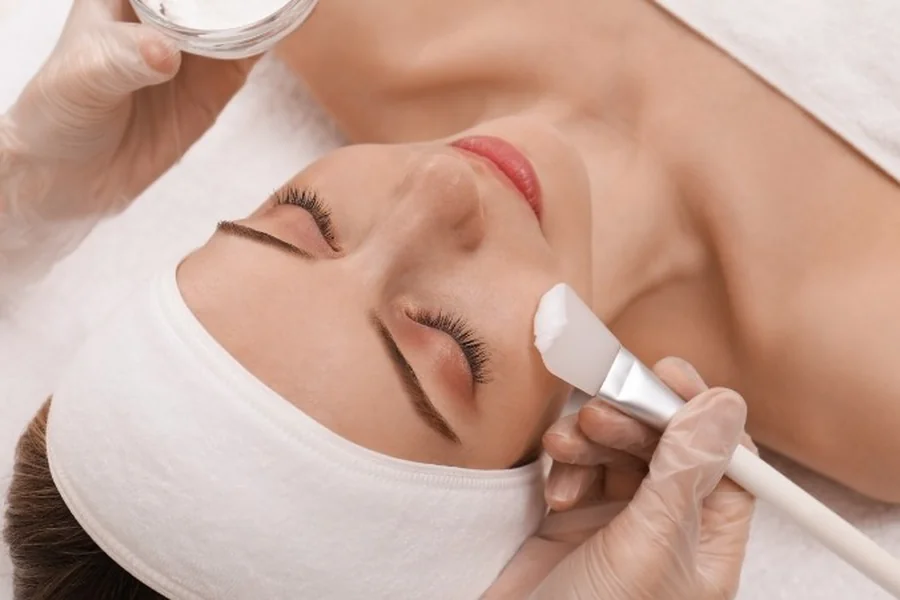
Salicylic acid peels available over the counter have lower concentrations as compared to those in professional salicylic acid peels. These therapies promote skin revival by stripping the skin of the old, decayed cells so that the fresher skin can come out.
Salicylic acid is oil-soluble, which means that it has the ability to enter pores deeper in the skin where sebum and dirt tend to be accumulated. This renders it one of the most widely advised chemical exfoliants to individuals who are undergoing issues of congestion and uneven skin tone.
Though good, these peels must never be used without following products guides or without a qualified skincare professional.
The Benefits of Salicylic Acid Peels
Salicylic acid peels have a variety of benefits when used as a part of a proper skincare regime. Among the greatest advantages is that they tend to remove dead skin cells that may cause the complexion to appear dull. The skin on most people becomes smoother and looks much brighter as new skin overrides the old worn out cells on the surface.
The other significant advantage is enhanced pore clarity. Salicylic acid dissolves any excess oil and helps decongest clogged pores and promote a clearer complexion. Individuals with an oily complexion are usually thankful that such peels may also assist control the surplus sebum, without the harsh cleansing products.
Salicylic acid peels can also enhance the look of rough and uneven skin, small post-acne stains and coarse spots with constant and proper application. Regular exfoliation allows many users to have their skincare products to better absorb, as they do not accumulate on the surface of the skin.
These treatments, together with a balanced skincare routine, can help to achieve healthier-looking skin in the long run.
Understanding the Possible Side Effects
Despite being relatively well-tolerated, salicylic acid peels do have side effects, which are short-lived and become more pronounced with the initial sessions.
Some of the most frequent reactions are mild redness, dryness, peeling, and slight sensitivity. The effects normally become better in a few days when the skin has gone through the natural recovery process.
Individuals with delicate skin have the risk of having greater irritation in case of excessive concentration of peel, or in the case of simultaneous use of other active ingredients. Excessive application of chemical exfoliants may undermine the skin barrier, causing more pain and longer term dryness.
Exfoliation also makes a person sensitive to the sun. Newly-renewed skin is less resistant to UV rays, and sunscreen usage on a daily basis is an indispensable constituent of the post-peel treatment.
Being aware of these short-term effects will enable you to take proper care of your skin to recuperate in the most comfortable way possible.
Why Suganda Squalane Ceramide Moisturizer Is a Good Addition
Following a salicylic acid peel, the skin barrier will enjoy some tender hydration as well as nourishment. Here is where Suganda Squalane Ceramide Moisturizer could be an excellent addition to your skincare routine.
Squalane is also known to assist the skin in retaining moisture without giving the skin a heavy or greasy feel. It helps the skin to become soft and minimize the experience of drying skin that accompanies the process of exfoliation.
Ceramides are equally significant as they aid to enhance the natural skin defense system. A robust skin barrier lowers the loss of moisture, and it helps the skin to restore once active treatments are over.
To avoid discomfort, it is better to apply a moisturizer that contains hydration factors and those that support the barrier, which can be used to provide the skin with natural recovery.
Instead of applying a variety of products, having a gentle moisturizer always available to use is usually just the reinforcement that your skin requires after the exfoliation process.
Tips for Using Salicylic Acid Peels Safely
Using salicylic acid peels is the most safe method to achieve the benefits of the treatment by using them in small doses and as per the instructions.
Do not use chemical peels with a number of other strong active ingredients within the same day. Retinoid products, other exfoliating acids, and harsh scrubs can augment the irritability, when they are combined.
It is recommended to keep hydration the focus before and after a peel. Skins that are well moisturized tend to exfoliate more conveniently as compared to those that are already dry or have been damaged.
Sunscreen on a daily basis is also imperative. As newer skin cells are shown in exfoliation, avoiding the ultraviolet exposure of skin cells can be useful in preventing unwarranted skin irritation and long-term skin health.
And when you are undergoing professional chemical peels, take special care in taking the aftercare recommendation of the skincare expert. Allowing time between treatments to give your skin time to recover will help to ensure that the skin is able to heal effectively and minimize the chances of over-exfoliation.
Building a Balanced Skincare Routine
The list of products required to make a healthy skincare routine does not have to be extensive. Light cleaning, frequent moisturizing, sun protection, and infrequent exfoliation frequently have long-term great outcomes.
Use a soothing cleanser that is not harsh and removes dirt and oils without drying out the skin. Use a moisturizer that aids in keeping skin hydrated and strong. Always use broad-spectrum sunscreen at the end of your routine in the daytime.
When it comes to adding salicylic acid peels to your routine, it is important to schedule them correctly and not to use active ingredients that may cause unwanted overlaps.
Listening to the skin is one of the best habits that you can build. In case your skin is too sensitive, it is possible to reduce the number of exfoliation to bring the balance back.
Regularity with mild skincare tends to achieve higher success than using a variety of products or applying several things simultaneously.
Read More: How to Stay Healthy While Working From Home
Final Thought
Knowing Salicylic Acid Peels Benefits And Side Effects will enable you to make informed choices regarding your own skin care regime. With the right use, these peels are capable of enhancing the texture of the skin, decreasing pore-blocked pores, and aiding in a clearer skin tone. Meanwhile, temporary dryness and sensitivity are considerations that can be deemed normal, but should not be ignored.
Suganda Squalane Ceramide Moisturizer should be used at the end of the day to aid in the process of hydration and strengthening the skin barrier, thus, the recovery can be more comfortable. Together with mild cleansing, adequate protection under the sun, and regular skin care routines, this balanced plan can assist you in keeping your skin healthier-looking, well into years.
FAQs
What are salicylic acid peels used for?
Salicylic acid peels are commonly used to exfoliate the skin, unclog pores, improve skin texture, and support a clearer complexion.
Are salicylic acid peels suitable for all skin types?
They are often recommended for oily and acne-prone skin, but people with sensitive skin should consult a skincare professional before using stronger peel treatments.
What are the most common side effects of salicylic acid peels?
Temporary redness, peeling, dryness, and mild sensitivity are common and usually improve within a few days.
Why should I use Suganda Squalane Ceramide Moisturizer after a peel?
The moisturizer helps hydrate the skin and supports the skin barrier with ingredients such as squalane and ceramides during recovery.
How often should salicylic acid peels be used?
The ideal frequency depends on the peel strength and your skin type. Always follow the product instructions or the advice of a skincare professional.
Do I need sunscreen after a salicylic acid peel?
Yes. Daily sunscreen is essential because newly exfoliated skin is more sensitive to ultraviolet rays and requires additional protection.