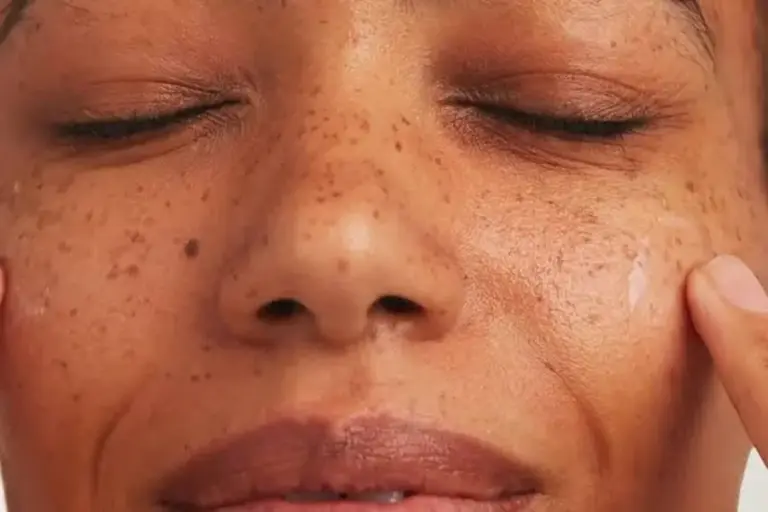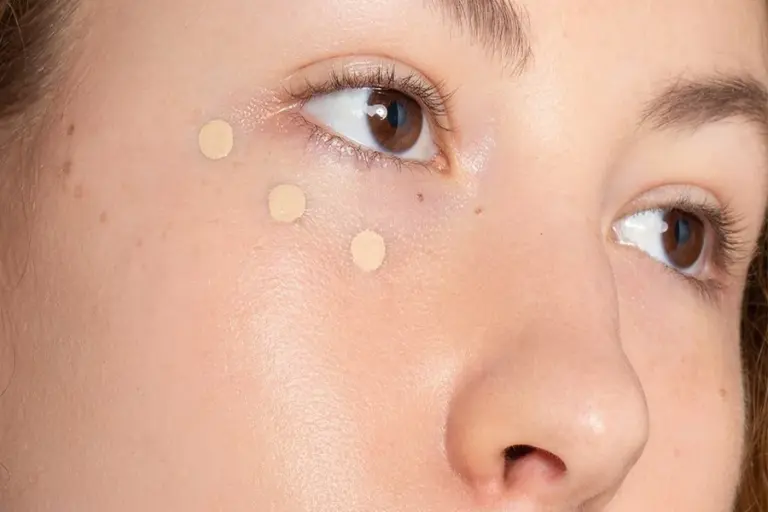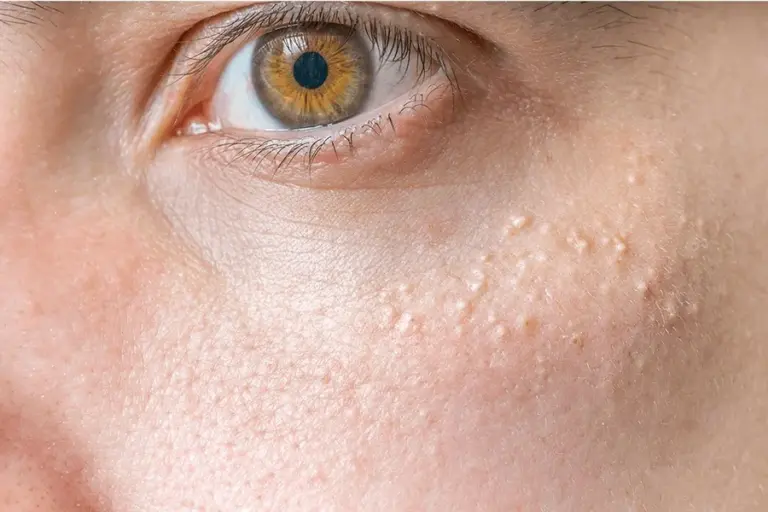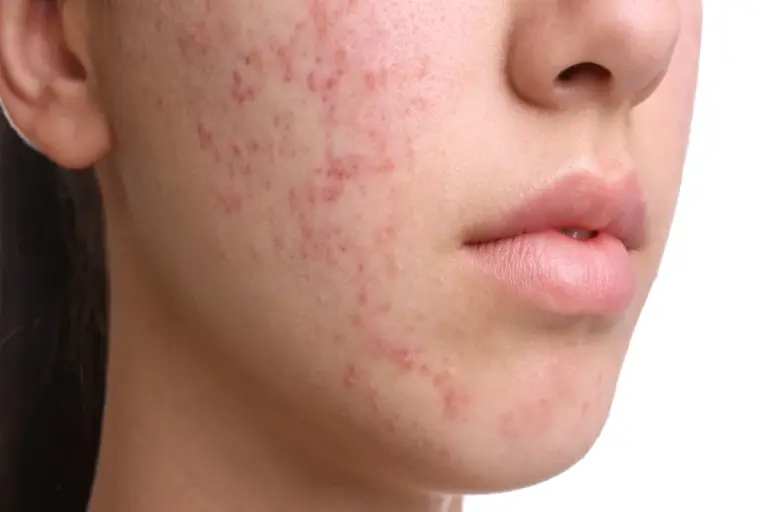

How To Get Rid Of Dark Spots on your face is a concern that most people pose after realizing that there are stubborn spots that stay long after acne is cured or after spending too much time in the sun. The spots may give the skin an uneven look and impact confidence, although they can be cleared after regular skincare and healthy habits. The correct dark spot face care routine is one of the best options to embrace clearer and brighter-looking skin.
Dark spots are seldom disappearing overnight. They tend to fade slowly as the skin also rejuvenates and hence patience and consistency is as vital as the products you apply. Knowing the reasons behind the formation of dark spots is the initial step towards the correct choice of treatment and preventing the emergence of new ones.
What Causes Dark Spots on the Face?
Dark spots arise when some parts of the skin have more melanin than the rest of the skin. Melanin is the color of our skin that will be produced by the natural pigment, and there are various things that can cause its overproduction.
Among the most frequent causes, there are acne scars and post-inflammatory hyperpigmentation, long periods of exposure to the sun, hormonal alteration, aging, skin irritation, or trauma, and certain drugs. Though these spots are most commonly harmless, they tend to take weeks or even months to dissipate. Determining the root of the problem can assist you to select the most appropriate skincare process and to create achievable objectives to enhance.
Effective Ways to Reduce Dark Spots
Dark spots need a mix of specific skincare and daily routine that will improve the dark spots.
Products developed to brighten uneven skin color can help lessen the discoloration with time. Vitamin C, niacinamide, alpha arbutin, azelaic acid and gentle exfoliating acids are some of the commonly found ingredients in skincare products intended to serve this purpose.
Sunscreen every day is also important. The ultraviolet rays boost the synthesis of melanin, giving the spots already present a darker color and leading to the development of new spots.
Standard face care regimen frequently consists of a mild facial cleanser, skin-enhancing serum, a hydrator, and a sunscreen with a wide spectrum of protection every morning. Routinely washing your skin will ensure you give it a chance to renew and take care of it so that it is not damaged any more.
Daily Habits That Support Clearer Skin
Wholesome habits that you live in every day have a great influence on the rate at which dark spots are getting better.
Do not pick or squeeze acne, since this makes the skin more inflamed and usually causes discoloration to last longer.
Clean your face and not harshly because irritation will cause more coloring to develop.
Be hydrated during the day and consume a balanced diet that is balanced, and high in fruits, vegetables and antioxidant rich foods that promote healthy skin.
Adequate sleep also enables the skin to regenerate at night, whereas controlling stress can possibly limit the number of acne eruptions that can cause new blackheads.
Little life modifications and a regular skincare routine are usually more effective in the long-term than using one product.
Common Mistakes That Make Dark Spots Worse
It is easy to make simple skin care mistakes that delay progress among many people without their knowledge.
One of the largest causes that dark spots are left is skipping sunscreen. Pigmentation can be enhanced even in a short time under UV light.
Excessive application of vigorous elements of skin care can irritate the skin and cause a slow healing process.
Another usual error is the expectation of immediate outcomes. The process of skin renewal is a long process and thus the results can most often be observed after multiple weeks or months.
Too frequent product changes also complicate the effort to figure out what is working.
Last, attacking dark spots with aggressive, over-exfoliating products or extreme products may weaken the skin barrier and aggravate the complexion rather than enhance it.
When to Seek Professional Treatment
Although most of the dark spots are treated effectively with home skincare, there are instances that would not be well treated without professional advice.
In case your dark spots remain dark, alter their appearance, or fail to improve following weeks of regular skincare, it is advisable to call on a dermatologist.
Depending on the type of skin that you have, and the cause of the pigmentation, the professionals can offer chemical peels, laser treatment, prescription creams or any other process.
A dermatologist also has the ability to establish whether the discoloration is pigmental or it is related to another disease of the skin which needs a different intervention.
Final Thought
Learning How To Get Rid Of Dark Spots On Your Face will start by learning the causes and developing a regular skincare regimen. An easy cleanser, brightening components, daily moisturizer, and trustworthy sunscreen provide the basis of quality dark spot face care. Although pigment fade is a lengthy process, with patience and good skin care habits, results may be seen. You can contribute to a brighter, smoother, and more even-looking skin by ensuring that your skin is not damaged any more and by remaining consistent with your routine.
FAQs
What causes dark spots on the face?
Dark spots are commonly caused by acne scars, sun exposure, hormonal changes, aging, and skin inflammation that increases melanin production.
How long does it take for dark spots to fade?
The timeline varies depending on the cause and severity. Mild dark spots may improve within a few weeks, while deeper pigmentation can take several months.
Does sunscreen help reduce dark spots?
Yes. Daily sunscreen prevents existing dark spots from becoming darker and helps reduce the risk of developing new pigmentation.
Can Vitamin C help brighten dark spots?
Vitamin C is widely used in skincare because it supports brighter skin and may gradually reduce the appearance of uneven pigmentation.
Should I exfoliate every day to remove dark spots?
No. Over-exfoliating can irritate the skin and worsen pigmentation. Gentle exfoliation a few times a week is usually more effective.
When should I see a dermatologist for dark spots?
If dark spots continue to change, become darker, or do not improve after consistent skincare, it is best to seek professional advice from a dermatologist.