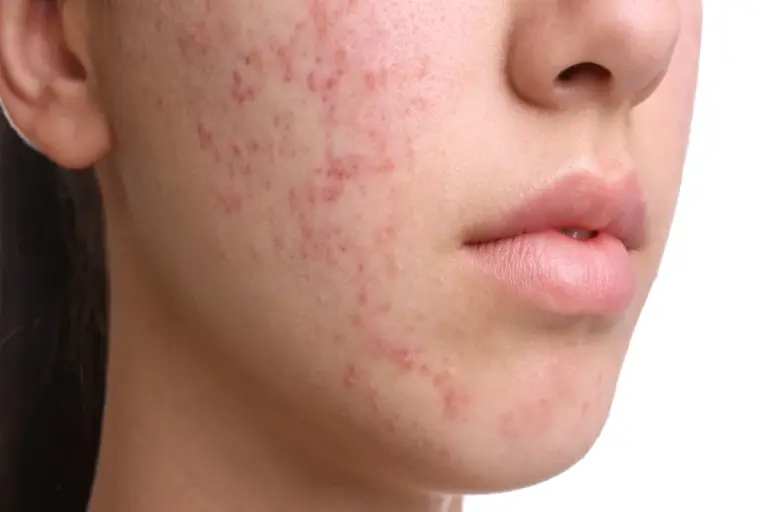
Acne can be considered one of the most widespread skin disorders that can be experienced by people of any age. As most people think all the breakouts are similar, in fact, there are various types of acnes, and each of them needs a slightly different approach to treatment. This is because knowing the kind of acne will guide you in selecting the best skincare products and prevent habits that can aggravate your skin. This guide describes 5 Different kinds of acne which you should know, their feature, and some useful tips to handle each of these in day-to-day life.
Understanding the Different Types of Acne
The onset of acne results in the clogging of hair follicles caused by oil, dead skin cells and bacteria. Breakouts can be caused by hormonal changes, genetics, stress, some medications and lifestyle habits. Even though acne usually develops on the face, it can extend to the chest, shoulders and back.
Not all the blemishes appear and act in the same way. Others are small and painless whereas some swell up, get inflamed, and uncomfortable. Determining the type of acne is the initial step to successful treatment.
5 Types Of Acne You Should Know About
Whiteheads
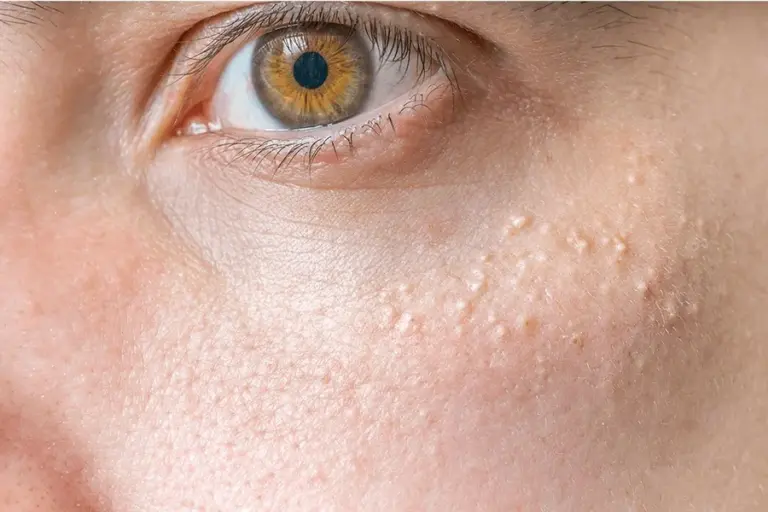
The whiteheads or closed comedones are known to develop when the pores are filled with both oil and dead skin cells but they do not break on the surface. They present as small bumps, which are white or flesh coloured, and are not normally painful.
The pore is not open so that the material trapped is not exposed to air: that is why the bump does not turn dark, but it remains white. One can prevent new whiteheads by gentle cleansing and products with salicylic acid or retinoids.
Blackheads
Open comedones are called blackheads. The pore is not sealed like the whiteheads and the trapped oil and skin cells can interact with oxygen. The dark appearance is a result of this oxidation, and not dirt.
Blackheads usually populate the nose, chin, forehead and occasionally the back or chest. Consistent peels with substances such as salicylic acid could be used to ensure that pores are kept clean and minimized.
Papules
Papules are inflamed, small, reddish red bumps that form in areas where the clogged pores are irritated. The papules do not contain observable pus as opposed to blackheads and whiteheads.
When touched, they may be tender and to be squeezed is not acceptable as it complicates inflammation and predisposes scarring. This type of breakout is generally advised to proceed with gentle skincare and anti-inflammatory acne treatment.
Pustules
Pustules are pimples with pus which are inflamed. They are usually white or yellow at the center with a red and swollen skin around. These are what people usually have in mind when they think of a typical pimple.
Whereas it is tempting to pop them, this may spread bacteria and slow down the healing process. Benzyl peroxide or salicylic acid spot treatment can be used to help reduce inflammation and prevent subsequent breakouts.
Nodules and Cysts
The worst types of acne are nodules and cystic acne. These scars form deep beneath the skin and frequently painful. Nodules are usually hard and have no visible pus, whereas cysts are softer since they include fluid and inflammatory contents.
Severe breakouts stand high chances of being left with permanent scars when they are not treated. Dermatologists usually prescribe drugs or medical procedures to control this form of acne.
Read More: Squalane Cleansing Oil: A Gentle Way to Clean Healthy Skin
Common Causes of Acne Breakouts
There are various causes of acne, and the knowledge of these factors can minimize future acne.
The hormonal changes are associated with enhanced production of the oil which therefore makes acne particularly prevalent in puberty, during pregnancy and during some adulthood. Genetics also play a role in determining the possibility of one developing prolonged acne.
Overproduction of oil, the accumulation of dead skin cells, and bacteria that cause acne combine to clog pores. Stress itself may not be a direct cause of acne, but can exacerbate the current breakout due to changes in hormone levels.
The lifestyle habits are important, too. Tight clothes, creams that block pores in the skin and not washing off the sweat after exercise are all sources of body acne.
Tips for Managing Different Types of Acne
Acne takes time to be treated and consistently. Use a mild cleanser that cleans and does not deprive the skin of its natural moisture.
Use non-comedogenic-labeled products to minimize the possibility of clogged pores. Salicylic acid, benzoyl peroxide, and others are used to clear clogged pores, and acne-causing bacteria respectively. Retinoids could also enhance the process of cell replacement and prevent the occurrence of breakouts.
1 Do not touch or pick at pimples, this may cause more inflammation and scars. A healthy skin can also be maintained by the use of a balanced skincare and avoiding overexposure to the sun, which may lead to the aging of the skin.
In severe or stubborn acne, a visit to a dermatologist can prove to be the most desirable. With professional advice, you will be given treatments that are relevant to your skin and how serious your condition is.
Final Thought
Knowing the kinds of acne is simpler to select the correct treatment and prevent needless irritation. There are 5 made types of acne, which are whiteheads, blackheads, papules, pustules and nodules or cysts, each possessing distinct characteristics and treatment requirements. With proper skin diagnoses and a regular skin care, you can make your skin look better and minimize subsequent flare-ups. In case the over-the-counter remedies fail to work out, it may be worthwhile to consult a professional so that you can attain healthier, clearer skin.
FAQs
What are the main types of acne?
The main types of acne include whiteheads, blackheads, papules, pustules, nodules, and cysts.
Which type of acne is the most severe?
Nodular and cystic acne are considered the most severe because they develop deep beneath the skin and may cause permanent scarring.
Can different types of acne appear at the same time?
Yes. Many people experience a combination of whiteheads, blackheads, inflamed pimples, and deeper breakouts simultaneously.
How can I identify the type of acne I have?
You can identify acne by its appearance, size, level of inflammation, and whether it contains pus. A dermatologist can provide a more accurate diagnosis if needed.
Do all types of acne require the same treatment?
No. Different types of acne respond better to different treatments, so identifying the specific type can help you choose the most effective skincare products or medications.