
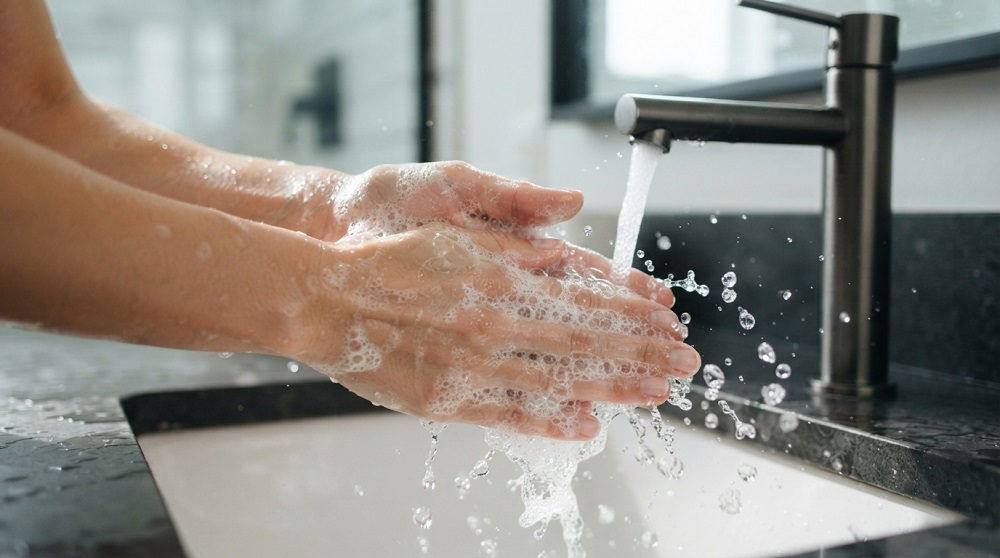
It’s one of the simplest health habits available, yet consistently overlooked or rushed through: washing your hands. Proper hand hygiene remains one of the most effective, low-cost strategies for preventing the spread of infectious illness — from the common cold to more serious infections.
How Germs Spread Through Hands
Hands come into contact with countless surfaces throughout the day — doorknobs, phones, shared keyboards, public transportation, and more. Many of these surfaces harbor bacteria and viruses, which can then transfer to the eyes, nose, or mouth through routine touching of the face, creating a direct pathway for infection.
Why Hand Hygiene Matters
Preventing Common Illnesses
Proper handwashing significantly reduces the spread of respiratory illnesses, including colds and flu, as well as gastrointestinal illnesses caused by contaminated food or surfaces.
Reducing Healthcare-Associated Infections
In healthcare settings, hand hygiene is one of the most critical practices for preventing the spread of infections between patients and healthcare workers, given the frequent contact with vulnerable individuals.
Slowing Community Disease Transmission
Consistent hand hygiene practices across a population can meaningfully slow the spread of contagious illnesses, reducing strain on healthcare systems during outbreaks and flu season.
When to Wash Your Hands
Certain moments carry a particularly high risk of germ transfer and warrant consistent handwashing:
- Before preparing or eating food
- After using the restroom
- After coughing, sneezing, or blowing your nose
- After touching shared or public surfaces
- Before and after caring for someone who is sick
- After handling garbage
- After touching animals or pet waste
- Upon returning home from public spaces
Proper Handwashing Technique
Simply rinsing hands under water isn’t sufficient — proper technique significantly improves effectiveness.
Step-by-Step Method
- Wet hands with clean, running water
- Apply soap and lather thoroughly, including the backs of hands, between fingers, and under nails
- Scrub for at least 20 seconds (roughly the time it takes to hum a short tune twice)
- Rinse thoroughly under running water
- Dry hands using a clean towel or air dryer
Commonly Missed Areas
- Thumbs
- Fingertips and nail beds
- Wrists
- Between fingers
Hand Sanitizer: When It Works and When It Doesn’t
Effective Use Cases
Alcohol-based hand sanitizer (containing at least 60% alcohol) can be an effective alternative when soap and water aren’t available, particularly for reducing the spread of many common viruses and bacteria.
Limitations
Hand sanitizer is less effective when hands are visibly dirty or greasy, and it doesn’t eliminate all types of germs as effectively as proper handwashing with soap and water. It’s best used as a supplement rather than a full replacement for handwashing when possible.
Common Hand Hygiene Mistakes
Washing Too Quickly
Rushing through handwashing in just a few seconds significantly reduces its effectiveness compared to the recommended 20-second duration.
Skipping Soap
Soap helps break down the outer layer of many viruses and lifts germs from the skin’s surface, making it far more effective than water alone.
Touching the Face After Washing
Re-contaminating hands by touching the face, phone, or other frequently touched surfaces immediately after washing can undo much of the benefit.
Inconsistent Practice
Hand hygiene is most effective when practiced consistently, particularly during high-risk moments like before eating or after being in public spaces.
Building Better Hand Hygiene Habits
Make Handwashing Convenient
Keeping soap accessible in key locations and hand sanitizer available for on-the-go situations removes barriers to consistent practice.
Model the Behavior for Children
Teaching children proper handwashing technique early, and modeling consistent practice, helps establish lifelong habits.
Use Reminders During High-Risk Periods
During flu season or illness outbreaks, being more intentional about handwashing frequency can provide added protection.
The Bottom Line
Hand hygiene remains one of the simplest, most cost-effective tools for preventing the spread of illness. Consistent, proper handwashing — particularly during key moments throughout the day — offers meaningful protection for both individual and community health.