
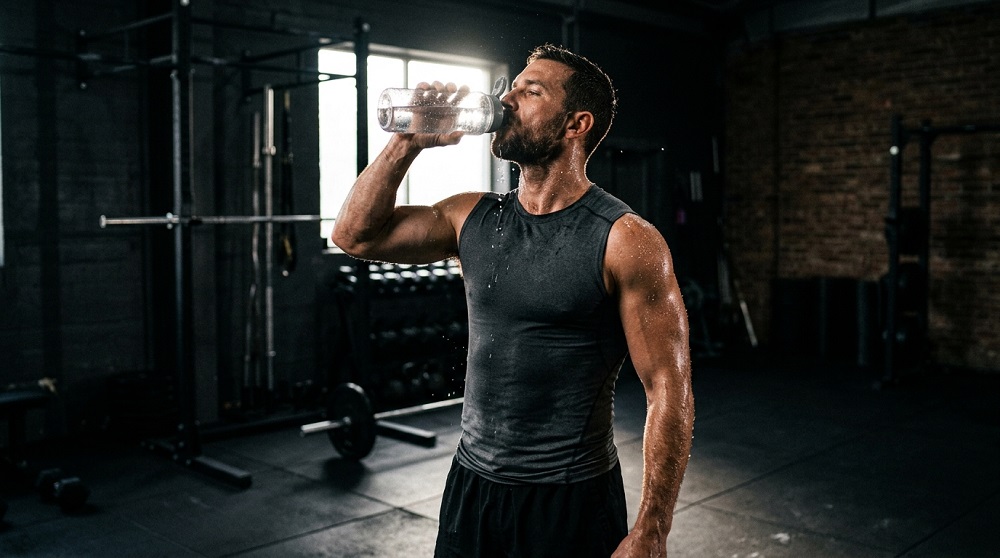
Whether training for strength, endurance, or general fitness, active men have distinct nutritional needs that go beyond a standard diet. Fueling the body appropriately supports better performance, faster recovery, and more sustainable long-term results.
Prioritize Adequate Protein Intake
Why Protein Matters for Active Men
Protein provides the building blocks for muscle repair and growth, particularly important for those engaging in regular resistance training or high-intensity exercise.
General Guidelines
Active men, particularly those doing regular strength training, generally benefit from 1.2 to 2.0 grams of protein per kilogram of body weight daily, adjusted based on training intensity and goals.
Quality Protein Sources
- Lean meats and poultry
- Fish, particularly fatty fish like salmon
- Eggs
- Greek yogurt and cottage cheese
- Legumes and lentils
Don’t Neglect Carbohydrates
Fueling Performance
Carbohydrates serve as the body’s primary energy source during moderate-to-high intensity exercise, and adequate intake supports both performance and recovery, particularly for those training frequently or at high intensity.
Choosing Quality Carbohydrates
- Whole grains (oats, quinoa, brown rice)
- Fruits and vegetables
- Legumes
- Timing carbohydrate intake around workouts can further support performance and recovery
Include Healthy Fats
Supporting Hormonal Health
Adequate fat intake supports testosterone production and overall hormonal balance, making it an important component of an active man’s diet rather than something to minimize unnecessarily.
Beneficial Fat Sources
- Avocados
- Olive oil
- Nuts and seeds
- Fatty fish
Timing Nutrition Around Workouts
Pre-Workout Fueling
Eating a balanced meal or snack with carbohydrates and moderate protein 1–3 hours before exercise can support energy levels and performance during training.
Post-Workout Recovery
Consuming protein and carbohydrates within a few hours after exercise supports muscle repair and glycogen replenishment, aiding recovery for the next training session.
Stay Properly Hydrated
Why Hydration Matters for Performance
Even mild dehydration can meaningfully reduce exercise performance and increase perceived effort. Active men, particularly those training in heat or for extended durations, need to pay close attention to fluid intake.
Practical Hydration Tips
- Drink water consistently throughout the day, not just during workouts
- Consider electrolyte replacement during prolonged or intense exercise sessions
- Monitor urine color as a simple hydration indicator
Key Micronutrients for Active Men
Zinc and Magnesium
Both play roles in muscle function, recovery, and testosterone production. Found in nuts, seeds, legumes, and lean meats.
Vitamin D
Supports bone health, immune function, and may play a role in testosterone regulation. Sources include fatty fish, fortified foods, and sun exposure.
Iron
Important for oxygen transport and energy production, particularly relevant for endurance athletes. Found in red meat, poultry, and legumes.
Omega-3 Fatty Acids
Support recovery by helping manage exercise-induced inflammation. Found in fatty fish, walnuts, and flaxseeds.
Meal Planning for Consistency
Prepare Ahead
Batch cooking proteins, grains, and vegetables in advance makes it easier to consistently meet nutritional needs, particularly on busy training days.
Balance Each Meal
Aiming for a combination of protein, complex carbohydrates, healthy fats, and vegetables at each meal supports sustained energy and recovery throughout the day.
Avoiding Common Nutrition Pitfalls
Under-Fueling
Some active men unintentionally under-eat relative to their activity level, which can hinder performance, recovery, and muscle growth over time.
Relying Too Heavily on Supplements
While certain supplements like protein powder can be convenient, they should complement — not replace — a foundation of whole, nutrient-dense foods.
Neglecting Recovery Nutrition
Focusing solely on pre-workout fueling while neglecting post-workout nutrition can limit recovery and long-term progress.
Adjusting Nutrition to Training Goals
Nutritional needs vary depending on specific goals, whether building muscle, improving endurance, or maintaining general fitness. Tailoring protein, carbohydrate, and overall calorie intake to match training demands and goals supports more effective, personalized results.
The Bottom Line
Active men benefit from a nutrition approach that prioritizes adequate protein, sufficient carbohydrates for energy, healthy fats for hormonal support, and proper hydration. Thoughtful meal timing and consistent, balanced eating provide the foundation needed to support performance, recovery, and long-term training progress.
This article is for general informational purposes and isn’t a substitute for personalized advice from a registered dietitian or sports nutrition professional.