Post Inflammatory Erythema What It Is And How To Treat It is one of the issues that numerous individuals search after noticing the existence of persistent red coloring that is left by acne or skin irritation. These red spots may last long after a break-out has healed giving the appearance that the acnes is still there. Learning what triggers these marks and finding the appropriate post inflammatory erythema treatment can aid in making your skin look better with time.
In contrast to dark spots, which are due to overload of pigment, post-inflammatory erythema is associated with small blood vessels that do not disappear after inflammation. These marks can naturally fade, but a regular skincare regimen and good skin practices can assist in the healing process.
What Is Post Inflammatory Erythema?
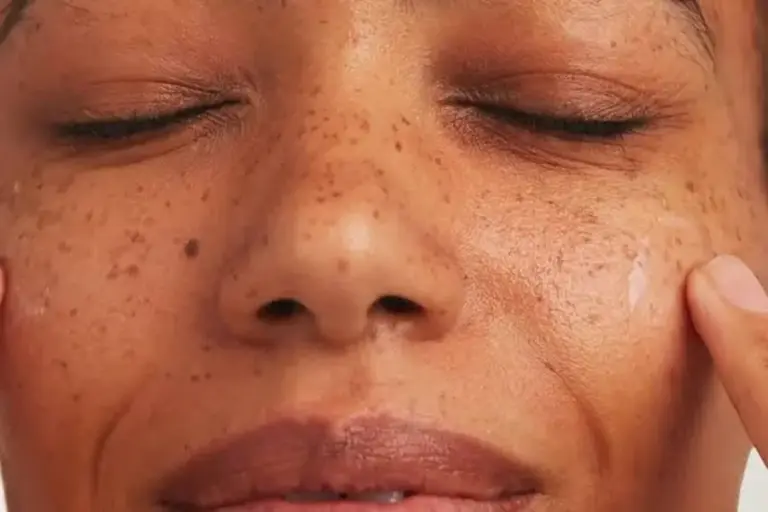
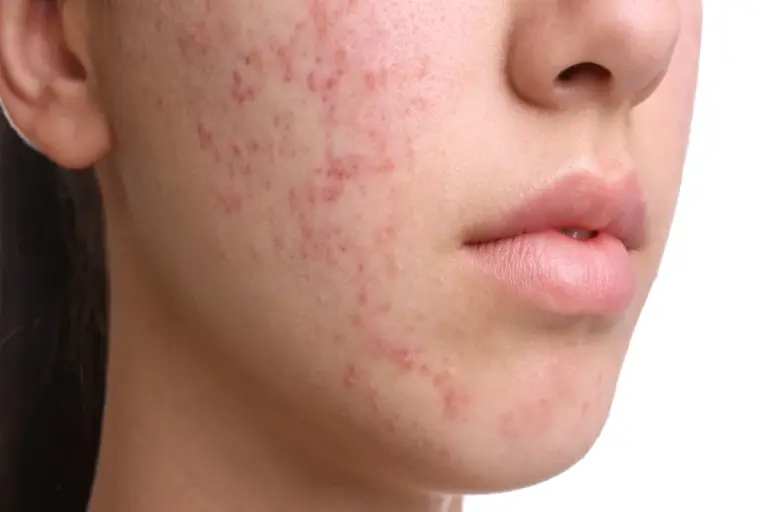
Post-inflammatory erythema, also known as PIE, are the red, pink or purple spots that are left following an acne, skin injury, or irritation. These are more prevalent in individuals of lighter skin complexion though it can happen to any individual.
PIE is an inflammatory process that results in enlargement or damage of small blood vessels close to skin surface. This skin may take a few weeks or months before these blood vessels fade even after acne has cleared.
As opposed to post-inflammatory hyperpigmentation that relates to high-melanin production, erythema is associated with blood vessels and not pigment. Due to such a variation, the treatment strategy is also varied.
What Causes Post Inflammatory Erythema?
Post-inflammatory erythema can be caused by several factors.
Inflammatory acne (particularly deep pimples) is the most prevalent cause, which provokes a lot of irritation inside the skin.
The other potential causes are picking or pinching pimples, skin trauma, allergy, harsh skincare products, vigorous exfoliation and some cosmetic operations. The worse the inflammation, the more likely it is that blackness can be experienced after healing.
One of the most effective methods to reduce the risk of long-lasting red marks should be the reduction of inflammation at early stages.
Effective Post Inflammatory Erythema Treatment Options
The right post inflammatory erythema therapy aims to soothe inflammation, safeguard the skin barrier, and give the skin time to heal itself.
The regimen may start with a mild skincare routine. Applying a light cleanser, and a moisturizer, which aids in keeping skin hydrated, can lessen further irritation.
Sunscreen daily is also essential since the exposure to ultraviolet radiation can cause the healing process to be more gradual and discoloration of the skin to become more visible.
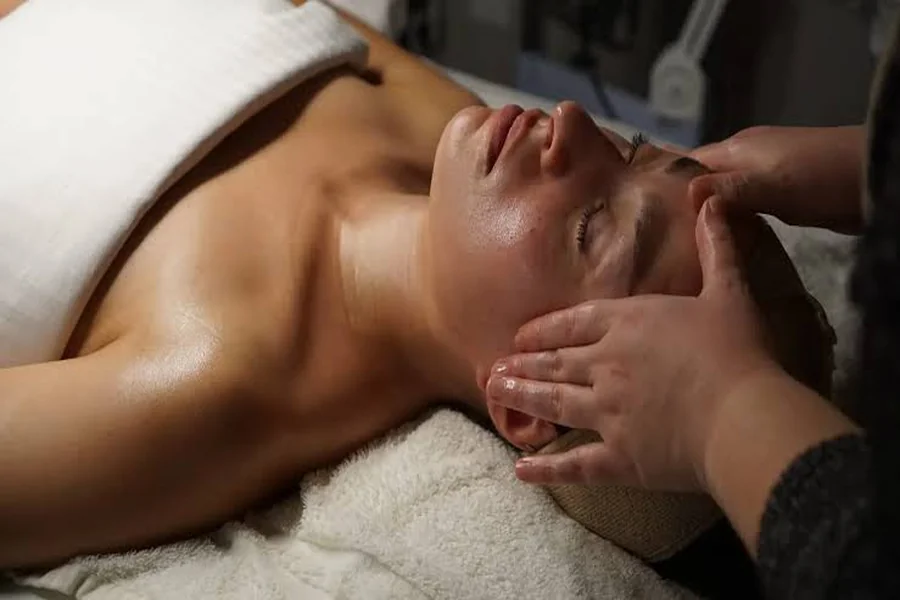
Niacinamide, azelic acid, Centella Asiatica, panthenol, and ceramides are some skincare ingredients that are often utilized as aid to recovery. In more severe cases, a dermatologist can suggest specialized interventions, including using vascular laser therapy, which targets vascular coloration in particular.
No matter the method of treatment, consistency is paramount since post-inflammatory erythema can develop slowly, and not instantly.
Skincare Habits That Support Recovery
It is crucial to take healthy skincare measures so that red marks can fade with time.
Do not pick at acne lesions, which will serve to raise inflammation and extend the healing process.
Look at mild skincare products that reinforce the skin barrier instead of skincare products that make the skin excessively dry or irritated.
Wet the skin immediately after cleansing so as to keep it hydrated and help in repairing the skin.
Wearing sunscreen in the morning will protect the healing skin against any environmental damage and shortens the chances of discoloration.
Healthy lifestyle habits such as sleeping well, eating well, stress management, and drinking enough water also come in handy and are a factor to healthier skin.
Patience is also needed since the skin takes time to heal the damaged blood vessels on its own.
Common Mistakes That Can Delay Healing
There are numerous individuals who by accident make decisions that cause an increase in post-inflammatory erythema.
Exfoliants that are harsh should be applied with caution as they can irritate a wound and make it reddish rather than reddening it.
The experience of trying various products simultaneously may make it hard to determine what works and can make one more likely to be irritated.
Omission of sunscreen is another typical error as UV radiation can decelerate the healing process and condition even skin color changes to look more unpleasant.
The touch of acne, rubbing the skin, or excessive washing can also cause further inflammation.
Regularly treating your skin and not subjecting it to excessive stress and strain sometimes yields more lasting outcomes than dramatic treatment.
Final Thought
Post-inflammatory erythema is a natural outcome of acne and skin inflammation, but which tends to fade over time and appropriate skincare. The distinction between redness and pigmentation will assist you in deciding on the best post inflammatory erythema treatment that suits your needs. Healthier-looking skin may be achieved by a mild regimen, daily protection against the sun, the use of products that support and protect the skin, and patience. Although in certain situations it can be necessary to take care of under the guidance of a specialist, in general individuals can gain gradual improvement by adhering to regular skincare routines and preventing avoidable irritation.
FAQs
What is post-inflammatory erythema?
Post-inflammatory erythema is the red or pink discoloration that remains after acne or skin inflammation has healed. It is caused by changes in small blood vessels rather than excess skin pigment.
How is post inflammatory erythema different from hyperpigmentation?
Post-inflammatory erythema involves visible blood vessels, while hyperpigmentation results from excess melanin production. The two conditions often require different treatment approaches.
How long does post-inflammatory erythema take to fade?
Recovery varies from person to person. Mild cases may improve within a few weeks, while more noticeable redness can take several months to fade.
Does sunscreen help with post inflammatory erythema treatment?
Yes. Daily sunscreen helps protect healing skin from UV damage and supports the natural recovery process.
Can I treat post-inflammatory erythema at home?
Many mild cases improve with a gentle skincare routine, proper hydration, and ingredients that support the skin barrier. Persistent redness should be evaluated by a dermatologist.
Should I pick acne if I want to prevent post-inflammatory erythema?
No. Picking or squeezing acne increases inflammation and raises the likelihood of developing long-lasting redness and other skin marks.