Discover Your Type Of Pigmentation Different Types Of Hyperpigmentation Explained is a good beginning point to anyone interested in better understanding the causes behind the dark spots on the skin. One of the most popular skincare issues is hyperpigmentation; this condition may impact individuals of any age and skin tone. Being familiar with the various pigmentation types can assist you in determining what could be influencing certain modifications in your skin and adopting a skincare routine that can assist in maintaining a healthier, more balanced-looking skin.
The pigmentation issues may occur over time or manifest following acne exposure to sunlight, hormonal fluctuation, and skin trauma. Although they tend to be harmless, most individuals find a means of enhancing the outlook of their skin and returning to an even-looking skin tone. The first step to an effective management of pigmentation is the understanding of the causes.
What Is Hyperpigmentation?
Hyper pigmented- In this case, some parts of the skin are producing more melanin than normal. Melanin, the pigment in your skin, hair and eyes, is naturally pigmented. When the production of melanin is elevated in certain places, dark spots or patches will appear.
The change of color on the skin can arise due to a number of reasons. One of the most frequent causes is sun exposure as the ultraviolet rays provoke the production of melanin as the natural defence mechanism of the skin. Uneven pigmentation can also be caused by hormonal changes, inflammation, aging and certain drugs.
Even though hyperpigmentation is not dangerous in most cases, it can impact self-esteem and lead to the desire to find skincare products that would help to achieve a brighter and healthier look of skin.
Understanding the Different Types of Pigmentation
Pigmentation is of several types and each pigmentation grows due to different reasons.
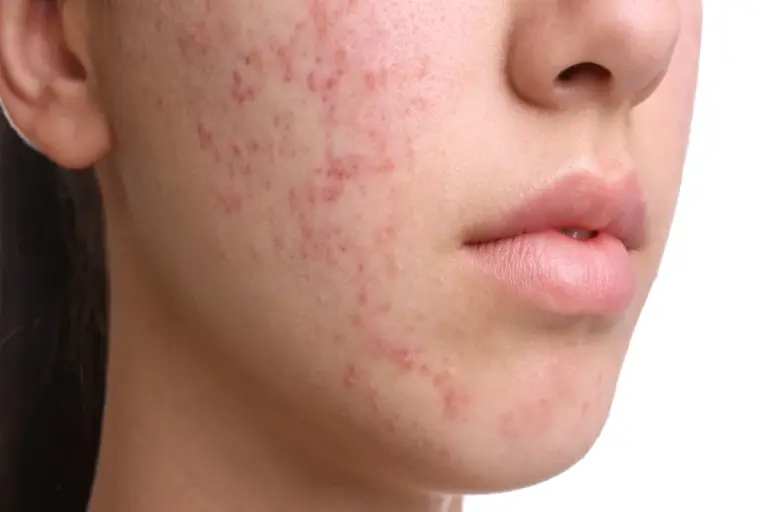
One of the most common forms is post-inflammatory hyperpigmentation. The type occurs following inflammation of the skin due to acne, eczematous rash, insect bites, burns, or minor injuries. After healing, the skin can leave the skin with flat dark spots which fade with time.
Another type of pigmentation is melasma. It usually occurs due to hormonal fluctuations and it is common during pregnancy or when the patient is taking hormonal drugs. Melasma normally presents itself on the cheeks, forehead, upper lip, and chin that have bigger spots of discolouration.
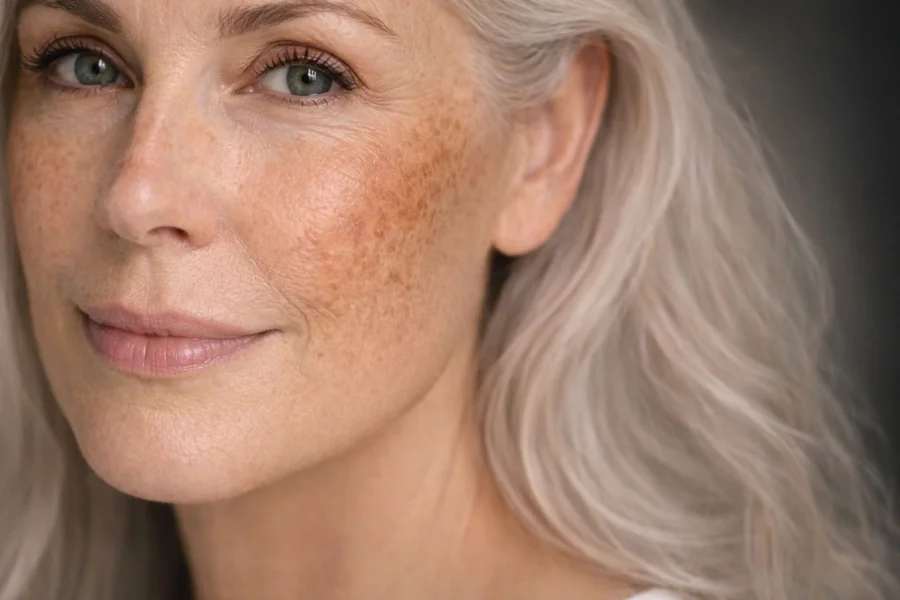
Sunspots or age spots or solar lentigines are spots that form due to years of constant exposure to the sun. They tend to occur on surfaces that are exposed to a lot of sun such as the face, shoulders, arms and the hands.
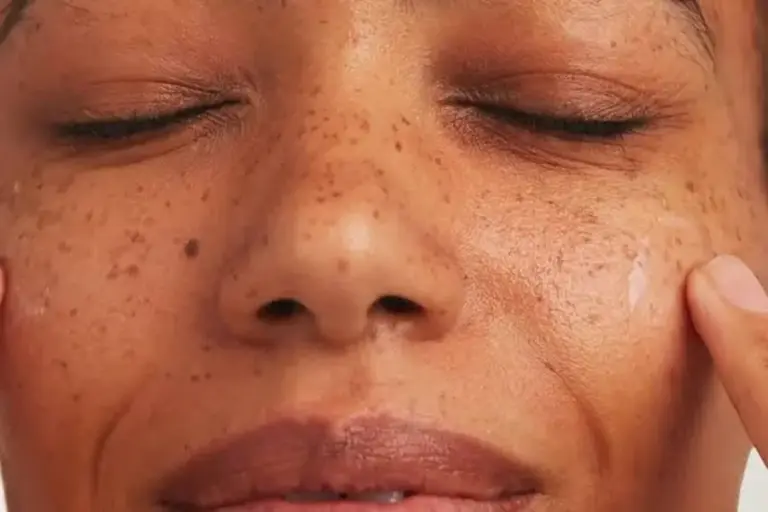
Another type of pigmentation, which is highly influenced by genetics, is freckles. When exposed to more sun, they tend to become dark and less sunlight, they turn light.
The understanding of the nature of pigmentation at your disposal can assist in identifying the best skincare regime and treatment solutions.
Common Causes That Trigger Pigmentation
Unexpectedly even skin tone may be caused by a few factors that are encountered in daily life.
Over exposure to the sun is one of the most common causes since the ultraviolet radiation induces melanin production. The existing pigmentation can darken and new spots may occur with time without proper protection against sun.
The importance is also high concerning hormonal changes. Melasma can be caused by pregnancy, birth contraceptives and hormonal imbalances among other factors.
Post-inflammatory hyperpigmentation could be triggered by inflammation due to acne breakout, skin trauma, an allergic reaction, or cosmetic surgery in the process of healing.
The aging process also alters the skin. The accumulation of sun exposure over the years and slower skin renewal often increases pigmentation in the later years.
Some drugs and health issues can also make people sensitive to the sun or affect the production of melanin which cause skin color changes.
Caring for Skin with Hyperpigmentation
It takes persistence and patience to control pigmentation since the change does not occur in one day but rather progressively.
One of the most significant aspects of pigmentation routine is daily sunscreen. Widespread sun protection is beneficial in that existing spots will not become darker but the development of new pigmentations is minimized.
Mild cleansing gets rid of dirt, excess oil and environmental pollutants without destroying skin barrier. After washing with an appropriate moisturizer it will keep the skin hydrated and will assist in healthy skin activity.
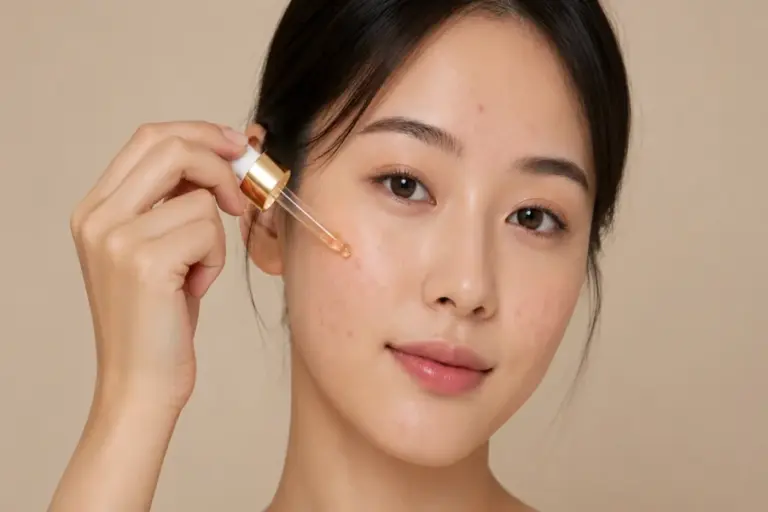
Patients may apply ingredients like vitamin C, niacinamide, azelaic acid or mild exfoliating acids in their skincare regimen and subsequently notice an increase in the evenness of their skin tones over time. These ingredients are to be incorporated over time especially when you have sensitive skin.
It is advisable not to pick acne, scratch the aggravated skin, and use hard scrubbing because such practices can aggravate the situation with ongoing inflammation and aggravated pigmentation.
An easy routine that is consistently used is usually more effective in the long run compared to using new skincare products every now and then.
Healthy Habits That Support Brighter Skin
To really take care of your skin, it is more than the products you put on.
Keeping your skin out of the excessive sunlight by wearing a sunscreen, avoiding sun exposure in sunlight or covering your skin with some type of protective garment will help keep your complexion a bit more even.
Having a balanced meal with fruits, vegetables, healthy fats and foods rich in antioxidants helps in maintaining the general skin health. Taking adequate water is also beneficial in ensuring that one is well-hydrated.
Exposure to stress and sleep deprivation help in the natural repair process of the skin. The habits do not necessarily eliminate pigmentation, but they provide more favorable conditions to your skin to refresh itself.
Consistent skincare and healthy lifestyle decisions offer the most promising basis to long-term changes in skin color.
Final Thought
Discover Your Type Of Pigmentation Different Types Of Hyperpigmentation Explained emphasizes that you should know the underlying causes of uneven skin tone, first, before deciding on a skincare regimen. Because the different pigmentation types arise due to different causes, by determining the cause, you can readily treat your skin better.
Your pigmentation can be the effect of acne, the sun, hormones, or aging; however, light skincare, day-to-day sun protection, and regular practices could facilitate healthier-looking skin in the long-term. Sometimes, time is required of you to notice improvements and a well-balanced schedule along with not overestimating your goals is a good way of getting that unmarred and radiant complexion.
FAQs
What are the main types of pigmentation?
The most common types include post-inflammatory hyperpigmentation, melasma, sunspots, and freckles. Each develops for different reasons and may require a different skincare approach.
Can hyperpigmentation disappear naturally?
Some forms of pigmentation gradually fade on their own, especially post-inflammatory hyperpigmentation. However, deeper pigmentation may take longer and often benefits from consistent skincare.
Does sunscreen help with pigmentation?
Yes. Daily sunscreen helps prevent existing pigmentation from becoming darker and reduces the risk of developing new dark spots.
Which skincare ingredients are commonly used for pigmentation?
Vitamin C, niacinamide, azelaic acid, and gentle exfoliating acids are commonly included in skincare routines designed to improve uneven skin tone.
Can acne cause pigmentation?
Yes. Acne often leads to post-inflammatory hyperpigmentation after the blemishes heal, particularly if the skin has been picked or irritated.
How long does it take to improve pigmentation?
The timeline varies depending on the type and severity of pigmentation. With consistent skincare and sun protection, noticeable improvements often take several weeks or months.