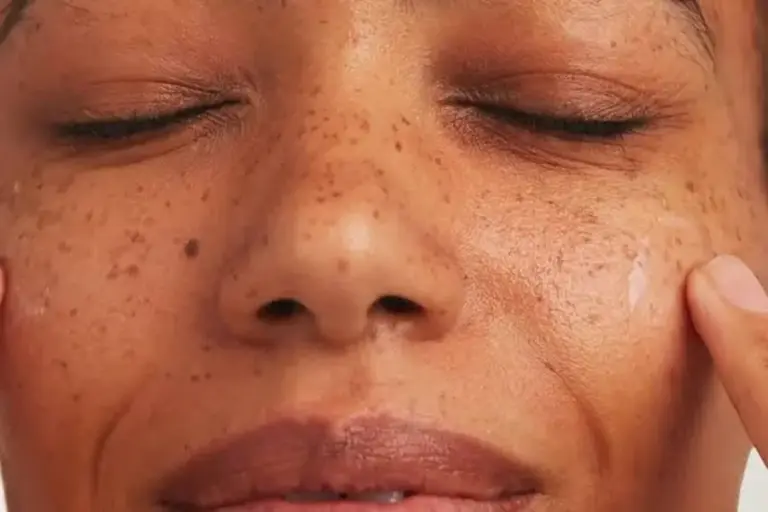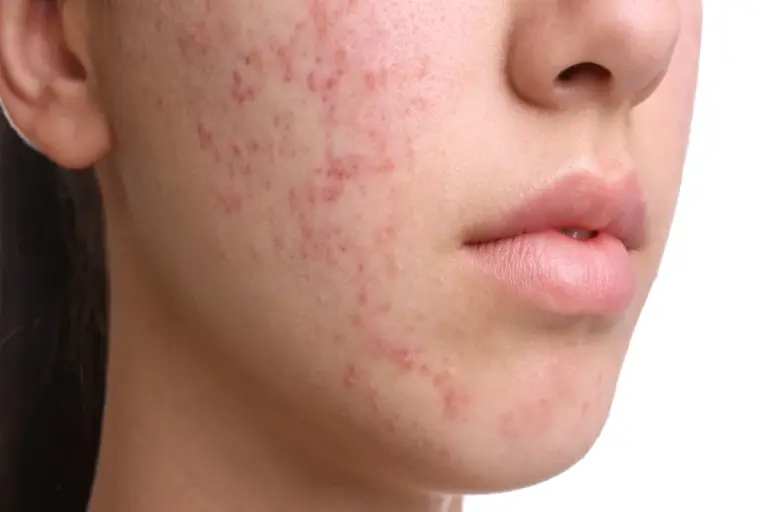

One of the most prevalent skincare issues is dark spots that are left behind after acne. There are numerous individuals in search of the explanation of appearance of black spots on face despite pimples being healed. Such marks may last weeks, months and the skin may appear uneven, even after acne has disappeared. The positive aspect of it all is that an easy and regular skincare routine can slowly minimise them as it also assists in not creating any new marks.
The excess melanin may be produced in the healing process when the skin is affected by acne, which leads to inflammation. This causes post-inflammatory hyperpigmentation that come in the form of brown or black spots. These spots, unlike the actual acne, are not a breakout that needs to be addressed, yet they must be taken care of and given time to recede.
Why Dark Spots Develop After Acne
Acne causes an inflammatory reaction in the skin. When the skin starts healing, it may synthesize additional melanin, particularly in case of serious inflammation or pimple squeezing or picking. This additional color gives the dark spots one sees following a break out.
The exposure to the sun may make these marks dark and more conspicuous. Lack of sun protection means that the skin will keep on producing melanin and therefore recovery will be even delayed.
The type of skin is also a factor. Others have a natural increase of melanin compared with others and thus succumb to pigmentation following acne. Also, hormonal alterations, frequent flare-ups, and rough skincare items can predispose discoloration.
Knowing the causes of black spots on face can make you select a regimen that will be more aimed at healing the skin and not only treating acne.
A Simple Routine to Improve Dark Spots
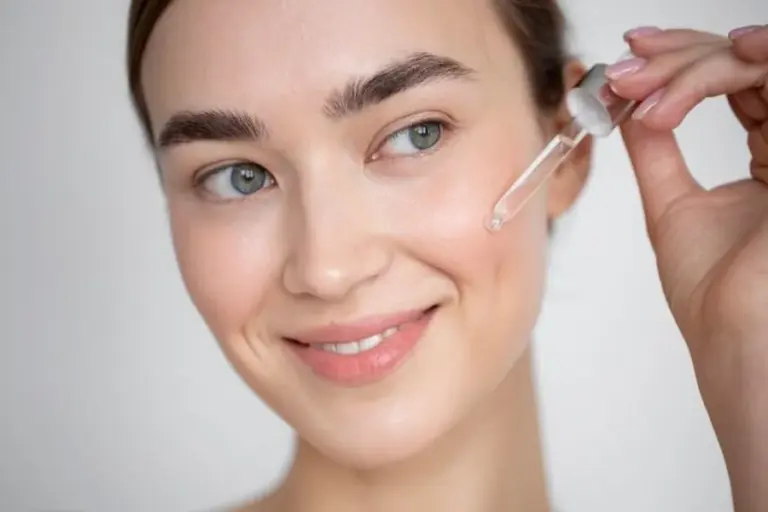
The less complicated skincare routine often works better than having numerous products at the same time. Light washing gets rid of dirt, excess oil and impurities without degrading the skin barrier. Following cleansing, a serum containing brightening agents, like Vitamin C, niacinamide, or alpha arbutin, can be applied to even the uneven skin tone over time.
Another step to do is moisturizing since a moist skin will heal better. Oily skin also gets the benefits of a light-weight moisturizer that helps the skin barrier and decrease moisture loss.
Sunscreen should always be the last thing in the morning. Wearing UV every day makes dark spots will not become darker, and the risk of new pigmentation will be reduced. Sunscreen is very significant even during rainy days in ensuring that the complexion is even.
It is best to keep your routine basic so that your skin can become accustomed to the active ingredients without becoming irritated. Regularity poses far more importance than treating with various treatments simultaneously.
Healthy Habits That Support Clearer Skin
The influence of habits upon the speed of the disappearance of dark spots daily is considerable. Probably the most significant thing that you can do is not to pick or squeeze pimples. This adds more to inflammation and in many cases causes even deeper pigmentation requiring much time to heal.
Facing the sun twice a day with a mild cleanser will assist in the removal of oil, sweat, impurities in the environment without taking away the natural moisture of the skin. Healthier-looking skin is also aided by drinking plenty of water and having a balanced diet that is high in vitamins and antioxidants.
Enough sleep allows your skin to repair itself at night, and dealing with stress can help eliminate acne flare-ups that are able to form new dark spots. Tiny lifestyle changes can be used with skincare products to yield more positive long-term outcomes.
Common Mistakes That Slow the Fading Process
A lot of individuals end up getting frustrated due to the fact that they anticipate dark spots to fade away very fast. Skin renewal is a progressive process and as such, pigmentation tends to disappear in a few weeks or months but not in days.
The next big error is over using harsh scrubs or the use of strong exfoliants. Over exfoliation can cause irritation to the skin, loss of the protective barrier and more challenging pigmentation to correct.
The other significant cause of dark spots is ignoring sunscreen. When exposed to ultraviolet, the production of melanin is triggered further resulting in discoloration, which becomes more pronounced.
It is also not helpful to switch the skincare products frequently as it will not allow the ingredients to do their job. Taking time to do your regular routine can usually yield results better than always trying something new.
When Professional Advice May Be Helpful
Despite the fact that much of the acne dark spots respond to home skincare, there are instances which require a professional assessment. In case your pigmentation is still getting worse, no improvement in several months or in addition to the changes, unusual skin alterations, it is advisable to discuss it with a dermatologist.
A dermatologist will be able to tell the marks are a result of post-inflammatory hyperpigmentation, melasma, or any other skin disorder. Depending on your skin type and severity of the pigmentation, they may prescribe prescription creams, chemical peels, laser treatments or other procedures.
The advice of professionals is particularly useful in cases when the use of over-the-counter products fails to bring any evident improvement even after regular testing.
Final Thought
The first thing to do before you control black spots on face is to learn the reasons behind their occurrence after acne. An easy skincare plan that involves tender cleansing, a blend of brightening products, everyday moisturizers, and safe sunscreen usage can slowly enhance unequal skin color. It is necessary to be patient since dark spots do not change quickly though regular attention can lead to evident changes in the long term. With healthy habits of skin care, you can contribute to a more even, bright and healthier appearing complexion by avoiding needless irritation and maintaining a healthy skin care routine.
FAQs
Why do black spots remain after acne heals?
Black spots usually develop because the skin produces extra melanin during the healing process after inflammation caused by acne.
How long do acne dark spots take to fade?
The timeline varies depending on the severity of the pigmentation and your skin type. Many dark spots improve gradually over several weeks or months with consistent skincare.
Can sunscreen help reduce dark spots?
Yes. Daily sunscreen prevents existing dark spots from becoming darker and helps reduce the risk of developing new pigmentation.
Should I squeeze pimples to make them heal faster?
No. Picking or squeezing pimples increases inflammation and raises the likelihood of developing long-lasting dark spots.
Can Vitamin C help improve acne marks?
Vitamin C is widely used in skincare because it supports brighter skin and may gradually reduce the appearance of post-acne pigmentation.
When should I visit a dermatologist for dark spots?
If dark spots do not improve after several months of consistent skincare, continue to worsen, or appear unusual, it is best to seek professional advice from a dermatologist.