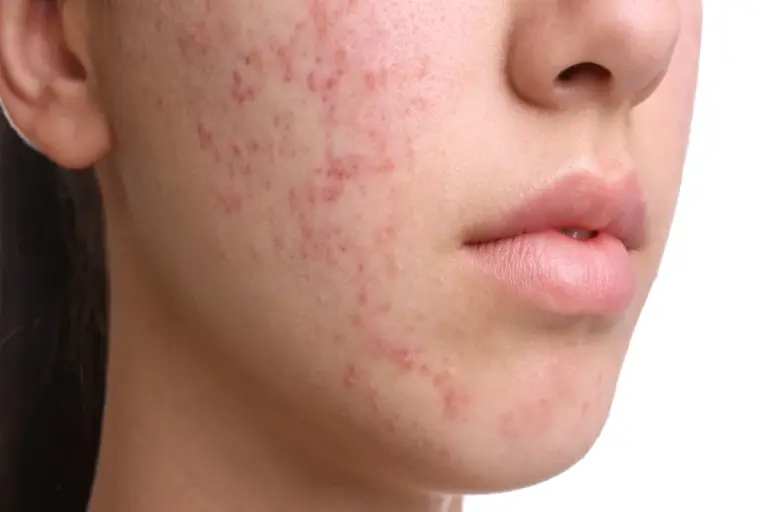
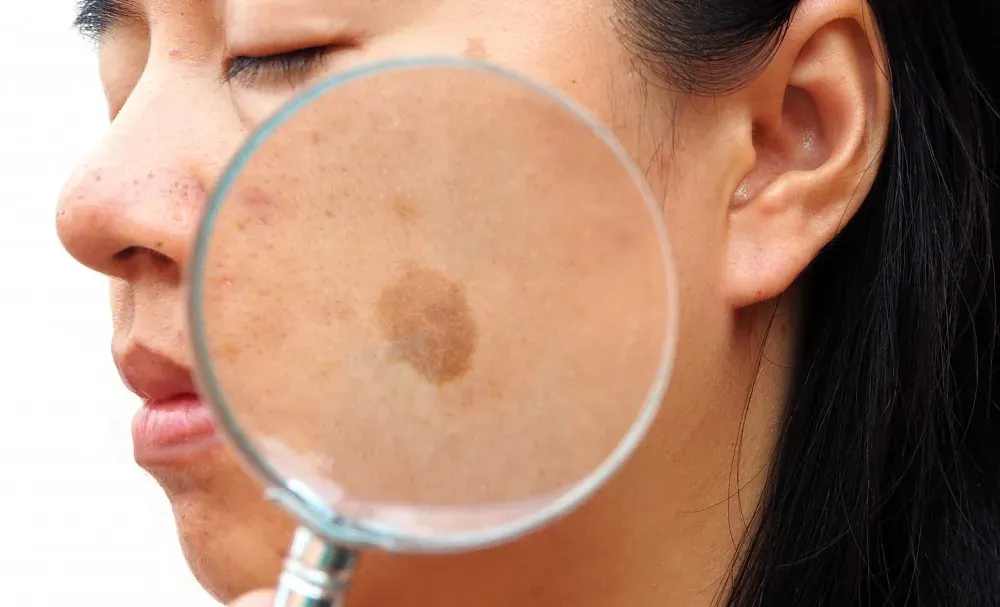
Melasma Dark Patches On Your Skin 1 is a common skin concern that causes brown, gray, or tan patches to appear on the face and sometimes other parts of the body. These patches usually develop slowly and are more noticeable on areas that receive regular sun exposure. While melasma is not harmful or contagious, it can affect confidence and make people feel self-conscious about their appearance. The good news is that with the right skincare routine, healthy habits, and medical treatments, many people can reduce the appearance of melasma and prevent it from becoming worse. Understanding its causes and knowing how to care for your skin are the first steps toward achieving a more even complexion.
What Is Melasma and Why Does It Happen?
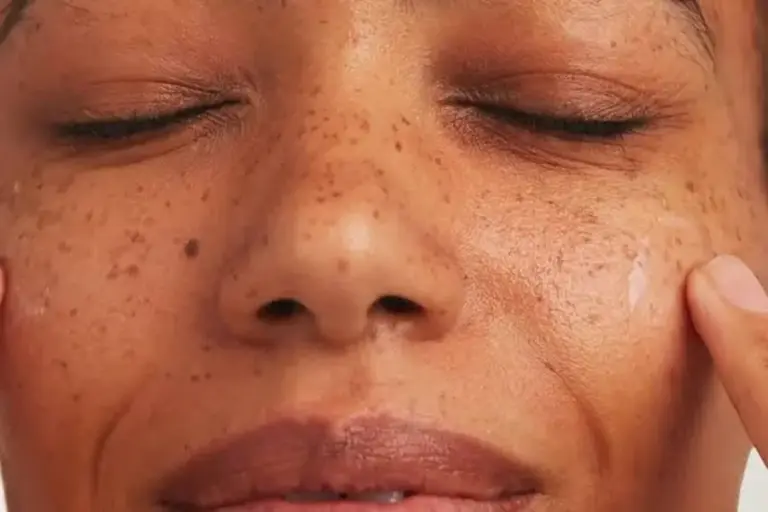
Melasma is a form of hyperpigmentation that occurs when the skin produces too much melanin, the pigment responsible for skin color. This excess melanin forms uneven patches, most commonly on the cheeks, forehead, nose, chin, and upper lip.
Several factors can trigger melasma. One of the biggest causes is sun exposure. Ultraviolet (UV) rays stimulate melanocytes, the cells that produce melanin, making existing patches darker and encouraging new ones to form.
Hormonal changes also play a major role. Many women experience melasma during pregnancy, which is why it is sometimes called the “mask of pregnancy.” Birth control pills and hormone replacement therapy can also increase the risk.
Genetics may also influence whether someone develops melasma. If family members have experienced the condition, you may be more likely to develop it as well.
Common Symptoms and Risk Factors
The main symptom of melasma is flat patches of darker skin. These patches usually have clear edges and appear symmetrically on both sides of the face.
People with medium to darker skin tones are more likely to develop melasma because their skin naturally contains more active pigment-producing cells. Women are affected far more often than men, although men can also develop the condition.
Melasma does not cause pain, itching, or swelling. However, its appearance can become more noticeable during the summer months when UV exposure is higher.
Effective Treatments for Melasma
Treating melasma requires patience because pigmentation often fades gradually. The best treatment depends on the severity of the condition and its underlying cause.
Topical creams are usually the first option. Dermatologists may recommend ingredients such as hydroquinone, azelaic acid, kojic acid, niacinamide, tranexamic acid, or retinoids. These ingredients help reduce excess pigment production and improve overall skin tone.
Chemical peels can remove damaged surface skin and encourage new cell growth. Mild to moderate peels performed by qualified professionals may improve stubborn pigmentation over time.
Laser treatments are another option for some people. However, lasers should be chosen carefully because certain types can worsen pigmentation, especially in darker skin tones.
Microneedling combined with brightening ingredients has also become a popular treatment for improving skin texture while reducing pigmentation.
Even with professional treatments, sunscreen remains the most important part of any melasma treatment plan. Without daily sun protection, pigmentation often returns.
Daily Skincare Routine for Better Results
A gentle skincare routine can support treatment and help prevent irritation that may worsen pigmentation.
Start each morning with a mild cleanser that removes oil and dirt without stripping the skin.
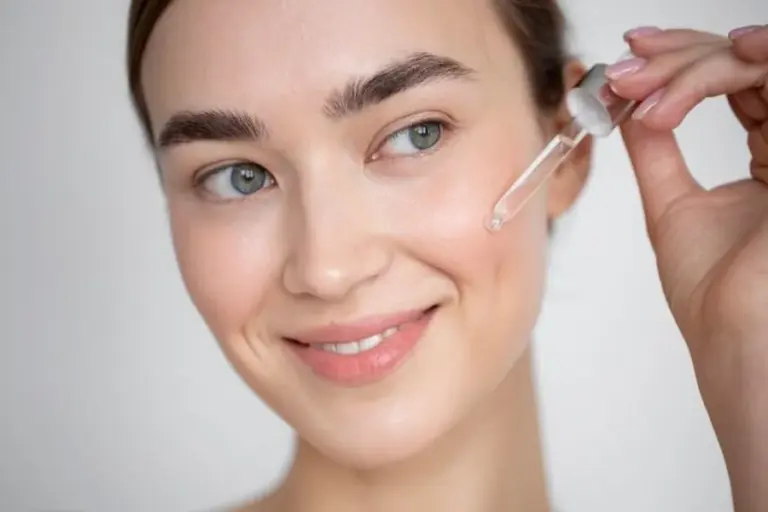
Follow with an antioxidant serum containing vitamin C to protect the skin from environmental damage while brightening the complexion.
Apply a moisturizer that keeps the skin barrier healthy. Ingredients such as ceramides, hyaluronic acid, and glycerin help maintain hydration.
Finish every morning with a broad-spectrum sunscreen of SPF 30 or higher. Mineral sunscreens containing zinc oxide or titanium dioxide often provide excellent protection for sensitive skin.
At night, cleanse your skin thoroughly and apply any prescribed treatment products before using a moisturizer.
Avoid harsh scrubs and aggressive exfoliation because they can irritate the skin and trigger more pigmentation.
Lifestyle Tips to Prevent Melasma from Getting Worse
Lifestyle habits can make a significant difference in managing melasma.
Limit direct sun exposure whenever possible. Wearing wide-brimmed hats and sunglasses provides extra protection beyond sunscreen.
Reapply sunscreen every two hours when spending time outdoors, especially during midday.
Avoid excessive heat from saunas or hot yoga if you notice that heat worsens your pigmentation.
Choose gentle skincare products that support the skin barrier instead of products that cause redness or irritation.
A healthy diet rich in fruits, vegetables, healthy fats, and antioxidants may support overall skin health, although diet alone cannot cure melasma.
Managing stress and maintaining good sleep habits may also contribute to healthier skin, as overall wellness affects skin function.
Final Thought
Melasma can be frustrating, but it is a manageable skin condition with the right combination of treatment and prevention. Consistent sun protection, gentle skincare, and advice from a qualified dermatologist can make a noticeable difference over time. Results rarely happen overnight, so patience and consistency are essential. Instead of searching for quick fixes, focus on building a routine that protects your skin every day. With proper care, many people successfully reduce dark patches and maintain a more even, healthy-looking complexion.
FAQs
- What causes melasma?
Melasma is mainly caused by sun exposure, hormonal changes, genetics, and excess melanin production. - Can melasma go away on its own?
Sometimes it fades after pregnancy or stopping hormonal medication, but many cases require treatment. - Is sunscreen necessary for melasma?
Yes, daily sunscreen is one of the most effective ways to prevent melasma from getting darker. - Which ingredients help reduce melasma?
Hydroquinone, azelaic acid, niacinamide, vitamin C, kojic acid, and retinoids are commonly used. - Can men develop melasma?
Yes, although it is much more common in women, men can also experience melasma. - Are home remedies effective for melasma?
Some natural remedies may provide mild benefits, but dermatologist-approved treatments are generally more effective and safer.