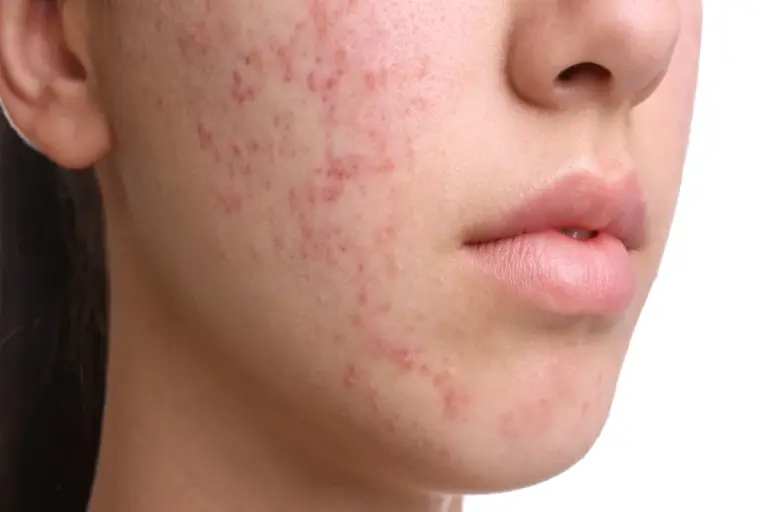
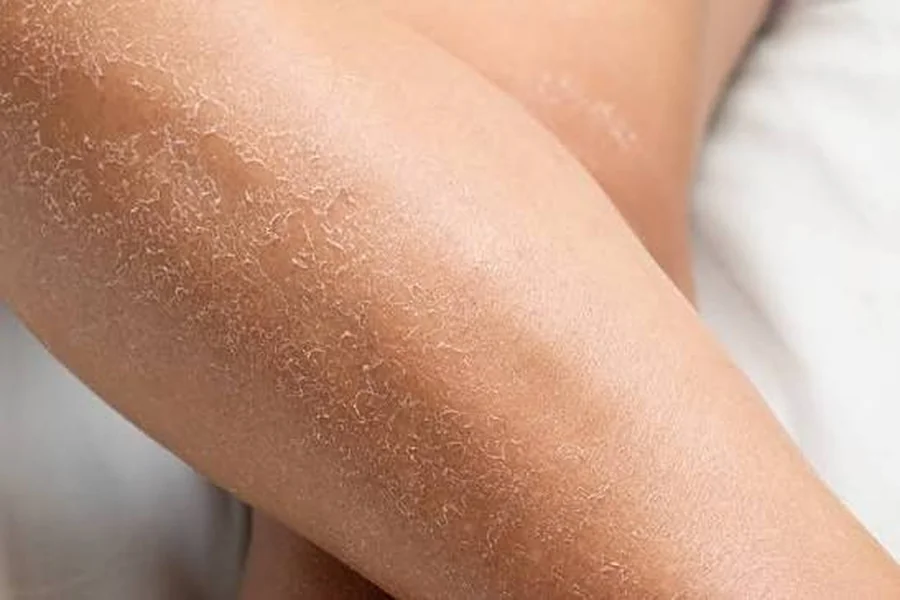
Dry Flaky Skin may render daily life uncomfortable. The tightness, rough spots, and visible flakes can oftentimes impact confidences and complicate skincare. Meanwhile, other individuals also have issues with body acne, which produces the challenging mix of dry but blemish-prone skin. However, although these issues might be considered dissimilar, they frequently have some common triggers, including a compromised skin barrier, skin care products that are harsh, and environmental issues.
The good part is that it can be possible to enhance both the dryness and the acne on the body depending on a gentle and consistent skincare routine. The initial step to developing habits that can help you have healthier, smoother, and more comfortable skin is to understand the needs of your skin.
What Causes Dry Flaky Skin?
Dry skin is a condition that is caused by the loss of excessive moisture by the outermost layer of the skin. The skin barrier is weakened without adequate hydration and makes it easier to lose water. This tends to make it rough, flaking, itching and tight.
Routines are also significant. Wearing products that dehydrate the natural oils in the skin may result in skin being parched despite applying moisturizer after the use.
The replacement of harsh cleansers with gentler and hydrating ones can be noticed in the long-run.
Understanding Body Acne
Some of the areas that are affected by body acne include the back, chest, shoulders, and upper arms. Similar to facial acne, it is an affliction that results once pores are filled up with oil, dead skin cells and bacteria.
Breakouts can be caused by sweat, friction of clothes, hormones, and proper cleansing of the body after exercise.
Body acne usually occurs in an individual with oily skin, but it can also occur in persons with dry skin. Drying acne treatments can also take away excess moisture in certain cases making the skin barrier weakened and yet so many breakouts.
To address both issues, the right balance between acnes treatment and moisturization is crucial.
Why Hydration Matters Even for Acne-Prone Skin
Most people think that moisturizing will only increase the acne, yet healthy hydration will help the skin look clearer.
Dehydration of the skin can lead to production of extra oil to replace its moisture. This additional oil may result in blocked pores and heighten the risk of breakouts.
Non-comedogenic lightweight moisturizer is used to sustain the skin barrier and not leave a heavy or greasy feel behind. Moist skin also heals better once blemished and is more comfortable during the day.
In case though you are applying the products that are intended to be applied to the body acne it is always important to put a moisturizer that will help the skin not be overly dry and at the same time maintain the overall health of the skin.
Well-balanced water is helpful to almost any type of skin.
Building a Skincare Routine for Dry Flaky Skin and Body Acne
One product routine can be more effective than having numerous products simultaneously.
Begin with a light body cleaner that cleans the skin of the sweat, dirt and excess oil without removing the natural moisture of the skin. Post workout cleansing is particularly essential in avoiding clogged pores.
In case you take any acne medication, which has an ingredient of salicylic acid or benzoyl peroxide, you should apply it as per the product labeling. The stronger treatments should not be more frequently used than is advised as this can add irritation.
Apply a moisturizer that is acne free and prone. Find formulas that are hydrating and yet lightweight and non-comedogenic.
Exfoliation can as well be used to improve rough skin as well as avoiding clogged pores, although this should be done subtly. Excessive exfoliation can exacerbate skin dryness and skin barrier.
And last and not least, don’t forget to cover the exposed skin with sunscreen on a daily basis. The UV radiation may promote pigmentation following acne healing and premature aging of the skin.
Daily Habits That Support Healthier Skin
The skincare products are not the only thing that influences healthy skin. Habits in your daily routine also play a role in your skin.
Consume sufficient water to aid general hydration. Although water is not a cure to dry skin, being a hydrated body helps your natural processes.
Wear clothes that breathe well particularly during physical activity to minimize sweats and friction that may cause body acne.
Take a shower immediately after sweating to get the bacteria, oil and sweat off the skin.
Do not scratch dry areas or squeeze pimples, this can cause more irritation and can lead to more scarring.
Normal skin functioning is also helped in the long run with a balanced diet that is full of fruits, vegetables, healthy fats, and lean proteins.
Even minor lifestyle changes can be a complement to a regular skincare routine and can help to achieve healthier-looking skin.
Common Mistakes to Avoid
Numerous individuals end up complicating their skin issues by adhering to unnecessarily harsh regimes.
Roughness can not be improved by using harsh scrubs every day, but they may affect the skin barrier. Most people should only have gentle exfoliation once or twice a week.
Very hot showers may be very relaxing, but it can strip the skin of its natural oils and make it drier.
The combination of many acne treatments at once overwhelms the skin causing it to turn red, peel and deteriorate.
Another common error is to skip moisturizer due to body acnes. When you are properly hydrated, you have a healthy skin barrier and could also have a better skin on the whole.
Lastly, when individuals anticipate overnight improvements they tend to change products too fast. A key success of skincare is consistency.
Read More: How to Stay Healthy While Working From Home
Final Thought
Dry Flaky Skin and body acne sometimes appear to be two opposing issues, yet balancing between them can bring a great change. Light cleansing, frequent moisturizing, specific acne treatment and healthy habitual practice are all in collaboration to ensure smoother and healthier skin expression.
Instead of using harsh products or complex routines, make it a habit and select products of skincare that fit your skin type. These basic practices can enhance dryness, breakouts, and make your skin feel comfortable daily in the long run.
Patience, correct care and practices that safeguard your skin barrier rather than harm it are all a building block to healthy skin.
FAQs
1. Can dry flaky skin and body acne occur together?
Yes. Many people experience both conditions, especially when acne treatments cause excessive dryness or the skin barrier becomes weakened.
2. Should I moisturize if I have body acne?
Yes. Using a lightweight, non-comedogenic moisturizer helps maintain hydration without clogging pores.
3. What causes body acne?
Body acne is commonly caused by clogged pores, excess oil, sweat, bacteria, hormonal changes, and friction from clothing.
4. How often should I exfoliate dry flaky skin?
Gentle exfoliation once or twice a week is usually enough to remove dead skin cells without causing additional irritation.
5. Does hot water make dry skin worse?
Yes. Very hot showers can strip away natural oils and contribute to increased dryness and flaking.
6. How long does it take to improve dry skin and body acne?
Results vary depending on your skin type and routine, but consistent skincare habits often show noticeable improvements within several weeks.